 Get tools, tips, strategies, and resources for your classroom, school, and district at our annual summer professional development event. There will be many MTSS-related sessions this year. Free parking is available as well as dorm rooms for $60 per night, and college credit from UM and MSU.
Hurry!
Online registration for sessions and on-campus housing closes June 5.
Visit the OPI Summer Institute webpage (or see below) for the schedule and registration link.
MTSS-related session include:
- MTSS Tier 1 Overview: Systems, Data, and Practices
- Secondary MTSS
- MTSS Intervention Pathways
- Leveraging Implementation Science and Data-based Decision-Making for Systems Change: A Professional Learning Model
- Leveraging the Early Identification System (EIS) to Strengthen Tiered Mental Health and Behavior Supports in Montana Schools
- Implementing Systemic Interventions (A Guide for Secondary School Teams)
- CPS-flavored BIPs: Ross Greene’s Plan B Collaborative Discussions as an Alternate Component of a Behavior Intervention Plan
- Cultivating Well Being Across the MTSS Tiers
- Using MTSS to Leverage the Graduate Profile
- High Ceilings, Solid Foundations: Reimagining MTSS to Challenge and Support High-Ability Learners
- Introduction to Data-Based Individualization (DBI)
- Designing and Delivering Effective Specially Designed Instruction with Data-Based Individualization
We are pleased to announce the selection of new recipients for the State Personnel Development Grant focusing on Integrated MTSS implementation.
- Cayuse Prairie
- West Yellowstone
- Somers/Lakeside
- Harlem
- Helena Flats
- Centerville
- Marion
- Stevensville
CSPD Region III districts have been implementing MTSS in the past two years and are now joining other grant schools as part of the SPDG I-MTSS project.
- Canyon Creek
- Roy
- Blue Creek
- Fromburg
- Huntley Project
- Broadview
- Roundup
|
With the OPI data modernization initiative, Montana districts will have access to quality MTSS data management tools through PowerSchool. These MTSS tools will be available to every Montana school as a direct connector, no matter what information system you currently use. Watch for upcoming announcements on the rollout. |
|
 |
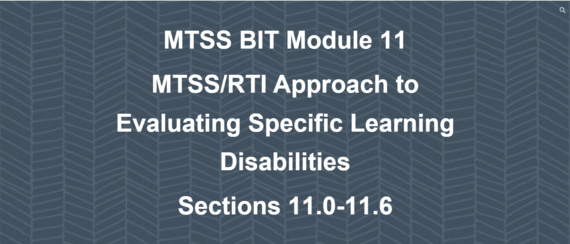
Did you know that the OPI MTSS website has a online module about the RtI approach to evaluating specific learning disabilities? (Commonly called RtI to SLD)
These are some features of the module:
- Self-paced, asynchronous delivery model
- Geared toward teams but can be done individually
- Video with slides and narration
- Printable and fillable documents and resources
- References to the research and Montana and IDEA law/guidance
- Free to anyone on the OPI MTSS website
Visit the OPI MTSS website and see if this module could help support your MTSS or Special Education teams. (Located under the Building Implementation Team section)
 |
|
Want to create MTSS pathways using learning standards? The National Center for Intensive intervention (NCII) has resources to illustrate how college- and career-ready standards can be addressed across levels of a multi-tiered system of supports (MTSS) in reading and mathematics. They provide examples of how to apply standards relevant instruction across core instruction (Tier 1), secondary intervention (Tier 2), intensive intervention (Tier 3) and to support students with significant cognitive challenges. |

Strengthen your system with resources from the PROGRESS Center. To support students with disabilities’ progress in the general education curriculum, schools may use systematic frameworks and schoolwide approaches to identify and address student needs across a continuum of evidence-based supports driven by data (e.g., MTSS, PBIS). The PROGRESS Center has free webinars, videos, modules, and other information to help you improve services through a tiered approach.
|
The OPI is committed to providing reasonable accommodations to people with disabilities. If you need a reasonable accommodation, require an alternate format, or have questions concerning accessibility, contact the OPI ADA Coordinator, 406-444-3161, opiada@mt.gov, Relay Service: 711.
|