|
RETURN OF THE SLIMY SCULPIN
Project aims to augment species’ population
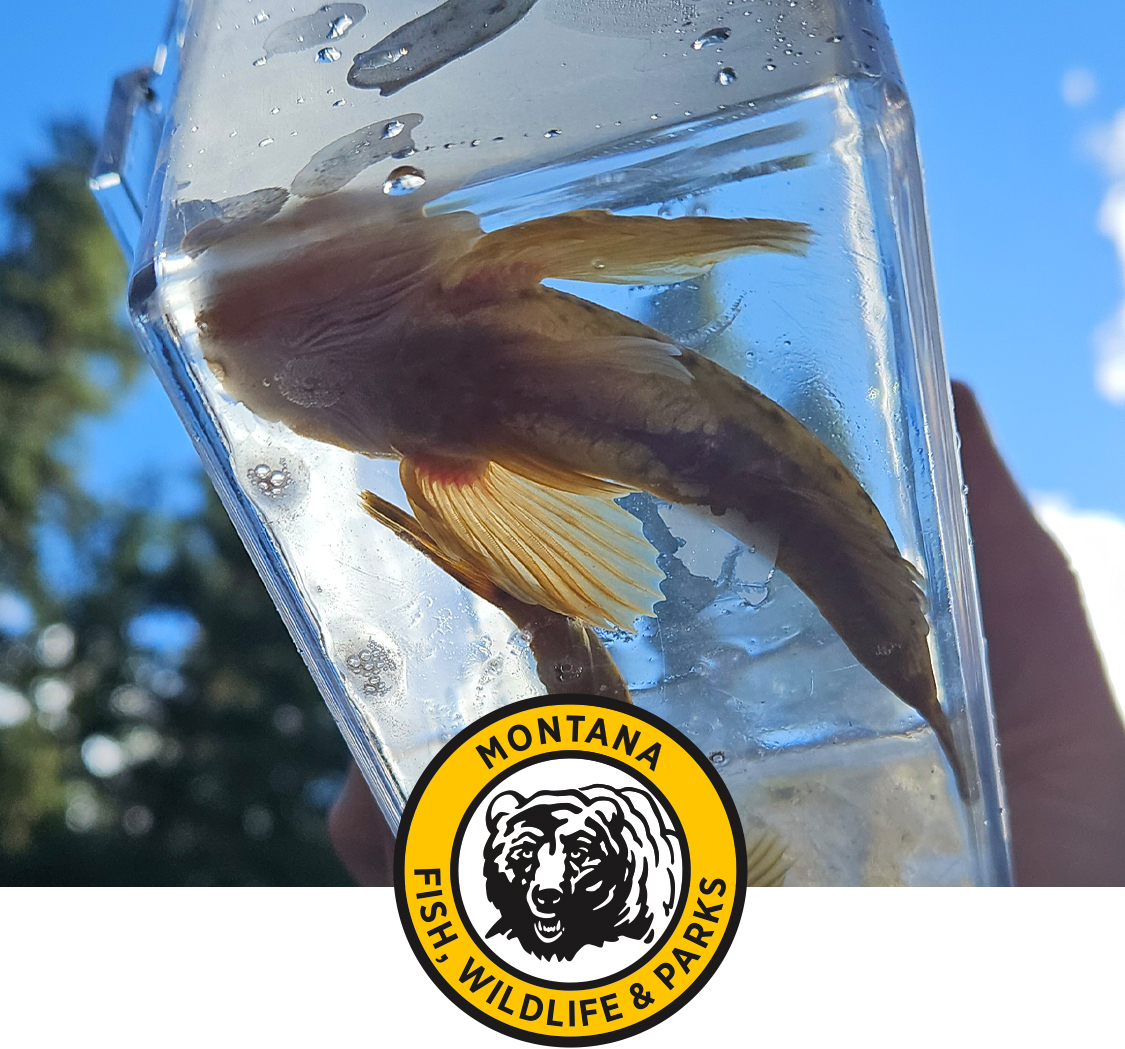
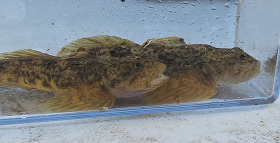
Columbia slimy sculpin are once again swimming in the Bitterroot Valley's Sleeping Child Creek.
This month, a FWP fisheries crew (with assistance from staff, students and volunteers from Salish Kootenai College, Discover Bitterroot National Forest and the University of Montana) moved about 200 Columbia slimy sculpin from the Bitterroot's Skalkaho Creek drainage into the upper reaches of nearby Sleeping Child Creek.
|
|
|
|
FILLING THE GAP
Fishing access site on BLM land near Terry proposed to enhance lower Yellowstone River access
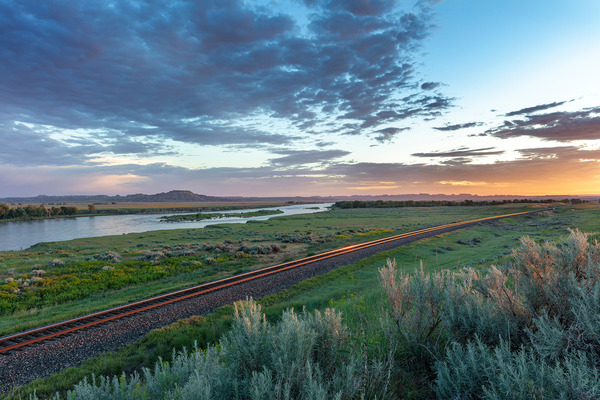
Continuing efforts to secure more public access for recreation along the lower Yellowstone River, Montana Fish, Wildlife & Parks is proposing to develop a fishing access site on Bureau of Land Management property along the river just downstream of Terry.
BLM has opened a 15-day public comment period on the proposal that will end on Nov. 9.
|
|
WATCH: Cutthroat Cowboy: Fishing Opportunity at a High Mountain Lake
|
|
FWP accepting open water fishing contest applications
FWP is accepting open water fishing contest applications for the 2027 season. Participants must comply with state fishing regulations, including daily and possession limits.
|
|
|
FWP seeks high school student for position on Future Fisheries review panel
FWP Future Fisheries Citizen Review Panel is seeking a current high school student to fill a two-year term.
FWP’s Future Fisheries Improvement Program (FFIP) grants approximately $1 million annually for projects to improve and restore Montana’s wild fish habitats.
|
|
|
$400,000 available in Future Fisheries Improvement Program grants
Application deadline is November 15
The deadline for Montana Fish, Wildlife & Parks’ Future Fisheries Improvement Program (FFIP) grants is Nov. 15. Approximately $400,000 is available for the winter grant cycle.
|
|
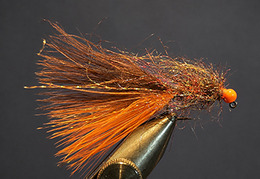
The Halloween (modified)
Late into the fall, trout are more active as they look to bulk up for the winter. This is an attractor fly that has some of the hallmarks of other very successful leech patterns. The original Halloween pattern was more of a wooly bugger fly. This is a modification on that classic.
Learn how to tie this fly yourself:
|
|
Go fish, go!
This story is from the September-October 2020 issue of Montana Outdoors
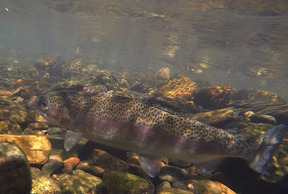
The next time you catch a trout, consider how far it might have swum and how many obstacles it had to overcome to get there.
FWP biologists documented a 21-inch rainbow trout migrating more than 150 miles. The 3.5-pound fish was first captured in the Thompson Falls fish ladder, part of a NorthWestern Energy hydropower facility on the Clark Fork River. It was fitted with a small ID marker and released upstream of the Thompson Falls Dam.
A month later, FWP biologists working on Johnson Creek, a tributary of the Blackfoot River, found the fish. It likely hatched in the creek years earlier and had returned to its natal waters to spawn, as rainbow trout do.
“This is the first documentation of a fish moving from the lower Clark Fork all the way up into the Blackfoot River system,” said Jon Hanson, a NorthWestern fisheries biologist.
For decades, trout in this river system faced myriad manmade obstacles to migration. Many barriers have been removed in recent years, though, and now fish are free to freely swim up- and downstream.
|
|
|
Montana Fish, Wildlife & Parks
1420 East Sixth Avenue, P.O. Box 200701
Helena, MT 59620-0701
|
|
|
|