MDP Highlights and Updates
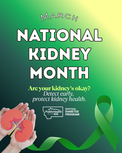
March is National Kidney Month
March is National Kidney Month, a time to bring awareness to the importance of kidney health. Kidney disease affects millions and often goes unnoticed until it’s serious. This March, let’s raise awareness and take action:
Get screened if you have risk factors like diabetes or high blood pressure. Stay active, eat healthy, drink plenty of water and share tips and resources.
Early detection and healthy habits can save lives—spread the word and encourage friends and family to check their kidney health!
|
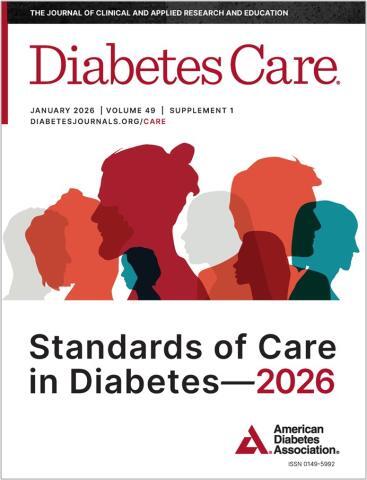
The 2026 ADA Standards of Care in Diabetes Guidelines are Now Available
The American Diabetes Association has released its Standards of Care in Diabetes—2026, featuring important updates in technology, medications, and clinical management. Highlights include broader access to CGM and automated insulin delivery, updated guidance on obesity medications, new recommendations for diabetes care during cancer treatment, and revised blood pressure targets for high‑risk groups. More details are available from the Standards of Care in Diabetes | ADA Clinical Guidelines
Get the ADA Standards of Care App - App Store or ADA Standards of Care - Apps on Google Play for up-to-date recommendations and interactive tables and algorithms.
 Diabetes Care and Education

Building Strength All Year Long
January often brings a sense of renewal, but this month isn’t about quick fixes or short‑term promises to ‘take better care of yourself.’ It’s about celebrating the steady, sustainable habits that support your health every day, because that’s where real progress happens.
Your Routine Matters
Small, consistent actions—checking blood glucose, preparing healthy meals, taking your medications consistently, staying active in ways you enjoy—create a foundation that supports your health and well‑being throughout the year. These aren’t grand gestures; they’re the quiet wins that add up.
Growing Your Support Network
Diabetes self-management is easier when you’re not doing it alone. Whether it’s connecting with your care team, joining a support group, or leaning on friends and family, having people in your corner makes the journey lighter. Community isn’t just helpful - it’s powerful.
Focus on What’s Working
January is a great time to notice the strategies that already help you feel your best. Maybe it’s a favorite breakfast that gives you energy, a walking route you love, or a digital tool that simplifies tracking. Recognizing what supports you helps you build on it.
Looking Ahead with Confidence
This year isn’t about starting over - it’s about moving forward with strength, knowledge, and support. Every day offers a chance to care for yourself in meaningful ways, and you don’t have to make huge changes all at once. It’s the small, buildable health choices that add up over time and help you to be confident in caring for your diabetes throughout the year.
|
Diabetes in the News

Gestational Diabetes on the Rise: What You Should Know
A recent study published in JAMA Internal Medicine analyzed U.S. trends in gestational diabetes (GD) from 2016 to 2024, including the COVID-19 pandemic years. The findings show that GD rates have steadily risen, now affecting a significant portion of pregnancies. The study also revealed disparities among racial and ethnic groups, with some populations experiencing much higher rates than others. Researchers suggest that changes in lifestyle, access to care, and pandemic-related factors may have contributed to these patterns.
Gestational diabetes can lead to complications during pregnancy and delivery, and it increases long-term risks for both mother and child, including increasing the risk of developing type 2 diabetes. Learn more about this current research buy visiting JAMA Internal Medicine – Improving Health and Health Care
Managing Chronic Kidney Disease in the Winter Months
Cold weather can increase health risks for people with kidney disease, as it can raise blood pressure and increase the chances of heart problems, strokes, and acute kidney injury. Those with chronic kidney disease, on dialysis, or post-transplant are especially vulnerable because they often feel colder and are more prone to infections.
To stay well when living with chronic kidney disease during colder months, it’s important to keep warm by maintaining indoor temperatures and wearing layers. Stay hydrated according to fluid restriction and keeping up with vaccinations like flu, pneumococcal, and Covid-19 are also essential. Practical steps such as reducing heat loss at home, stocking up on medicines, eating well, and seeking support for mental health and energy costs can help kidney patients stay safe and healthy during winter. For more information on how to manage chronic kidney disease in the colder months visit Keeping warm and well in cold weather: a guide for kidney patients | Kidney Care UK.
|
Diabetes Prevention
Diabetes Prevention is Kidney Protection
Prediabetes and chronic kidney disease (CKD) are closely connected. Taking steps to prevent diabetes is one of the best ways to protect your kidneys. According to the National Kidney Foundation, many people with prediabetes already have early signs of kidney damage—and may not know it. In fact, one study found that more than one-third of people with prediabetes showed markers of kidney disease, and some were even in advanced stages of CKD. Prediabetes? What does it mean for your kidneys? | National Kidney Foundation
Both prediabetes and CKD often develop without symptoms. That’s why screening is critical. Ask your healthcare provider about tests for blood sugar (A1C), kidney function (eGFR), and urine albumin. Screening for Chronic Kidney Disease | Chronic Kidney Disease | CDC
Lifestyle changes can make a big difference for prevention:
-
Eat a balanced diet rich in fruits, vegetables, and whole grains.
-
Stay active—aim for at least 150 minutes of moderate exercise weekly.
-
Manage blood pressure and maintain a healthy weight.
-
Take the Rist Test for prediabetes Online Survey Software | Qualtrics Survey Solutions
Early actions helps prevent diabetes and protects kidney health.
Health Impact Spotlight
Social Determinants of Health (SDOH)
SDOH are the conditions where people are born, live, learn, work, and age that affect health, functioning, and quality of life (Healthy People 2030).
Addressing SDOH is essential because health doesn’t start or stop at the provider’s door. Factors like food insecurity, transportation, and housing significantly impact health outcomes, including for people living with diabetes, where access to healthy food, medications, and stable living conditions can influence blood sugar control and overall well-being.
An SDOH screener helps identify social and economic needs that affect health. Tools like PRAPARE® and the AAFP screener can be adapted for your organization. Screeners provide valuable information for care teams to start conversations and connect individuals to resources.
Be prepared with a resource list for positive SDOH responses. Even limited support is a step toward better health and opens communication for navigating essential services.
To learn more or share ideas, reach out to Margaret Mullins.
|