|
 Upcoming Events:
Summit for Parkinson’s Autumn Conference
September 27 & 28, 2024|Kalispell, MT
Register Here
Annual Montana Diabetes Professional Conference
October 10th & 11th, 2024|Fairmont Hot Springs| Anaconda, MT
Register Here
Webinar Lunch and Learn Opportunity
When Asthma is Not: Treating Hereditary Angioedema & Histamine Angioedema
October 02, 2024| 12pm-1pm|
Register Here
Pharmacy CE available
Pharmacy Resources
Montana Diabetes Program Pharmacy Resources
Community Pharmacist DPP Resource Guide
ADA
Know Diabetes by Heart™
|
Dexcom Stelo: The First Non-prescription Continuous Glucose Monitor

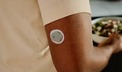
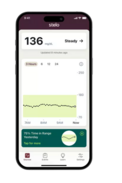
The Dexcom Stelo is the first non-prescription continuous glucose monitor (CGM) approved for use in the United States and is available now. In June of this year two more non-prescription CGM devices, the Abbott Lingo and the Libre Rio were approved by the FDA (more on those in the next newsletter). The Dexcom Stelo is intended for use by people 18 years or older with type 2 diabetes or prediabetes, who do not use insulin and do not have problematic hypoglycemia. According to Dexcom, it will “measure, record, analyze, and display” data on the user’s smartphone or other compatible device using a downloadable app. The app, compatible with certain Apple and android devices is particularly useful in guiding lifestyle behavior changes with a focus of postprandial glucose spikes.
While this could change in the future Dexcom is making this a cash-based transaction and not seeking to establish insurance coverage. They do state that it may qualify for payment by health savings accounts (HSA). Stelo is priced at $99 for a one-time purchase of 2 sensors (lasting up to 15 days each) or $89/month for an ongoing subscription. It is available only online at the Stelo website. The company states that they “may” expand availability depending on the sales volume.
|
Unique characteristics of the Stelo Biosensor System
The Stelo uses the same sensor technology as the Dexcom G7. Glucose data is derived from the interstitial fluid and transmitted to a receiver, in this case the buyer’s compatible mobile device.
- Readings are gathered by the sensor every 5 minutes during the life of the sensor but transmitted to the receiver every 15 minutes. The G7 transmits readings every 5 minutes.
- The sensor lasts up to 15 days before changing to a new sensor and there is a 12-hour grace period for changing the sensor. The Dexcom G7 sensor lasts 10 days.
- Trend arrows indicate glucose variability and predict a rise or fall in glucose. For instance, an up arrow or down arrow predicts a change of 69-90 mg/dL in 30 minutes.
- Events such as food intake or exercise can be entered to allow better understanding of glucose fluctuations.
- There are no high or low glucose alarms and less notifications than the G7.
- The Stelo website has some well-done education videos and articles on a variety of subjects related to diabetes and metabolic health.
- The Stelo is not intended to encourage the wearer to make medication changes without consulting with a qualified healthcare professional.
The market for a non-prescription cash only CGM
There are about 25 million people with type 2 diabetes who do not use insulin and about 98 million people with prediabetes. Add to this the number of people without diabetes using CGM in non-traditional situations and the market in huge. The Stelo will allow people to take charge of their diabetes by making informed decisions around food, exercise, and other lifestyle behaviors. Users will be able to see the effects on blood sugar that come with medication initiation or dose adjustments although Dexcom does not recommend medication changes without consulting a health care professional.
|
CGM and people without diabetes
There is a burgeoning movement toward use of CGM in people without diabetes to provide information and guidance on food choices and exercise. The weight loss industry is among the businesses incorporating CGM into their plans, often along with GLP-1 or GLP-1/GIP receptor agonist therapies. Athletes, in particular those involved in endurance sports, are using CGM to understand the intricacies of fueling their bodies with the correct type and amount of nutrients during long distance races. Companies such as Nutrisense, Signos, Veri, and Levels use CGM in their “metabolic health” programs designed to help people make informed lifestyle changes. These companies use prescription CGM devices and charge a monthly fee that includes the CGM sensors, and a proprietary app. Lingo is a CGM app combo intended for metabolic health and is now for sale in the US without a prescription. It uses an Abbot sensor based on the Freestyle technology.
Conclusion
This is an exciting time in the evolution of CGM in people with and without diabetes. Increasing CGM access to people with prediabetes, even for short term use could be a game changer. Healthcare profession
|
3 Minute Extra Mile
-
Take some time to learn more about programs using CGM. It is well worth the money for pharmacists and other healthcare professionals interested in diabetes, prediabetes, and metabolic health to try an OTC biosensor like the Stelo for a month.
Here are some sites where you can learn more about the traditional and non-traditional use of CGM. The Dexcom Stelo site is full of information, but you may need to establish an account for full access.
James Bennett BsPharm, BCGP, CDCES
MT DPH Cardiovascular and Diabetes Programs consultant
Bozeman MT
|
|
|
|