|
|
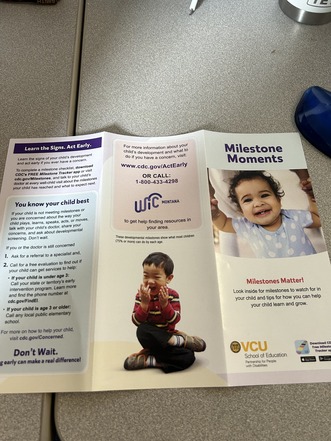
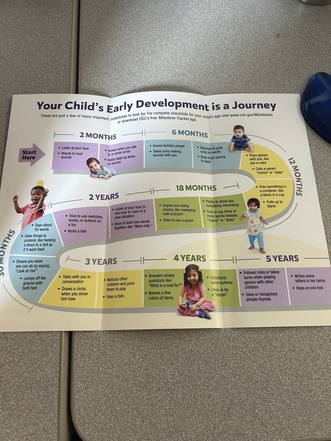
The new version of the Milestone pamphlets are in at the state office. If you have been trying to order these in the last couple of months, please submit a new order form to the montanawicprogram@mt.gov email!
|
|
This year (FY 2024), three MPR WIC agencies, Nebraska, South Dakota and Rosebud Sioux, will be among the first WIC Programs to ever offer Online Shopping as a means for program participants to remotely transact their WIC benefits in exchange for their supplemental foods. |
|
|
Risk Code 131 – Low Maternal Weight Gain
Defined as:
- A low rate of weight gain, such that in the 2nd and 3rd trimesters, for singleton pregnancies:
Pre-pregnancy Weight Classification BMI Total Weight Gain (lbs/wk)
Underweight <18.5 < 1
Normal Weight 18.5 to 24.9 < 0.8
Overweight 25.0 to 29.9 < 0.5
Obese ≥ 30.0 <0.4
Multi-fetal Pregnancies See Justification for more information.
- Low weight gain at any point in pregnancy, such that using a National Academies of Sciences, Medicine, and Engineering (NASEM) based weight gain grid, a pregnant woman’s weight plots at any point beneath the bottom line of the appropriate weight gain range for her respective pre-pregnancy weight category as follows:
Pre-pregnancy Weight Classification BMI Total Weight Gain Range (lbs)
Underweight < 18.5 28 - 40
Normal Weight 18.5 to 24.9 25 - 35
Overweight 25.0 to 29.9 15 - 25
Obese ≥ 30.0 11- 20
Multi-fetal Pregnancies See Justification for more information.
What WIC Can Do:
WIC services can improve the birth outcomes for women who experience low maternal weight gain during pregnancy. These outcomes can be improved by the supplemental food, nutrition education, and referrals provided to participants by the WIC Program.
Staff can assist pregnant women in the following ways:
- Carefully assessing the health status, dietary intake, and concerns of the woman in a participant-centered manner to find out possible factors contributing to low weight gain.
- Encouraging women to eat smaller, more frequent meals with snacks if they are struggling with appetite or nausea.
- Discussing healthy, high calorie snack option, if appropriate. To include nutrition tailoring of the food package for higher caloric WIC foods.
- Educating pregnant women on the importance of appropriate weight gain during pregnancy.
- Referring to the health care provider if the pregnant woman has been diagnosed with or is suspected of having hyperemesis gravidarum.
- In this case, providing pregnant women with medical formula and supplemental foods as prescribed by the medical provider.
- Providing additional referrals to health care providers and/or other services based on concerns of the woman.
|
|
|
|