|
The Montana Department of Natural Resources and Conservation’s Rangeland Resources Program (RRP) promotes and advocates for healthy, sustainable rangelands that support people, wildlife, recreation, clean water, and the natural scenic beauty of Montana. The Rangeland Resources Committee provides guidance to the Rangeland Resources Program and is administratively attached to DNRC.
News
406 Grazing Academy: The Next Bite Registration is OPEN!
This advanced level of 406 Grazing Academy will give participants the opportunity to take a deeper dive into grazing systems, water developments, plant ecology and economics of grazing. Time will be spent teaching participants to implement new techniques and knowledge learned into on the ground practices for their operations.
Cost is $150 and includes 3 lunches & 2 dinners, classroom materials, and travel to field sites from Lewistown. Lodging and transportation costs are the responsibility of the participant; accommodations can be made at the Calvert Hotel in Lewistown, (406) 535-5411. Use code: DRNC Range Tour for the group discount. Hotel rooms are filling quickly, don't hesitate on your registration or a room in Lewistown! Registration is very limited and there are ONLY 14 SPOTS LEFT!!!
Event registration ends 8/4/2025 or until filled!
**When you click on the registration button below, you will be asked for your name and email. After you’ve filled in the required fields, click “Submit” to be taken to the official registration page to enter your information again and pay registration fees. Once you’ve entered your details and payment information, click “Submit” and you will receive a confirmation email/receipt that you’re registered for the course/tour.
There are also scholarship funds available! Click the button below to learn more about that opportunity.
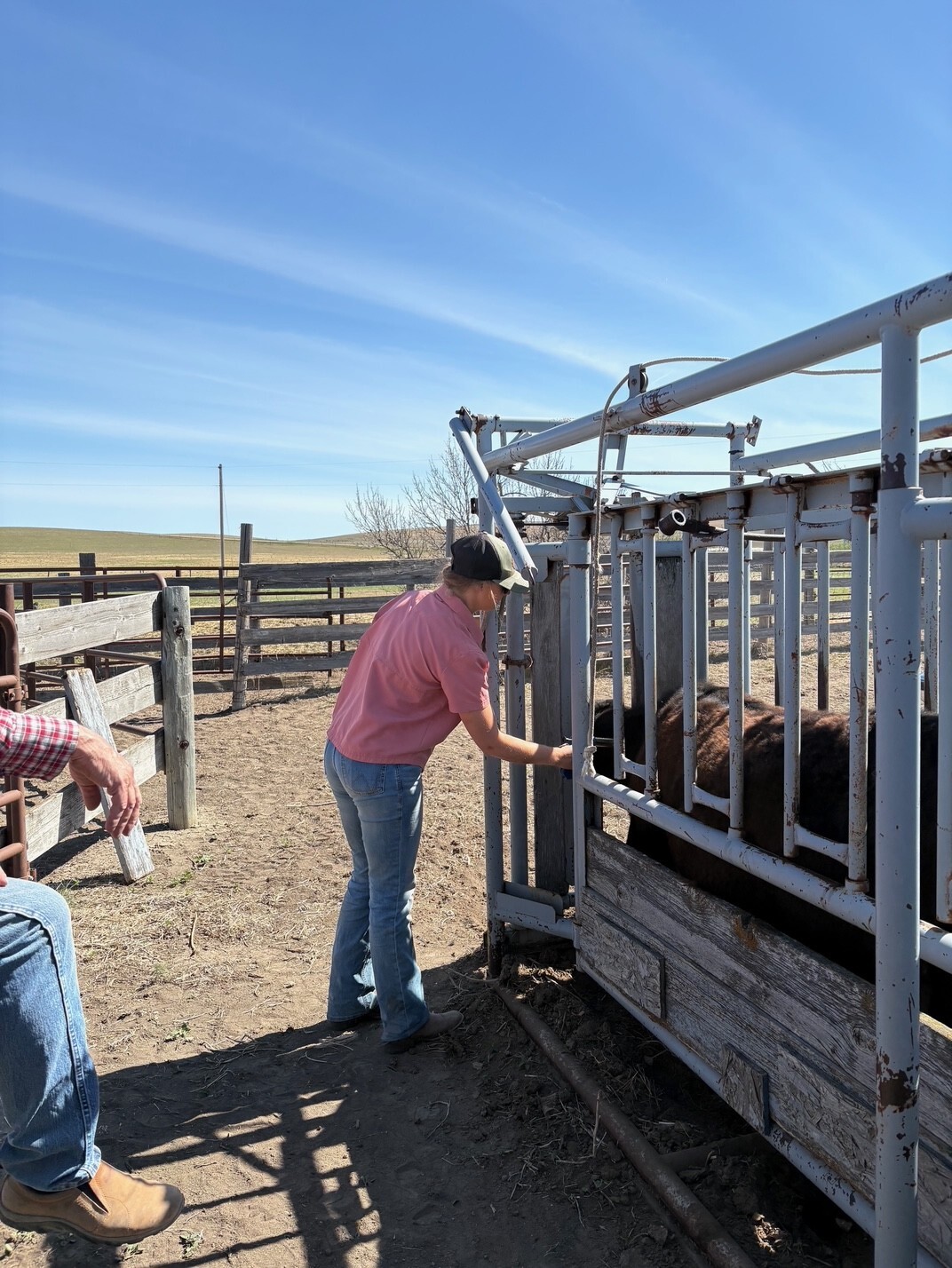 Working Lands Internship: Update
Written by: Brenna Ritchie, 2026 Intern
So far this summer, my opportunities in the WLIP have taken me all across Montana: From Culbertson to Gallatin Gateway, I’ve been able to work with and learn from amazing land stewards. The ability to see differences in livestock operations, environments, and issues across different areas is truly special. At both operations I've been at thus far, I’ve enjoyed picking their brains about why and when they make certain moves, and other improvement projects or considerations they have going on. Being on the ground for the summer grazing season has given me directly hands-on experience of concepts I’ve learned in MSU range classes and at the 406 Grazing Academy.
Although I’ve learned and improved plenty of hard skills like installing stock water, fencing, irrigation, plant ID, and stockmanship, my biggest takeaway so far has been the importance of being involved. Providing input on local boards and state wide policies is pivotal in advocating for what ag producers need in this changing world. Additionally, I’ve been blown out of the park by how welcoming and knowledgeable each of my host ranches have been, answering any and all questions from grazing planning decisions to local issues. I’m constantly inspired by the passion I’ve seen for land health and livestock, and look forward to the rest of my summer at two other ranches in our beautiful Montana rangelands.
Not Done Yet: Despite Packer Investigation Price Shock, Cattle Prices Could Keep Climbing Through 2030
Farm Journal, AgWeb, by: Tyne Morgan
Despite daily volatility, cattle markets are still driven by strong demand and tight supplies. Rising fuel costs could pressure consumers, but slow herd expansion keeps the long-term outlook bullish through the decade.
Asian Longhorned Tick Is On the Move: 10 Things Cattle Producers Must Know
Drovers, Written by: Angie Stump Denton
A single tick can start an infestation, and the parasite it carries stays in your herd forever. Now in 27 states, the invasive tick is reshaping how producers manage herd health — here’s what experts want you to know.
US National Grasslands Survey Report 2026
World Wildlife Fund
The 2026 US National Grasslands Survey was commissioned by the America’s Grasslands Coalition, which includes WWF, to better understand public awareness, perceptions, and attitudes toward grasslands across the United States. It also aims to assess levels of support for grassland conservation and to inform the design and strategic direction of future outreach and engagement efforts.
This report presents findings from a nationally representative survey of 2,014 US respondents conducted by GlobeScan, an independent research consultancy, between April 16–28, 2026. The sample reflects the US population across age, gender, education level, and state population.
The Western Montana Food and Farm Trail connects folks, farms, and flavor
KPAX Montana News
People can now go on an adventure across Western Montana, which will bring them to farms, ranches, restaurants, and even breweries that play a key role in Montana’s agricultural economy.
The Western Montana Food and Farm Trail is an agri-tourism initiative put on by Farm Connect Montana, a non-profit that’s based in Missoula.
H-2A Guest Farmworker Program Continues to Grow Rapidly
Northern Ag Network
The H-2A temporary agricultural worker program allows U.S. farmers and ranchers to hire foreign workers for seasonal farm labor, helping producers fill critical labor shortages while providing workers with higher wages than they could typically earn in their home countries. In the first half of the 2026 fiscal year, the program has continued its rapid growth with the Labor Department certifying 17 percent more jobs compared to a year earlier.
Former American Farm Bureau Economist Samantha Ayoub reported in January that “the H-2A program continues to grow, with 13,358 more positions certified in fiscal year 2025 than fiscal year 2024. This marks the first year in program history that over 400,000 workers were requested, highlighting the continued domestic labor shortages American farmers and ranchers face.”
Experts discuss options on drought panel
Farm & Ranch Guide, by Morgan Garrison
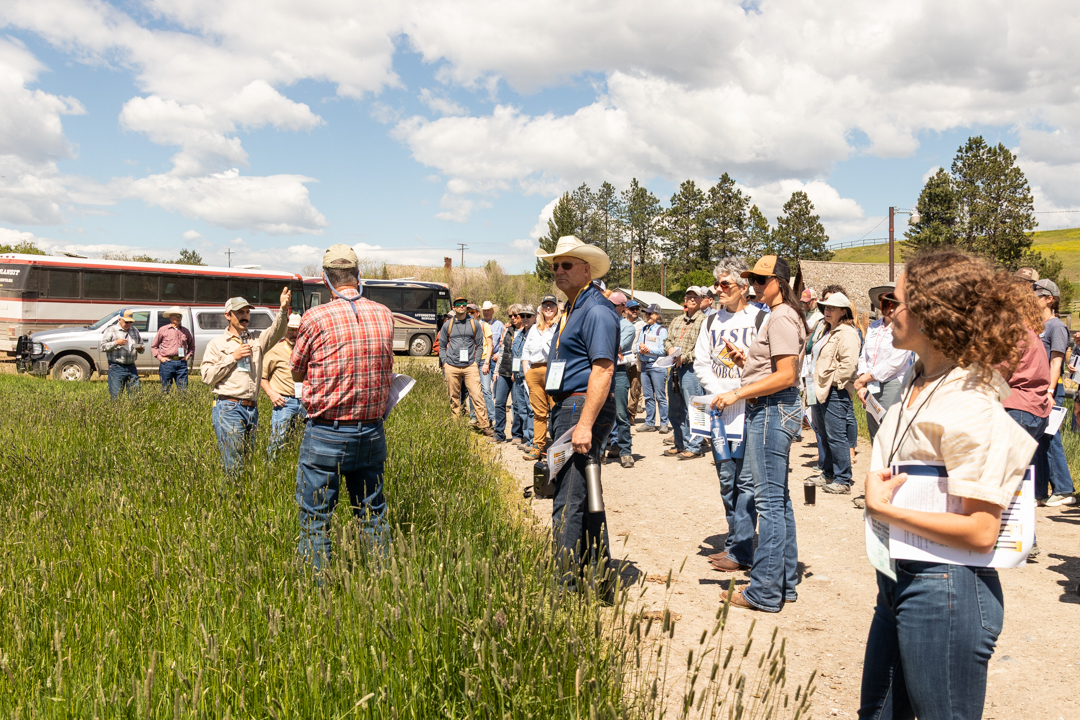
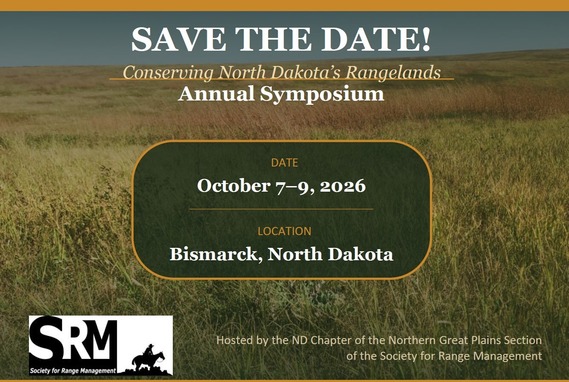
With much of cow country considered in drought conditions going into the summer grazing season, producers tuned in May 27 on social media to watch a live panel discussion hosted by the Society for Range Management through their “Good Grazing Makes Cents” program in the hopes of gaining insight and ideas as how to best manage current conditions.
Panel members represented a wide swath of livestock agriculture across the region, and they all shared their personal and professional opinions on the current state of affairs.
|