|
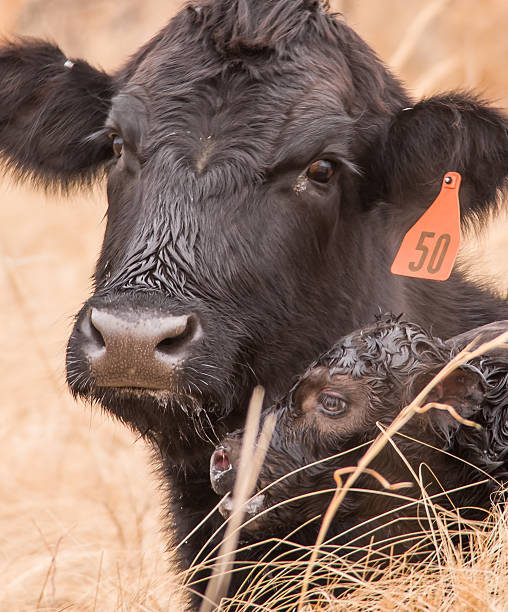 The Montana Department of Natural Resources and Conservation’s Rangeland Resources Program (RRP) promotes and advocates for healthy, sustainable rangelands that support people, wildlife, recreation, clean water, and the natural scenic beauty of Montana. The Rangeland Resources Committee provides guidance to the Rangeland Resources Program and is administratively attached to DNRC.
News
Buckle Up: Cattle Market Structure Signals the Highs May Still Be Ahead
Farm Journal AgWeb, Written by: Tyne Morgan
Tight cattle supplies, delayed herd rebuilding and resilient beef demand point to continued market strength, with economists saying higher cattle price highs in 2026 are still on the table.
For cattle producers wondering whether today’s price levels are sustainable, or whether the market has already peaked, the underlying fundamentals suggest the industry may not be finished yet. Despite historically high cattle and beef prices, the U.S. cow herd continues to contract, herd rebuilding has yet to meaningfully begin and beef demand remains resilient even as prices climb. And when you combine those forces together, it’s a recipe that indicates tight supplies are likely to persist well into the second half of the decade, setting the stage for continued strength, and potentially even higher highs yet this year.
US signs trade deal with Taiwan
Western Livestock Journal, Written by: Anna Miller Fortozo
An agreement between the U.S. and Taiwan grants U.S. beef exports duty-free access to the Taiwan market, eliminating tariffs and reducing non-tariff barriers.
On Feb. 12, the U.S. and Taiwan signed the Agreement on Reciprocal Trade between the United States of America and Taiwan.
“The Agreement on Reciprocal Trade with Taiwan will eliminate tariff and non-tariff barriers facing U.S. exports to Taiwan, furthering opportunities for American farmers, ranchers, fishermen, workers, small businesses, and manufacturers,” Greer said.
He added that the agreement builds on the U.S.’ economic and trade relationship with Taiwan and will enhance the resiliency of the U.S.’ supply chains.
Defending our Health by Stopping the Spread
Montana Invasive Species Committee (MISC) Bulletin
|
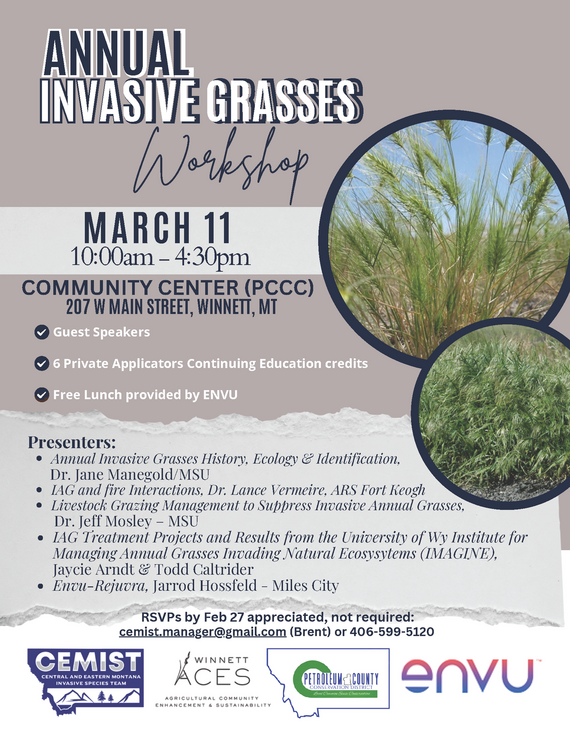
The term "invasive" is used for non-native species that spread and reproduce rapidly, displace native species, and cause major disturbance to the areas in which they are present. Invasive species can cause irreversible harm to the environment and the economy, and often pose a threat to plants, animals, and human health. The good news is that solutions to this problem start at home.
By taking some basic care, you can greatly reduce the risk of spreading invasive species to the places that you love. Here’s how:
- Clean, drain, and dry all watercraft, trailers, and equipment when boating or fishing.
- Comply with watercraft inspection and decontamination requirements.
- Clean hiking boots, waders, boats and trailers, off-road vehicles, and other gear in between outings.
- Never dump aquariums or live bait into waterways
- Buy firewood near where you’ll burn it or gather on site when permitted.
- Buy forage, hay, gravel, and mulch that are certified as “weed-free.”
Report invasive species or anything out of the ordinary using an app like iNaturalist.org or by contacting your local weed district, extension office, or agency personnel.
|
|
|
Conservation & Partnerships
No smoke, no fire, in trends of Montana land ownership, new study actually says
Western Landowners Alliance, On Land, Written by: Lesli Allison
A recent study led by University of Montana professor Alexander Metcalf, published in Environmental Management, places private landowners squarely at the center of a familiar and often contentious debate. The study opens by noting that most wildlife habitat in the United States is privately owned, a reality the authors argue complicates management of wildlife held in public trust. According to the abstract, private landowners’ rights and interests can be “at odds” with those of trust beneficiaries.
Media coverage of the study has amplified this framing in ways that are misleading. In a Montana Free Press article titled “Two-thirds of Montana’s private land is in the hands of a few thousand owners,” Metcalf is quoted expressing surprise at the size of some holdings: “The graph never stops getting steeper… Thirteen owners own 15 percent of the private land in the state.” At first glance, this seems to indicate an accelerating consolidation of land ownership.

Glasgow Beef Into Schools Gains Momentum
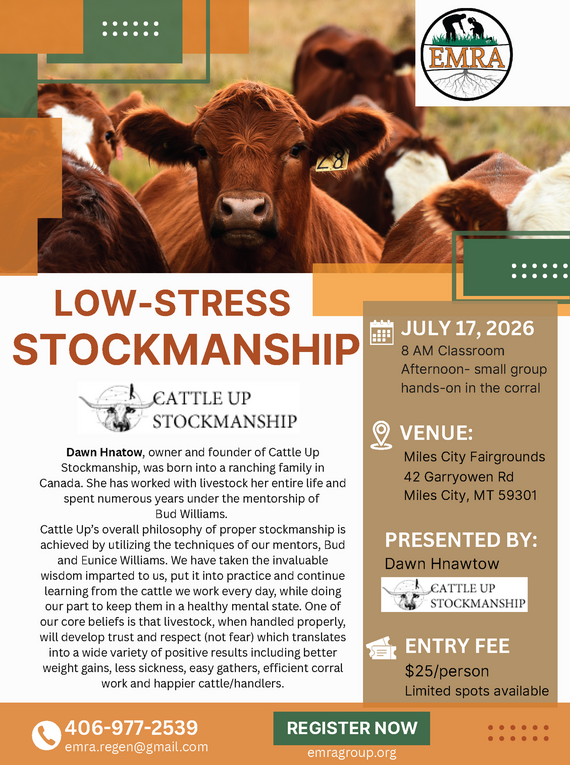
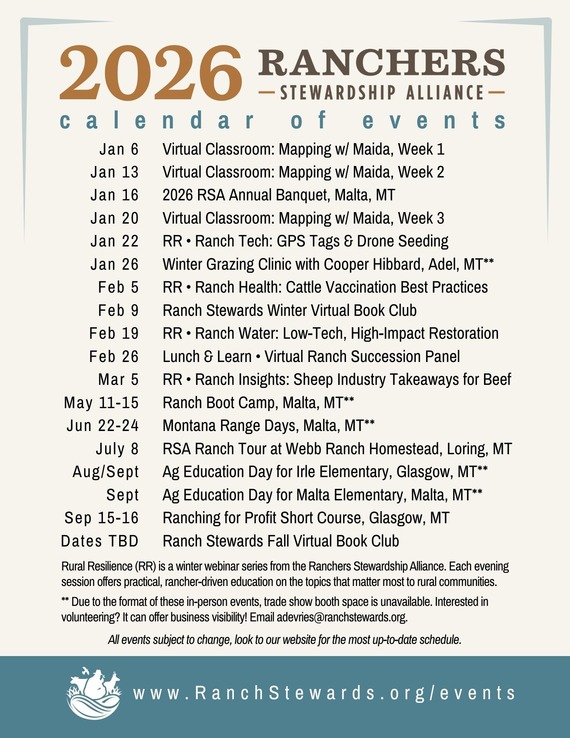
The Ranchers Stewardship Alliance is kicking off a community-wide effort to bring locally raised, nutrient-dense beef into Glasgow schools through Glasgow Beef Into Schools. While the idea has been taking shape locally, this moment represents a coordinated step forward to build momentum, invite broader rancher involvement, and support the long-term success of the effort. At its heart, this work connects local ranchers directly with local students through the food they produce.
 Looking to buy or sell hay or straw? Need to lease pasture or have some available? Mountain West Grazing is here to help! With the launch of the grazing connection, you can easily post listings FOR FREE to connect with others in the ag community - this is your go-to resource.
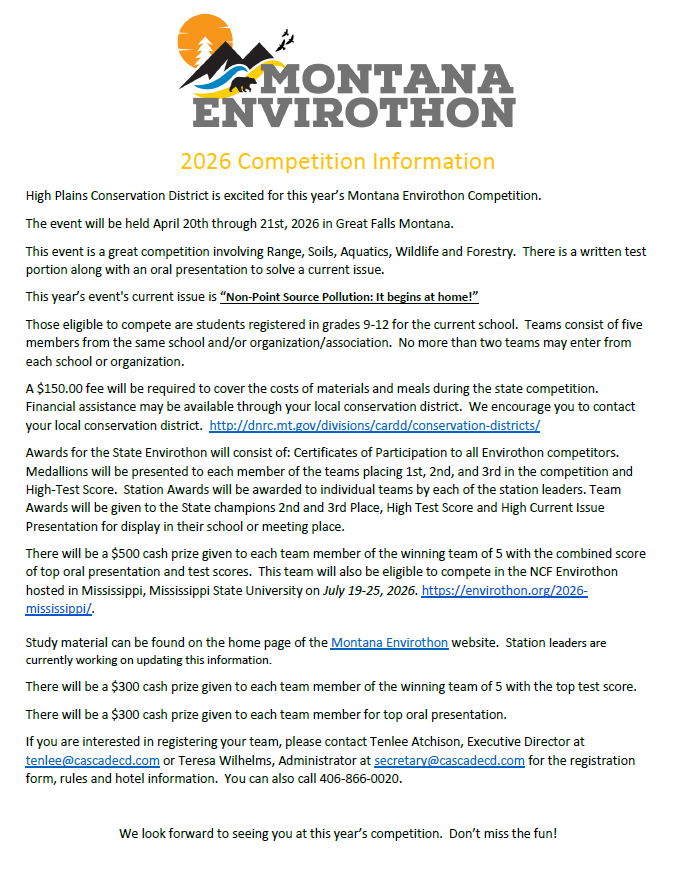
Agency Updates
Funding Available Now!
Multiple Grant Opportunities
DNRC administers a wide range of grants and loans for Montana, assisting cities and towns, conservation districts, private landowners, and other groups in managing natural resource issues at the local level.
The Ranchland Stewardship Program (RSP) aims to expand and increase the use of technology to improve grazing management planning and adaptive strategies that enhance soil health. The RSP plans to use data-driven adaptive management decision-making tools to increase carbon storage in the soil, thereby increasing soil carbon sequestration on Montana’s expansive and diverse rangelands.

Interior launches materials access program to expand access to public lands for the benefit of the American people
The Department of the Interior today announced the Bureau of Land Management’s Materials Access Program, which reduces the regulatory burden for the American people to access to mineral materials such as sand, gravel and stone. The Materials Access Program and the policy change will make it easier and more affordable for the public to obtain common materials used in construction and community development. The program is also launching a new online mapping tool which will direct citizens to the pit nearest them.
The changes support the Trump administration’s priority of lowering costs for families and small businesses by improving access to basic materials and reducing regulatory burdens. Through efforts like the Materials Access Program, the Administration affirms that the nation’s public lands are truly managed to benefit all Americans.
 Rural Energy For America Program(REAP) -Technical Assistance Grant
The REAP program provides grants and loans to agricultural producers and rural small businesses for renewable energy systems or for new energy efficient equipment.
The Montana Department of Agriculture was recently awarded a second grant by USDA to provide technical assistance for small businesses and ag producers interested in applying to the REAP program. Through the MDA supported Food and Agriculture Development Center Network, applicants in all counties can receive assistance with:
- determining project eligibility;
- filing for System Award Management (SAM) and Unique Entity Identifier (UEI) registrations; and
- obtaining a grant writer to assist with completing and submitting a REAP grant application.
 Upcoming Webinars:
Landscape-scale planning in PJ, insights from new wildfire data, fire and fire surrogate and SageSTEP 20-year research

The Natural Resources Conservation Service (NRCS), an agency within the U.S. Department of Agriculture, has prepared a Draft Watershed Plan-Environmental Impact Statement (Draft Plan-EIS) for the Milk River and St. Mary River Watersheds. The effort is sponsored by the Milk River Joint Board of Control (MRJBOC), in cooperation with the Bureau of Reclamation (USBR) and the Montana Department of Natural Resources and Conservation, and in participation with the Blackfeet Tribal Business Council.

 FWP Public Notices & Opportunity for Comment
Podcast Corner

AoR 177: Dr. Betsey Boughton on Ranch-Relevant Ecological Research at Archbold Biological Station
"Archbold's mission is to build and share the scientific knowledge needed to protect the life, lands, and waters of the heart of Florida, and beyond." This quote from the Archbold Biological Station website describes well the impressive efforts of this large private research institute to integrate wildlife and ecosystem conservation efforts with ranch management. Ranches have also become increasingly important for water conservation.
|
EPISODE ONE
A Diagnosis and a Deadline
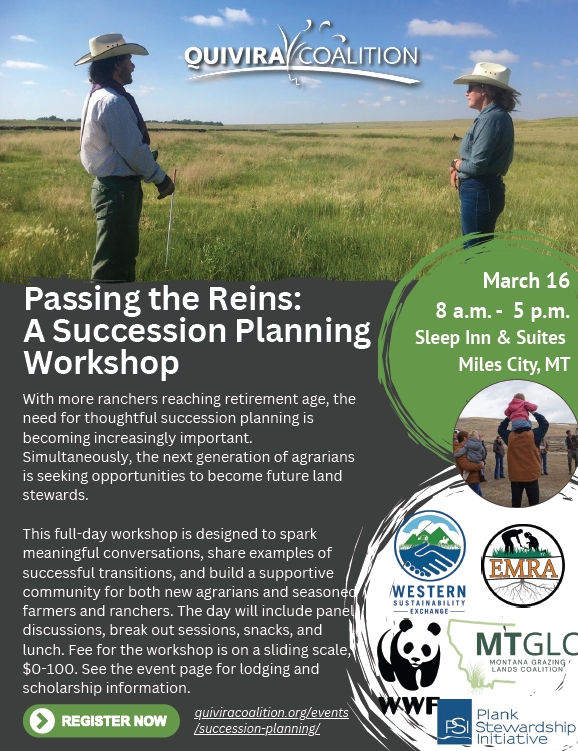
When Howie Hammond learned he might only have months to live, he and his daughter Andrea had to make quick decisions about the future of their family's farm and ranch. In the Milk River Valley of northern Montana, the Hammonds' story shows how one family's health scare catalyzed the difficult conversations about succession that many rural families avoid until it’s too late.
|
Research Center
To make the 406 Rangelands newsletter more reader friendly, the "Research Center" section has been permanently moved to the Rangeland Resources Program website. You can access it here.
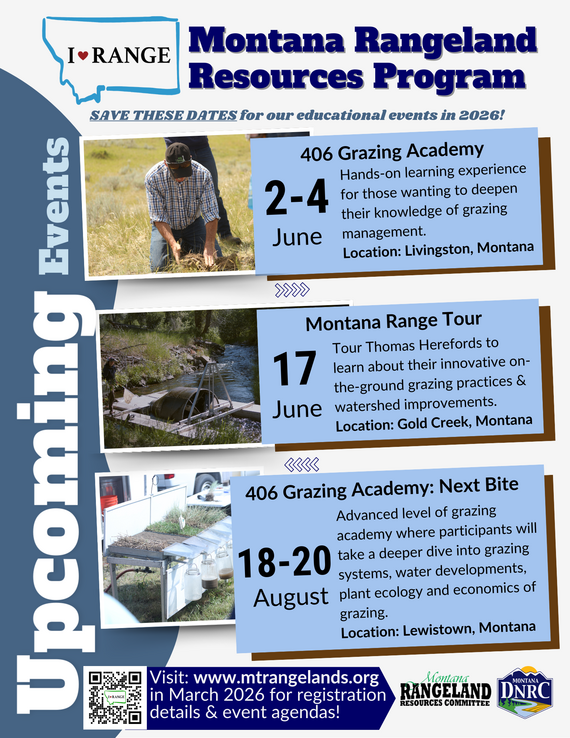
March
-
-
16 - Passing the Reins (Miles City, MT)
April
-
7-8 - Increasing Ranch Profitability Wkshp (Dillon, MT)
For details, click here
-
10-12 - Red Ants Pants: Women in Ag Communities Scholarships are available! Learn more and register HERE
-
20-21 - MISC Quarterly Meeting (Bozeman, MT)
May
June
July
August
December
Contacts
Stacey Barta, State Coordinator for Rangelands
(406) 594-8481
SBarta@mt.gov
Rangeland Resources Committee:
Diane Ahlgren, Chair
Perri Jacobs, Vice Chair
Steve Carey
Sigurd Jensen
Jim Anderson
Ryan Green
|
|
|
|
|