|
ISSUE 2 | JUNE 2026 | VOLUME 19
State Veterinarian Notes
Pseudorabies
New World Screwworm
Canine Travel & Health
Equine Biosecurity
Brucellosis Updates
By Tahnee Szymanski, DVM
Welcome to the June edition of the Department’s StockQuotes Newsletter. The summer months have several exciting developments for the Department. Looming large on the horizon is the upcoming move of the Department’s Veterinary Diagnostic Lab (MVDL) to the new Combined Labs Facility. There will be a formal ribbon cutting for the lab in July and the Department also plans to hold an open house to allow veterinarians and producers an opportunity to tour the new lab. Please RSVP to the ribbon cutting ceremony here if you would like to attend: https://www.msuaf.org/s/1584/m26/1col.aspx?sid=1584&gid=1&pgid=7618&cid=14690&ecid=14690. Look for additional communication regarding an open house in the coming months.
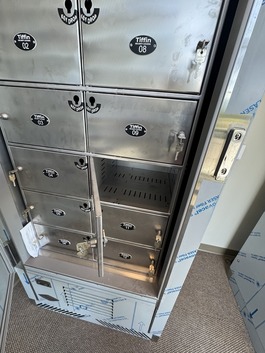
Besides the excitement of a brand-new facility, the new lab boasts several new features we are excited to share with you, including a drive through window for lab submissions and new cabinets for after-hours drop-off (Figure 1). The cabinets are climate controlled and lockable to allow for secure delivery of samples to the lab. We expect the move to the new facility to occur sometime toward the end of July. Look for direct email communication regarding the move and any impact to services at the lab.
Figure 1. MVDL after hours drop-off cabinets. Source: MDOL Staff.
Also in July, Dr. Hayley Masterson will be joining the lab as our new veterinary microbiologist. We are excited to have Dr. Masterson join the Department.
Another new addition to the Department is the hiring of a Public Relations Officer, Riley Meredith. The department has been without a public relations officer for more than a decade. Reestablishing this position will allow the Department to expand how we communicate with our various audiences, including the development of a social media presence. It will also increase the quantity and quality of communication from the Department. Riley is hitting the ground running as we tackle preparedness and response to the detections of New World Screwworm (NWS) in Texas and New Mexico.
In addition to NWS, the coming articles contain information on equine and small animal diseases and disease management - important information for Montana’s summer months.
For clinics interested in biosecurity resources, the Montana Pork Producers Council (MPPC) has recently announced the availability of complimentary biosecurity kits for veterinary clinics and professionals across Montana. These kits are designed to support disease prevention efforts and strengthen biosecurity practices in both clinical and agricultural settings.
The kits include:
- Disinfectant booklet providing guidance on cleaning and sanitation protocols
- Nine biosecurity flyers covering key topics such as transport, truck washing, manure and mortality management, non-farm personnel, and swine exhibition practices
- Laminated biosecurity posters (12” x 18”) addressing producer and visitor biosecurity and foreign animal diseases including Foot and Mouth Disease (FMD), African Swine Fever (ASF) (including Spanish version), and Classical Swine Fever (CSF)
To request a free biosecurity kit, please complete the Google Form here: https://docs.google.com/forms/d/e/1FAIpQLSfzAN9wepV4lOXr5J8QFg5pQ3Fc1VBY7cgmfyDgTkBk9B9kqA/viewform or contact Kassandra Champion at mtporkproducers@gmail.com or 406-557-2982. The deadline to request kits is July 31, 2026.
Finally, an important note regarding no-cost RFID tags. Currently, USDA plans to do a limited allocation of tags to states for FY26 as a working group has been established to tackle how tags are allocated to states. Montana will be receiving an initial allocation of 10,000 tags. Unfortunately this does not begin to cover tag needs for fall testing, brucellosis vaccination, or interstate movement of animals. Until additional allocations are released, veterinarians will need to purchase RFID tags to ensure adequate tag numbers for fall work. We will provide updates as soon as additional information is available. We appreciate your patience. We are discouraged that tags for the current federal fiscal year are coming so late in the year but hopeful that Montana will benefit from an updated allocation process going forward.
By Emily Kaleczyc, VMD, MPH
At the end of April, the United States Department of Agriculture (USDA) announced the detection of pseudorabies (Aujeszky's disease) in a commercial swine facility in Iowa. Pseudorabies was eradicated from the United States’ commercial swine herd in 2004, but the disease persists in feral swine populations and poses a risk of re-introduction through domestic swine raised outdoors. Although the first cases in this outbreak were identified in Iowa, the disease was introduced to that facility through the movement of pigs raised outdoors in Texas. Between the Texas and Iowa herds, animal movements led to potential exposures in Washington, Montana, and California. The affected herd in Iowa was depopulated, and testing is ongoing in other states.
Pseudorabies is a viral disease of swine that causes neurologic signs, respiratory disease, reproductive losses, or death depending on the age of the pigs infected (Aujeszky’s Disease - CFSPH). The virus spreads through both direct and indirect contact with infected animals or fomites, and while primarily a disease of swine, the virus can infect other mammalian species where it is most often fatal. It is not considered zoonotic.
The current outbreak had a limited impact on commercial swine because only one commercial facility was affected and the pigs at the facility were depopulated quickly. The positive pigs in Iowa were identified on routine testing that was conducted to meet requirements to ship semen across state lines; no pigs at the facility had any clinical signs of disease. All pigs within the control area around the Iowa facility are undergoing testing for pseudorabies as part of the eradication program and to limit impacts on international trade. The herds involved in Texas, California, Washington, and Montana are considered “transitional production swine” because they are raised outdoors and have a reasonable risk of exposure to feral swine in places with feral swine populations. Montana does not have any feral swine, and all pigs involved in Montana have tested negative twice and completed the quarantine. Montana conducts routine surveillance for pseudorabies on adult swine slaughtered at state inspected slaughter facilities.
While Montana does not have a large swine industry, this outbreak is a good reminder that we do have small, backyard swine producers who may not be aware of swine movement requirements or the risks of importing animals from states with feral swine. In addition to pseudorabies, feral swine can expose domestic animals to swine brucellosis and a variety of other diseases. It is important for all pig owners to know the health status and exposure risks of the source herd whenever they acquire new animals and to ensure animals have met requirements for interstate travel.
Additional resources on swine disease and biosecurity can be found at:
U.S. SHIP
Swine Diseases and Resources - CFSPH
Swine Disease – Resources & Guidance | APHIS
You can always reach out to our office with any questions about requirements for swine movements and identification by calling 406-444-2976.
By Tahnee Szymanski, DVM
Surveillance: With the summer months upon us, the likelihood of finding maggots in untended wounds is increasing. While veterinarians should always be vigilant for atypical or more severe clinical signs in animals, the detection of New World Screwworm (NWS) within the United States in early June should have us all exercising more caution in assessing the risk of maggots in wounds.
While we want to remain vigilant, we also recognize that not every maggot in a wound requires submission. Signs that the presence of maggots may not be run of the mill include:
- Foul-smelling wounds with visible maggots
- Signs of pain, depression, or behavioral changes such as tail swishing, kicking or isolation away from the herd (restlessness)
- Biting or licking at wounds
- Lesions in navels, ears, and dehorning or branding sites
- Wounds that worsen instead of healing
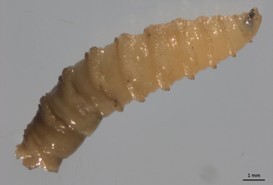
Figure 2. New World Screwworm. Source: Texas A&M.
While not a clinical sign, consideration for an animal’s travel history, or that of other animals on the premises should also be considered.
New world screwworm larvae have some distinct features that aid in identification. Mature larvae can measure 17 mm or 2/3 of an inch in length, have spines that protrude from the body and wrap around in a spiral (thus the name screwworm), taper on both ends, and have dual internal breathing tubes. Final confirmation of any suspected NWS larvae must be done by a trained individual with United States Department of Agriculture's (USDA) National Veterinary Services Laboratory (NVSL).
If you identify a suspicious wound, maggots, or infestations, immediately report to our office (406-444-2976) for follow up. In addition to reporting, you should collect maggots of various shapes and sizes from several sites within the open wound using forceps. It is important to collect some maggots from the deepest portion of the wound as it is possible to have maggots of multiple species present in a wound. Samples should be preserved in 70 percent alcohol in a tight-closing vial or test tube. If you can get clear photos of the maggots both in the wound and in the collection vessel, they can be texted or emailed to one of the veterinarians at our office at mtstatevet@mt.gov. We are fortunate to be working with several entomologists in the state who can assist with preliminary review of submissions. Upon reporting a suspicious wound, we will work with you on best next steps for submission.
After you have collected larvae for diagnostic purposes, please thoroughly clean the affected area and remove all visible larvae. Removed larvae should be contained and destroyed.
Treatment: While NWS is unlikely to spread as far north as Montana, we could see an isolated detection of NWS in an animal imported into Montana. Response to the detection of NWS in a recently imported animal will be dependent upon the species and the area of the state, but is likely to include surveillance and treatment of animals.
USDA, Food and Drug Administration (FDA), and Environmental Protection Agency (EPA) have been working to increase the number of products available for treatment of NWS, including issuing conditional approval and emergency use authorizations. While the Department will not be prescriptive in how animals are treated for NWS, we want to provide you with the resources needed to select species appropriate treatments and understand the implications associated with the different approval types.
Currently, products approved by the FDA for treatment or prevention of NWS fall into two categories: conditionally approved products and products that have received an emergency use authorization. A third “option” for NWS treatments is the extralabel use of products. Veterinarians may prescribe FDA-approved products for uses that are not on the label, in accordance with the existing regulations (21 CFR Part 530) including a valid veterinarian/client/patient relationship. Extralabel use of drugs in animals is limited to drugs with a full FDA approval. A drug with full FDA approval for non-NWS indications and a conditional or emergency use approval can be used in an extralabel manner.
For information on treatment, check the following resources:
By Kelsey Martin, DVM, MS
Summer in Montana is an exciting time of year, providing opportunities for adventure and travel for both people and canine companions. However, increased activity and travel during warm weather can predispose dogs to certain health risks. Based upon recent trends in reporting and disease surveillance, the Department of Livestock (DOL) would like to highlight several diseases warranting heightened awareness for veterinarians and dog owners.
Valley Fever (Coccidioidomycosis): DOL has received multiple reports of dogs being diagnosed with Valley Fever in Montana, primarily in the eastern half of the state. In most cases, dogs lacked any travel history outside of the state, suggesting infection was acquired in-state. While Coccidioides spp. is not currently considered endemic to Montana, certain parts of the state are likely to be environmentally suitable for the pathogen. Coccidioides spp. grow predominantly in dry, sandy soils in arid to semi-arid environments. Dogs that regularly spend time in such areas should be considered at risk. Hunting dogs in particular may be at a heightened risk, based upon their behavior and the environments in which they hunt. Humans can also contract Valley Fever when exposed to spores in the environment.
Heartworm: Heartworm in Montana is underreported as testing rarely occurs at the state diagnostic lab. However, based on current and historical data available for the state, areas of Montana are suspected to be experiencing local transmission of the parasite and should be considered endemic. Southeastern Montana, in counties such as Bighorn and Carbon, are confirmed areas of concern for locally acquired disease with other regions likely impacted as well. Please be aware of this information when making recommendations for prophylaxis in Montana resident dogs and for dogs traveling to other parts of the United States this summer into fall. Please be aware, heartworm cases are reportable to DOL.
Streptococcus equi subsp. zooepidemicus (Strep zoo): DOL has received reports of Strep zoo infections associated with outbreak events in dogs in multiple areas around the state in the last year. In addition, human cases of Strep zoo have shared links to potentially infected animals, suggesting spillover between owners and their pets. Disease onset from Strep zoo is typically linked to other respiratory pathogens, such as those associated with canine infectious respiratory disease (CIRD). Stress is also a known risk factor, and activities such as boarding or overcrowding can increase susceptibility to infection. Increased awareness and education for clients can help limit the spread of this disease.
Tick-Borne Illnesses: While mentioned in previous newsletters, this is another reminder for veterinarians to be on the lookout for invasive tick species this summer and all. The first detection of a blacklegged tick (Ixodes scapularis) in Montana occurred in October 2023 in Dawson County with additional detections occurring since that time. The presence of other tick species of concern is being closely monitored, and evidence of new species will be announced if they are confirmed in the state. Dogs spending time in tick habitat (e.g., tall grass or wooded environments) should be on tick prevention, and tick-borne illnesses such as anaplasmosis, ehrlichiosis, and Lyme disease should be considered as differential diagnosis when consistent clinical signs are present.
By Brenee Peterson, DVM
In the last year, many cases of infectious equine diseases such as Equine Infectious Anemia (EIA), Equine Herpes Virus (EHV), and Strangles have been reported to the Department of Livestock (DOL). Common routes of transmission for these diseases include inhalation, ingestion, direct contact, vectors, fomites, and iatrogenic. The actions of horse owners before and during an outbreak of an infectious disease have a direct impact on the severity and length of the outbreak.
As veterinarians, we know the importance of biosecurity. With summer equine events ramping up, maintaining proper biosecurity and educating clients is vital to the health of the animals and industry. In addition to our common equine diseases, the presence of Vesicular Stomatitis (VS) in western states this summer poses a particular risk to the equine industry.
The first step to biosecurity is preventing disease from entering. Horse owners can do their part in preventing disease by developing a biosecurity plan and risk assessment for their operation. Biosecurity plans should include a map of the facility and the potential entry points for disease. Understanding how or where a disease could enter an operation allows for mitigation factors to be put in place. A biosecurity plan may include the following:
- Facility layout
- Animal entry requirements (vaccination requirements, Coggin’s testing, health certificates, isolation of new horses, etc.)
- Sanitation procedures (cleaning and disinfection of equipment, stalls, trailers, etc.)
- Manure and hay disposal
- Feed storage
- Traffic control (for humans, animals and vehicles)
- Wildlife and vector control/mitigation procedures
- Location of a quarantine pen if one should ever be needed
Many resources are available for both horse owners and veterinarians regarding biosecurity plans and procedures. For example, the California Department of Food and Agriculture (CDFA) has a biosecurity planning toolkit developed for use at equine events, while the Equine Disease Communication Center (EDCC) has a comprehensive catalog for biosecurity planning at boarding facilities, breeding operations, and more.
Vectors such as mosquitoes, flies, ticks, rodents and wild birds can play an important role in expanding the source, transmission, and geographic spread of disease. As part of a biosecurity plan, a vector and wildlife control plan should be included. Additional resources on control of vectors are available from External Parasite and Vector Control Guidelines – AAEP and Vector-Borne Diseases of Animals from Iowa State.
Disease can enter a facility at any time, so establishing a biosecurity plan early can make an outbreak situation less stressful. An “enhanced” biosecurity plan should also be included as a part of routine biosecurity planning procedures. Enhanced biosecurity plans are implemented when there is a detection of a high consequence disease (e.g., Strangles, EHV, etc.). Enhanced biosecurity plans include rigorous steps that are taken to mitigate and prevent further spread of a disease. These plans may include:
- Stop movement orders
- Communication routes (signage, contact information, etc.)
- Strict traffic control (for animals, humans and vehicles)
- Monitoring animal health
- Isolation/quarantine procedures
- Strict/enhanced cleaning and disinfecting procedures (foot baths, equipment, vehicles, etc.)
- Proper personal protective equipment (PPE) and appropriate handling of animals
When a disease hits an operation isolating sick animals as soon as possible can help decrease the spread of disease. In addition, making sure diseased animals are handled with appropriate PPE and observing strict cleaning and disinfection protocols can limit the scope of an outbreak. Choosing an appropriate disinfectant and closely following its label instructions for dilution and contact time is crucial to ensure it is effective. The Environmental Protection Agency (EPA) regulates disinfectants, and information on specific products can be found at EPA’s Pesticide Product and Label System.
Preparing for infectious disease can seem tedious but is crucial for any facility. Implementing biosecurity in everyday operations can make it easier to control spread when a disease hits. Biosecurity procedures can be used for all species and all operations.
Resources regarding biosecurity in other species can be found here on the Iowa State University’s Center for Food Security and Public Health website. The website includes more about biosecurity and links to the Secure Food Supply websites, which veterinarians may find useful.
By Tahnee Szymanski, DVM
Upcoming International Brucellosis Research Conference: Montana State University (MSU) will be hosting the 78th Annual Brucellosis Research conference in Bozeman, Montana on October 3 and 4, 2026. This conference is attended by veterinarians, microbiologists, and other researchers along with regulatory officials from the United States and abroad. The presentations vary from basic animal research and vaccinology, serological and microbiological studies, and epidemiology to advanced molecular investigations of disease pathogenesis.
United States Department of Agriculture Agricultural Research Service (USDA ARS) Brucellosis Research: In the March 2026 edition of the newsletter, we discussed the brucellosis research priorities established by USDA ARS. USDA ARS will be looking at the risk of transmission from seropositive cows and will also be looking to characterize the development of latent heifer syndrome when the primary route of transmission is from wildlife to livestock vs intra-herd transmission. Starting with this fall’s brucellosis testing, USDA ARS will be able to purchase brucellosis serological reactors at a fair market price and transport these animals to a high-containment facility in Iowa. These animals will be followed throughout their pregnancy, including serial testing to determine how test results might fluctuate as the animal nears parturition, to quantify shedding and therefore risk these animals pose, and if female offspring are produced from animals with confirmed infections, these animals will be followed to evaluate the risk of development of latent heifer syndrome. This research will force a shift in how we manage brucellosis reactors. Historically, we have not called a herd brucellosis affected without positive culture results. As these animals will not be euthanized, culture results will be unavailable. Animals will be tested on a regular basis within confinement allowing us to modify any actions we take on the local landscape to be consistent with what test results are telling us about the disease status of the animal. Our hope is that the potential benefits to our knowledge about brucellosis are worth not having culture results as a decision point in brucellosis management.
Wyoming Proposed Brucellosis Rule Change: The Wyoming Livestock Board currently has proposed changes to their state brucellosis management and mitigation chapter. Two specific areas the proposed regulation change address include the published dates defining the risk period for brucellosis transmission from wildlife to livestock and the removal of the statewide brucellosis vaccination requirement. Currently the three Greater Yellowstone Area (GYA) states have defined the brucellosis risk period differently. Montana’s dates are January 15 – July 15, Idaho’s dates are January 1 – June 15, and Wyoming’s are currently February 1 – July 31. The proposed rule change will move Wyoming’s dates into alignment with Montana’s. Bringing two of the three DSA states into alignment bolsters the integrity of our programs and benefits those producers whose operations straddle state lines. If you are interested in submitting public comment on the proposed changes, the proposed rule change can be found here: https://rules.wyo.gov/Search.aspx?mode=2
|