 As we step into spring, there’s a renewed sense of momentum across our community. From strengthening public safety systems and expanding access to care, to celebrating long-standing city services and creating new opportunities for residents to get involved there is meaningful work happening every day to move Minneapolis forward.
This month’s newsletter highlights a wide range of updates that reflect both immediate needs and long-term investments. You’ll find information on a proposed Community Safety Training and Wellness Center, resources to help protect yourself and your family from public health to scam awareness and opportunities to shape the future of our city through boards and commissions.
We’re also continuing to meet people where they are whether that’s bringing mobile medical care directly to the Northside, supporting families navigating complex immigration issues, or making it easier to plan for the future through tools like Transfer on Death Deeds.
At the heart of all of this work is a simple goal: making sure residents in Ward 4 feels supported, informed, and connected.
As always, it is an honor to serve you.
With gratitude,
Council Member LaTrisha Vetaw
 In recent years, Minneapolis has recognized the importance of modernizing law enforcement and emergency response training facilities to prepare for large-scale events. These events underscore the importance of supporting first responders’ physical and mental health.
A proposed Community Safety Training and Wellness Center is a long-term investment in public safety teams’ training, preparedness, and support so they can better serve the community with safer responses, stronger coordination, and staff well-being.
Meeting needs of staff
Community Safety departments currently operate across multiple outdated facilities that limit modern, cross-departmental emergency response training and employee wellness needs. The proposed center would consolidate several training and wellness functions into one shared location, improving training for emergencies.
The facility would serve 911, Behavioral Crisis Response (BCR), Emergency Management, Fire, Neighborhood Safety and Police.
State-of-the art facility
The total estimated project request is $38 million and will be covered by the City’s capital budget as well as a request for State funding.
Anticipated features include:
- State-of-the-art classrooms: Modern classrooms of varying size that are designed and equipped for adult learning
- Wellness and mental health support: Space and resources, like family support rooms, offices for employee support teams, among others
- Fitness
- Advanced training spaces: large-scale areas for exercises and incident management, which the City currently lacks
- Indoor shooting range: The MPD shooting range would be relocated from the 4th Precinct
Site purchase
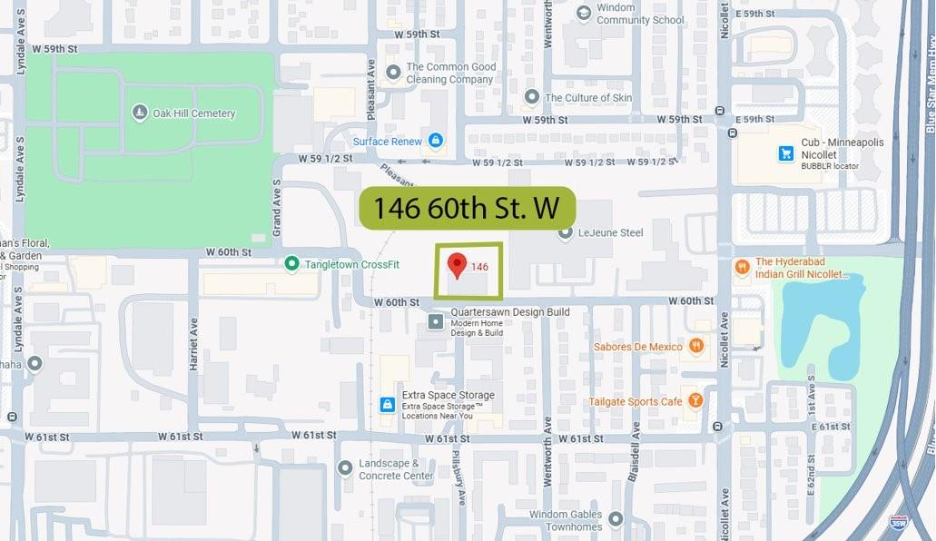
The City is in the purchase phase for the future facility at 146 W. 60th St. in the Windom neighborhood.
Learn more about this proposal and how it supports a safer Minneapolis on the City website.
Inside the Minneapolis Emergency Operations Center: Coordinating crisis response
During major emergencies such as Operation Metro Surge in Minneapolis, the City activates an Emergency Operations Center. Staff from various departments and community partners collaborate to respond to the crisis and offer resources to community members. Leading that effort is Director Rachel Sayre, who calls the center the focal point for coordination.
Staff pause their regular duties and gather in one room, focused entirely on the emergency at hand as a single, unified operation. They streamline decision-making, deploy resources quickly, and meet the most urgent needs of residents and community members.
The Emergency Operations Center also brings together critical partners from outside City government. Organizations such as the American Red Cross and the National Weather Service, along with county and state representatives and other experts, work side by side with City staff. Having everyone at the same table ensures a timely and coordinated response.
Preparing for emergencies
When the center is not activated, preparation continues. The team trains City staff, strengthens partnerships, and refines response plans to ensure readiness for future emergencies. Coordination before, during and after a crisis remains the foundation of Minneapolis’ approach.
 Serving on a board or commission is a unique opportunity to make a difference in your community, bring your expertise and ideas to City leadership and collaborate with fellow residents who care about the future of Minneapolis.
Open Seats — Ward 4 Residents Encouraged to Apply
We are actively looking for Ward 4 representation on the following:
-
Homegrown Minneapolis Food Council
-
Minneapolis Advisory Committee on Housing
-
Minneapolis Advisory Committee on People with Disabilities
-
Minneapolis Arts Commission
-
Public Health Advisory Committee
These roles are a direct opportunity to ensure Northside perspectives are part of citywide decisions from housing and health to food access and the arts.
Additional Opportunities (Relevant Experience Encouraged)
You don’t have to live in Ward 4 for these, but if you bring experience or interest in these areas, we’d love to see you apply:
-
Audit Committee
-
Bicycle Advisory Committee
-
Minneapolis Workforce Development Board
-
Pedestrian Advisory Committee
-
Safe and Thriving Communities Work Group
-
Workplace Advisory Committee
Why This Matters
Decisions are being made every day that impact our neighborhoods. Serving on a board or commission is one of the most direct ways to:
-
Advocate for North Minneapolis
-
Shape policies that affect your community
-
Bring lived experience into City decision-making
You don’t need a formal title or background—just a willingness to show up and share your perspective.
Learn more and apply March 1-31 on the City website.
Planning for the future doesn’t have to be complicated or expensive. For many homeowners, a Transfer on Death Deed (TODD) offers a simple and affordable way to ensure your home is passed on to loved ones without the need for a will or going through probate court.
A TODD allows you to name a beneficiary who will automatically receive your property when you pass away. You maintain full ownership and control of your home during your lifetime, and the deed only takes effect upon death. This can provide peace of mind, reduce legal costs, and make things easier for your family during an already difficult time.
For residents who may not have a will in place or who are looking for a more streamlined option TODDs can be a powerful tool for estate planning.
To learn more about how TODDs work and whether this option is right for you, we encourage you to watch a recent informational presentation available online:
CLICK HERE FOR MORE
The Somali Temporary Protected Status (TPS), set to end on Tuesday, March 17, has been temporarily paused by a federal court order. The end of TPS could have resulted in the loss of immigration status, work authorization, and deportation.
According to the court order, people with TPS or pending TPS applications keep all their rights and protections during the pause. Somali TPS remains in effect, pending further court action.
Be prepared
It’s important to prepare and get advice specific to your situation. You can connect with an immigration lawyer to:
- Get advice on your personal case
- Stay updated about laws and active litigation
If you or your family have been affected by immigration enforcement, watch out for scams. Scammers often target people looking for help with their immigration situation, such as legal services. Protect yourself by knowing what to watch for. Get the facts, check before you act and use trusted sources to stay safe.
Check credentials
Only work with a licensed attorney or Department of Justice (DOJ) accredited representative on your immigration matter. In the United States, notaries are not lawyers and cannot give legal advice or file immigration paperwork.
You can:
Be cautious
Protect yourself from scams
- Use a licensed attorney or accredited representative.
- Get copies of the forms prepared for you.
- Never send original documents with your application unless U.S. Citizenship and Immigration Services asks.
- Check official sources like USCIS.gov.
Red flags for scams can include:
- Promises to speed up your case
- Requests for payment by gift cards, wire transfer or cash
- Pressure to sign blank or incorrect forms or give away original documents
- Unsolicited service offers through social media, including from people outside Minnesota
Get information from trusted sources
Resources
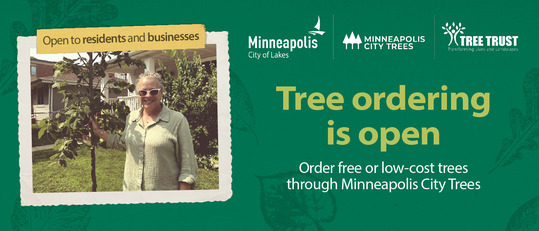 The City of Minneapolis is celebrating 20 years of growing the city’s tree canopy with our annual City Trees Sale. Trees are vitally important, offering environmental, economic and social-emotional benefits to the community. The City Trees Sale has grown significantly since 2006:
- 2006 trees sold: 1,057
- 2015 trees sold: 2,792
- Total trees sold (2006-2025): 25,661
- Commercial property trees sold (2013-2025): 537
- Green Zones free trees distributed (2017-2025): 375
Free trees for Green Zone residents
City Trees offers free trees for residents living in Green Zones. The City and its partner, Tree Trust, will help you select and plant your tree. You can apply for a tree any time during the year. To quality, you must:
- Live in a Green Zone
- Have enough green space for the tree(s)
- Commit to watering the tree every week for the first three years
If you qualify, visit Trees for Green Zone Residents to request free trees.
City Trees for businesses
Minneapolis businesses, nonprofit organizations and apartment buildings with five or more units can purchase trees for their property for $30 each. The City partners with Tree Trust to provide these low-cost trees and professionally plant them for businesses.
Visit Trees for Businesses to order $30 trees for your commercial property or nonprofit organization.
Spring City Trees Sale
Act fast. There are fewer than 100 trees left in the Spring City Trees Sale. Minneapolis residents can order up to three $30 trees per planning address, while supplies last. Trees must be ordered by May 15. People who buy trees through the City Trees Sale must pick them up on May 29 from 1-5 p.m. or May 30 from 10 a.m.-2 p.m.
Visit City Trees Sale to order up to three $30 trees, while supplies last.
It’s spring break season, which means a lot of travel is happening. Measles is on the rise in the United States. Many measles cases in Minnesota come from unvaccinated travelers. Measles can be very dangerous for kids, pregnant women and older adults.
If you’ve been exposed or show signs of measles, call your health care provider right away so they can:
- Take steps to lessen the severity of the case
- Treat the exposure before symptoms start
Symptoms usually appear one to two weeks after exposure. Call your health provider right away if you notice symptoms like:
- High fever
- Cough
- Runny nose
- Red, watery eyes
- Ear infection
- Diarrhea
- A rash that usually starts on the head and spreads downward
Together, we can keep our families and communities safe!
Minneapolis City leaders are warning residents about the latest scam targeting permit and zoning applicants. Scammers are asking people and businesses with active land-use permits or zoning applications to pay bogus fees to complete the process.
While planning officials are not aware of anyone in Minneapolis who has fallen victim to the scam, they still urge extreme caution when receiving emails like these.
Scam details
Scammers pose as City or county planning and zoning officials. Information includes:
- An email with fake invoices associated with land use or zoning applications
- Instructions to pay fees right away or face delays or cancellations in the process
- Formatting and imagery that are closely consistent with City or county branding and processes
- Emails from similar City or county usernames but use an @usa.com naming convention or something similar
- Correspondence usually timed to coincide with ongoing, legitimate milestones in the permit process, like a hearing or committee approval
City process and reporting scams
Any legitimate City email correspondence will come from an official @minneapolismn.gov address. The City will never ask for payment via PayPal or other wire transfer, gift card or other electronic methods.
If a request seems suspicious, do not respond, download attachments or click any links. The City also recommends calling 311 to report the suspected scam. Operators can then alert the proper City departments.
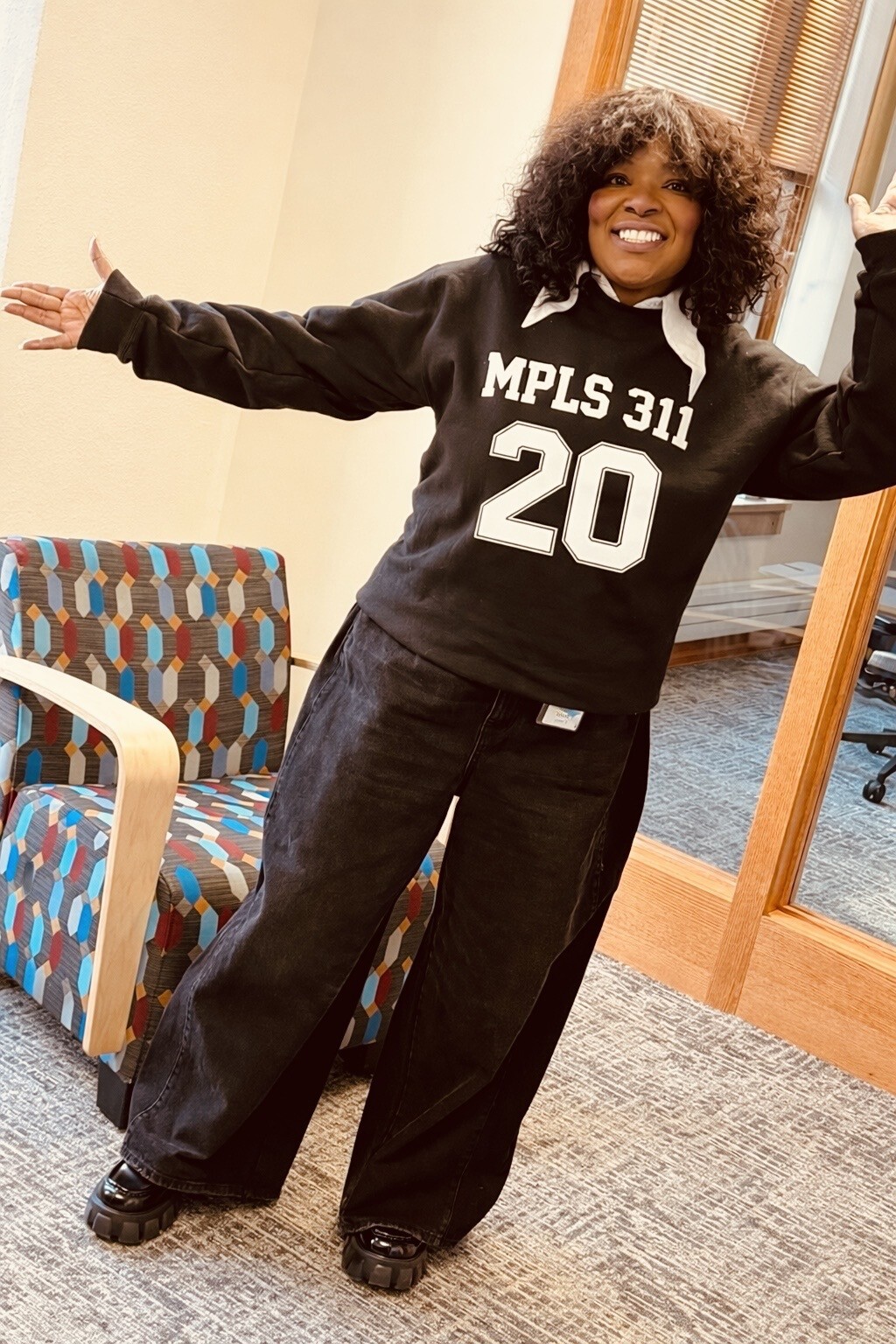 For two decades, Minneapolis 311 has helped residents get the information and support they need from city government. Since its launch in 2006, the non-emergency help line has made it easier to report issues, ask questions and access city programs.
The service gives people one number for non-emergency city needs and keeps 911 free for emergencies.
Over the years, 311 has grown from a call center into a multi-channel service hub. Residents can now contact the service by phone, web, email, text or mobile app.
Minneapolis 311 operates from 7 a.m. to 7 p.m. Monday through Friday, with trained staff ready to assist.
City leaders hope the anniversary reminds more people to use 311 for non-emergency needs. To celebrate, the mayor declared March 11, 2026, National 311 Day in Minneapolis, honoring 20 years of helping residents connect with their city.
Minneapolis earns What Works Cities Silver Certification
Minneapolis is proud to announce that Results for America has awarded it Bloomberg Philanthropies “What Works Cities” Silver Certification for establishing exceptional data capabilities to inform policy, allocate funding, improve services, evaluate programs and engage residents. The Certification standard reflects the practices, policies and infrastructure municipalities must have in place to effectively harness data for better decision-making.
The What Works Cities Certification program, launched in 2017, is the international standard of data excellence in city governance.
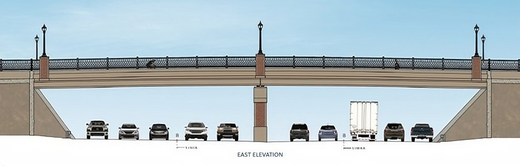 The City of Minneapolis invites experienced artists to apply to design and create public artwork for the I-94/22nd Avenue South bicycle and pedestrian bridge. This bridge connects the Seward and West Bank neighborhoods at Augsburg University.
The selected artist or artist team will collaborate with the project steering committee, design team and community members to create a public artwork for this location. Potential art opportunities include, but are not limited to, custom railings, concrete pattern work, inset artwork or sculptures.
We recommend that artists complete an Intent to Apply form as soon as possible.
Fill out the Intent to Apply form.
The City of Minneapolis is now accepting applications for alternate members of the Community Commission on Police Oversight (CCPO).
The CCPO is made up of 15 seated members and up to five alternates who play an important role in strengthening civilian oversight of policing in Minneapolis. Alternate members serve as civilian review panelists and must meet the same eligibility and training requirements as seated commissioners.
While alternates do not participate as members in commission or committee meetings, they are vital to the oversight process. If a vacancy occurs, an alternate may be selected to temporarily fill an open seat on the commission.
Serving as an alternate is a meaningful way to contribute to transparency, accountability and community trust in public safety systems.
Applications are open March 1-31.
Learn more about the CCPO and apply to be an alternate member.
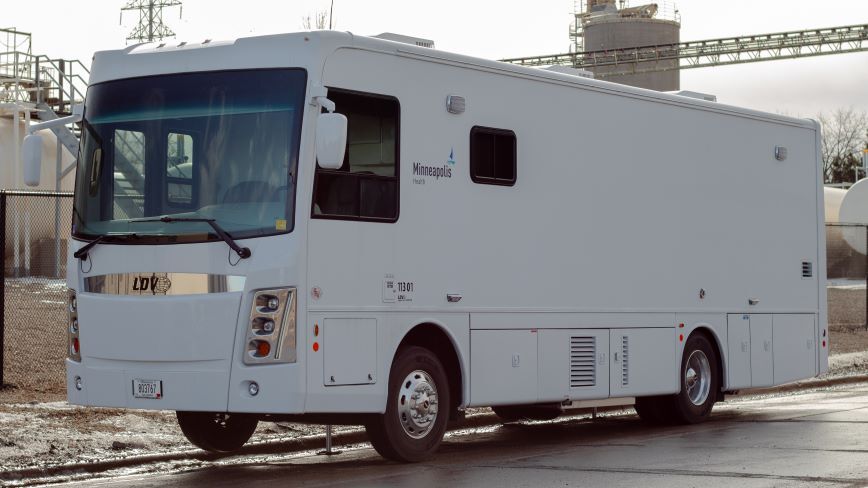 Access to healthcare should never be out of reach—and on the Northside, we’re bringing care directly into the community.
The Minneapolis Mobile Medical Unit (MMU) is now serving residents right here at Colonial Market (Lowry & Penn Ave N), offering convenient, walk-up medical care for those who need it most. Whether you’re dealing with a minor illness, need a check-up, or just haven’t had the time or access to see a provider, this is a simple way to get care no long wait times, no barriers.
Hours: 11:00 AM – 3:00 PM Saturday March 21
No appointment needed just stop by, get seen, and take care of your health.
This state-of-the-art mobile unit represents a major investment in the health and well-being of Minneapolis residents. Its work is focused on:
-
Reducing opioid overdose deaths
-
Increasing access to treatment
-
Promoting long-term recovery
-
Expanding access to medications for opioid use disorder (MOUD)
Staffed by medical professionals, the MMU also provides outreach and services beyond this location, showing up where care is needed most, including:
This effort is all about meeting people where they are breaking down barriers and making healthcare more accessible for everyone.
We’re grateful to our local partners, including Colonial Market, for helping make this possible and continuing to show what community care looks like in action. |