“Stay Air Aware” and breathe like you care
Air Quality Awareness Week May 5-9
Air quality issues affect everyone, especially those living with asthma or other breathing challenges. Air Quality Awareness week comes as we spend more time outside, and the backyard fires season begins.
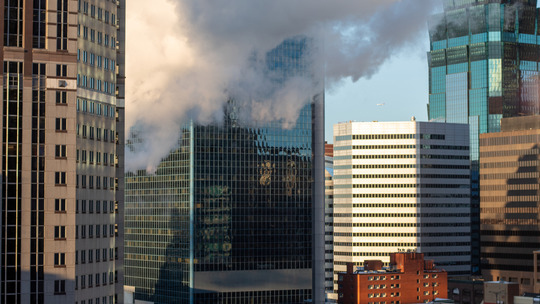 There are several steps you can take to reduce air pollution and protect your family at home.
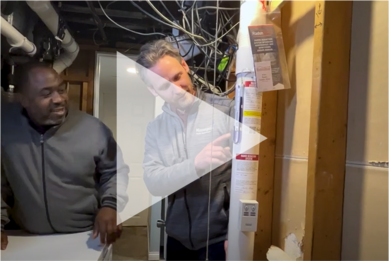
Watch how Gregory Wheeler kept his family safe by installing a radon system
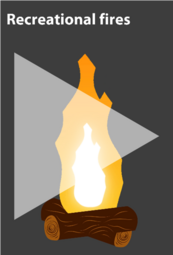
As spring heats up, so do the backyard fires. While they provide a place for friends and neighbors to gather, recreational fires contribute to 55% of the state’s poor air quality.
Be a good neighbor
 |
|
Poor air quality can have a significant impact on
people with health problems, older adults and children.
It can be linked to strokes, heart attacks, and asthma.
Remember to be Minnesota Nice.
- Limit fires
- Let neighbors know when planning a fire
- Skip fires on windy days and when smoke blows directly at a neighbor’s hous
- Be kind – don’t burn if your neighbor
has health issues
|
Follow Minneapolis City Ordinance
-
Recreational fires are only allowed between 9 a.m. and 10 p.m.
-
Keep fires small: Less than 3 feet wide and 2 feet high.
-
Keep fires at least 25 feet from buildings.
-
Don’t burn during air pollution advisory days.
- Burn when wind speeds are less than 10 mph.
-
Only burn untreated, unpainted, dry wood.
- Never burn cardboard boxes, trash, or debris.
- Be supervised by someone 18 years or older.
-
Use an above-ground fire pit.
-
Keep a hose or fire extinguisher nearby.
 |
|
Call or email 311 to register a recreational fire complaint.
|
Asthma triggers
The air quality in your home can trigger an asthma attack in people who live with the condition. Contributing factors include:
- Mold
- Pet dander
- Pests like cockroaches or mice
- Pollen
Our Healthy Home Specialists do free inspections for families with children under the age of 21 to:
- Identify sources of asthma triggers in your home
- Reduce asthma triggers
- Help children stay healthy and in school
Read more about our asthma program and request a free inspection
 |
|
Gas-powered yard equipment
Gas-powered yard equipment contributes to
climate change and is harmful to our health.
-
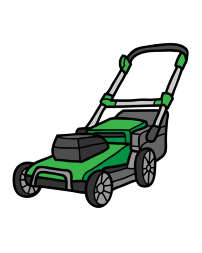
Running a gas-powered mower for an hour produces the same amount of pollution
as driving a new car 45 miles.
-
Consider switching to an electric or
push mower to help reduce pollution.
|
Vehicle exhaust is hazardous to our health and especially bad for children.
It’s linked to cancer, heart and lung disease, asthma, and allergies.
Shocking truths about vehicle idling:
-
Wastes more gas every 10 seconds than restarting your car.
-
Burns almost a gallon of gas every hour.
-
Excessive idling can damage your engine and exhaust systems.
In Minneapolis, idling is limited to 3 minutes (5 minutes for diesel trucks and buses)
except in traffic.
Turn off the engine to save money and provide a breath of fresh air.
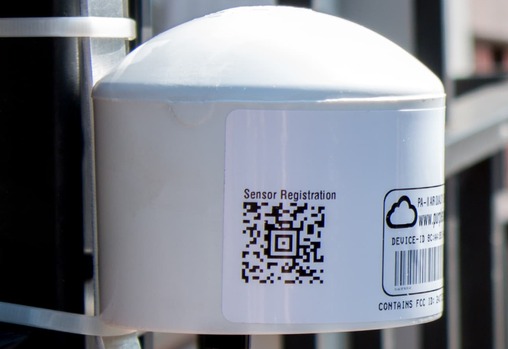
Minnesota is fortunate to generally enjoy good air quality. However, some areas are impacted more than others, especially lower-income neighborhoods and Black, Indigenous, and communities of color.

To help improve air quality, the City launched the community air monitoring project by installing sensors across the city, focusing on our most impacted areas. The sensors provide real-time information for residents to monitor air quality in their community.
-
2021: Green Zone community members identified areas of concern to place air sensors.
-
2022: Initial air sensors are installed in residents' backyards, focusing on environmental justice communities.
-
2023: Additional sensors are installed on City-owned light poles, providing screening-level data about air toxics.
-
2024: Air sampling begins. A lab analyzes samples for detailed information about air toxics in areas of high pollution.
-
Coming soon: The City’s goal is to place at least one air sensor in every neighborhood.
|
Our Story
We protect the environment, prevent disease and injury, and promote healthy behaviors. Our recent stories include:
- Breaking ground on our biochar facility
- Mental Health Awareness Month
- Minneapolis awarded 2025 Vision Zero
Read our story
|
|