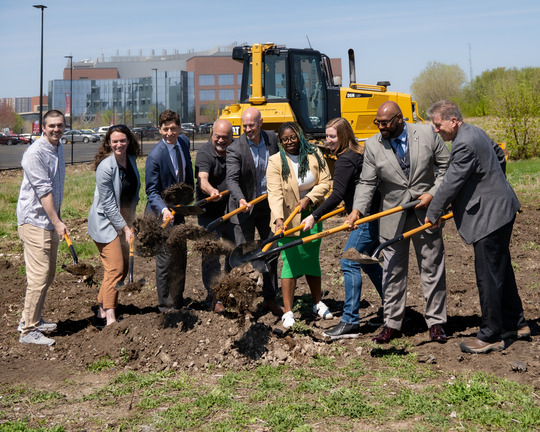
 Mayor Frey, Minneapolis Health Department and partners break ground
The City of Minneapolis broke ground on the first city-owned and operated biochar facility in North America on April 30.
The facility will be located at 670 25th Ave. SE and have the capacity to annually:
- Process over 3,000 tons of wood waste
- Produce over 500 tons of biochar
- Remove nearly 3,700 tons of carbon dioxide, which is the equivalent of taking over 789 cars off the road
The Biochar Program is one of the many ways we are reducing our impacts on climate change and increasing climate resilience. Biochar production is scheduled to begin in the fall.
Watch the news conference announcing the groundbreaking of the facility
Harvesting hope – how biochar came to Minneapolis
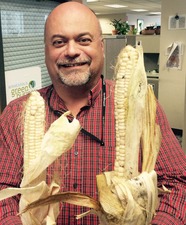
How Jim Doten's Decade-Long Journey Led to Minneapolis' Biochar Innovation
From the villages of Afghanistan to the City of Minneapolis, Jim Doten’s work could reshape our city’s agricultural and forest future.
Jim, the Health Department’s Carbon Sequestration Program Manager, had dedicated his life to improving the food system around the world. Now, he’s using his expertise to bring the benefits of biochar to our city. His dream is a decade in the making.
|
From Afghanistan to Minneapolis
In 2011, Jim paused his employment at the Minneapolis Health Department to serve his country as a hydrologist in Afghanistan.
Seven thousand miles away from home, Jim helped the people rebuild and improve the country’s food system in villages 100 miles east of Kandahar. The task was challenging due to poor crop conditions and depleted soil. While researching soil restoration, Jim discovered biochar – a special type of charcoal.
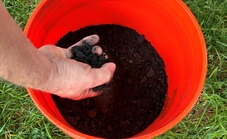
What is biochar
Biochar is a special type of charcoal produced by heating woodchips (or other organic material) at high temperatures. The process of making biochar turns the wood chips into a long-lasting form of carbon that won’t re-enter the atmosphere.
Biochar is used as a soil amendment to provide many environmental benefits that:
- Improve soil quality.
- Increase nutrients for plants.
- Reduce pollution in our soils.
- Treat stormwater runoff.
|
Back home
When Jim returned to the Minneapolis Health Department in 2013, he brought the idea of biochar to his boss. They found that:
- Fruits and vegetables grew better.
- Crops were healthier and bigger.
- Less water was needed to grow the crops.
Jim started up a pilot program in the Green Zones where community members had limited access to healthy food. His initial efforts were with the city’s Native American community working with the Shakopee Mdewakanton Sioux Community. The program was a success, helping produce healthier food and more of it.
|