|
Hello, and welcome to the January 2024 edition of the Sustainability, Healthy Homes, and Environment newsletter.
The U.S. EPA's Climate Pollution Reduction Grants (CPRG) program will offer $4.6 billion in competitive grants for states, local governments, and tribal nations to reduce greenhouse gas emissions and other harmful air pollution.
Minnesota's Priority Climate Action Plan (PCAP) describes near-term, high-priority, implementation-ready measures to reduce climate pollution in our state. To be eligible for federal CPRG grants, projects must be described in the plan. This plan covers the entire state, enabling eligible entities within Minnesota, including the state, municipalities, and Tribal Nations, to apply.
To develop the draft PCAP, state government drew from previous engagement efforts supporting Minnesota’s Climate Action Framework and solicited ideas from the public for additional climate action projects.
The state has released a draft of Minnesota's PCAP and is accepting input from the public before finalizing. Please provide feedback before Sunday, Jan. 28.
Share your feedback here
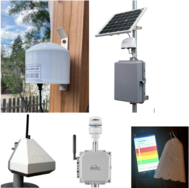
Communities in the Twin Cities seven-county metro have $4.8 million in grants available to install air sensors in environmental justice areas. The grants are available to non-profit organizations to implement a community air monitoring network in neighborhoods that may have higher levels of air pollution.
Before the MPCA releases its community air monitoring grant application, they are seeking community feedback on how best to implement these grants and gauge the level of assistance non-profits may need to apply for the grants, install the sensors and report data to the MPCA.
To help answer some of their questions, the EPA has developed some resources to help community members setup and maintain air quality sensors. There are six short videos to help inform your feedback and responses to MPCA's questions. Watch the videos here.
Please answer MPCA's questions and provide any feedback by Feb. 9, 2024, by using their online survey
|
Environmental Initiative is accepting nominations for the 2024 Environmental Initiative Awards now through Feb. 12.
EI needs you to help them recognize exciting work across Minnesota by nominating people and projects crafting collaborative solutions to our most pressing environmental issues.
Project categories:
- Community-led collaboration
- Energy & climate
- Environmental innovation
- Rural vitality
Individual categories:
- Critical collaborator
- Emerging leader
Nominate a person or project
At the Summit you'll connect with fellow neighbors and organizers to raise awareness and advance environmental justice actions in our city.
-
Recycling and zero waste
-
Virtual environmental justice tour
-
East Phillips Neighborhood Institute’s new resilience hub
-
Collaborative federal grants workshop
When: Saturday, Feb. 17 from 9 a.m. to 4 p.m.
Where: Minneapolis Convention Center: 1301 Second Ave. S.
A green zone is a group of neighborhoods with:
· High levels of environment pollution.
· Racial, political and economic marginalization.
Homegrown Minneapolis is pleased to announce a funding opportunity for projects related to urban agriculture and addressing wasted food. This funding opportunity is part of the City's Climate Legacy Initiative.
The following projects are eligible for funding:
- Sustainable growing: educational programming and/or access to materials, equipment, water, lighting, and other resources for growing food using sustainable production methods
- Season extension: Construction and use of energy-efficient season extension/controlled environment growing structures for fruit and vegetable production
- Prevent wasted food: Reduce wasted food in the city through prevention, food rescue, and composting
Organizations can apply for $5,000 - $25,000. The deadline to apply is Feb. 14. Late submissions cannot be accepted.
Look for and select "RFP for 2024 Homegrown Minneapolis Community Projects" on the E-Supplier portal
Are you looking to do an energy efficiency, solar, or air pollution reduction project at your business or property?
Apply online by Feb. 1 to the City of Minneapolis’ Green Cost Share Program!
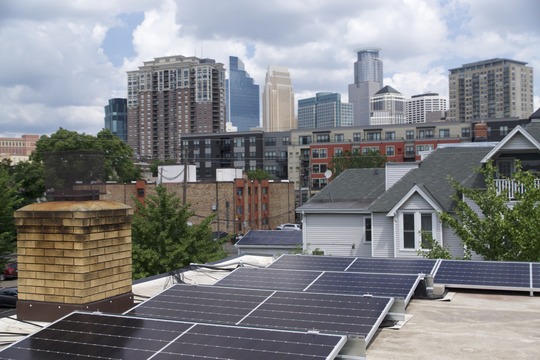 About the Green Cost Share Program
The Green Cost Share program is a grant program helping reduce the cost of rooftop solar and energy efficiency projects in Minneapolis. Eligible projects include, but are not limited to:
- Rooftop solar
- LED Lighting retrofits
- High efficiency heating and cooling systems upgrades
- Insulation and air sealing
Who is eligible?
Eligibility varies by category, but generally includes non-profits, small businesses, industrial properties, and multifamily residential properties.
I am a single-family homeowner, can I apply?
Currently single-family homes can apply for this grant opportunity if in the Minneapolis 4d Affordable Housing program, or as a part of a solar group purchase.
In February the Green Cost Share program will announce separate energy efficiency funding opportunities for single-family homes. Stay tuned for more information.
Future deadlines
April 1, June 3, and August 1.
For more information, visit our website or email us at GreenCostShare@minneapolismn.gov
Position Description
Are you a person who has experience developing and growing relationships, decarbonizing building energy systems, managing projects and proposing innovative solutions? The Sustainability office is seeking a full time, Sustainable Building Performance Coordinator focusing on commercial and industrial building decarbonization as part of the Division of Sustainability, Healthy Homes, and the Environment (SHHE) in the Minneapolis Health Department. The position will work with other city staff, community members, business owners, and institutions to support the implementation of commercial building energy audit recommendations. This position will also collaborate with Businesses, City staff, Consultants, other Cities across the country as part of a federally funded Innovation Hub to achieve the City’s net zero Green House Gas (GHG) emissions by 2050 goal.
Minneapolis depends on purposeful, dedicated, and innovative employees who come from all backgrounds. Minneapolis encourages LGBTQIA+, BIPOC and immigrants to apply for a position that can build into a career. Minneapolis has a large variety of careers for people of all experiences and backgrounds who come together for a singular purpose--serving the residents, businesses, and visitors of Minneapolis.
See the full job posting
Applications are due Feb. 5
Environmental Justice Thriving Communities Technical Assistance Centers (EJ TCTACs) are now accepting technical assistance requests.
EJ TCTACs help remove barriers and improve access to grants for environmental justice communities. Learn more about EJ TCTACs
If you're interested in technical assistance for the Community Change Grants $2 billion Notice of Funding Opportunity, find more information here.
Going solar is a great way to reduce your energy bill and help the environment. By going solar you lock in the cost of your electricity and can see significant savings, especially as electricity prices increase over time.
If you’re looking to go solar but don't know where to start, Solar United Neighbor's (SUN) Twin Cities Area Solar Co-op may be for you.
Solar co-op
A solar co-op is neighbors coming together to get the best price from a vetted solar installer by using their group buying power. SUN is one organization that will help solar co-op members access the Minneapolis Green Cost Share funds to cover part of the cost. Low-income homeowners may be eligible for substantial financial incentives that cover the majority of the cost.
Go solar today
Now is a great time to go solar and the solar co-op makes going solar easier and more affordable. Homeowners may be eligible for the 30% Federal Solar Investment Tax Credit.
Learn more at an upcoming webinar that will cover the basics of solar, the economics of solar and how the solar co-op works.
Joining is easy and free with no commitment to go solar.
Learn more about Solar United Neighbors
|