 Performing a Job Safety Analysis
A Job Safety Analysis (JSA), sometimes called job hazard analysis, is a formal process of identifying potential job hazards and developing hazard prevention measures.
Steps to performing a Job Safety Analysis include:
- Select the job to be analyzed
- Break down the job into a sequence of tasks or steps
- Identify the potential hazards at each step
- Develop preventative measures or safeguards to reduce or eliminate each potential hazard
Poisonous Plants
One of the most common workplace nuisances during the summertime are poisonous plants, particularly poison ivy, poison oak, and poison sumac. Touching the plant itself or anything that has the plant’s oil on it, such as gardening tools, sporting equipment, and pet’s fur, can cause an allergic reaction which may be mild or in some cases so severe that medical attention is necessary. It can also be inhaled if the poison plants are burned.
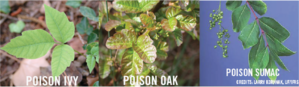 Rash Prevention – Wearing long sleeves, long pants tucked into boots, and gloves when working around potential poison-ivy infested areas; an ivy block barrier cream may also protect your skin from absorbing the oil.
Rash Treatment – Immediately rinse the affected skin with lukewarm, soapy water; wash your clothing and everything that may have the oil on its surface. Do not scratch, as scratching can cause an infection; Consider calamine lotion or hydrocortisone cream.
Contributing Authors:
Thomas French - Mine & Cave Safety Program
Amanda Bestgen - Missouri Workers' Safety Program
|
 Sign-Up for Mine & Cave Safety Training
Free on-site training and consultation are available, and will be tailored to your site. A brief consultation and inspection audit will be arranged by one of the Division's Mine Safety and Health Administration - (MSHA) certified instructors to determine your needs.
Consultation Services are offered on the following topics: safety and loss control, MSHA training plan, evacuation plans, ventilation plans, substance abuse, cardiopulmonary resuscitation, hazard awareness, hazard elimination, job safety analysis, 30 CFR Parts 46, 48, 56, 57 and 77, accident investigation, revised Missouri statutes, and site inspections.
Owner/operators, contractors, sub-contractors, and vendors to the mining community can contact the Mine and Cave Safety Program at 573-522-2917 or minecavesafety@labor.mo.gov for more information.
Sign-up for Course Training: https://labor.mo.gov/DLS/minecave/course-registration
 Upcoming Events
Safety and Health Program Management Training – August 28
This is a free class offered by the Missouri On-Site Safety and Health Consultation Program. Attendees will learn how to develop a fully functioning safety and health management program. Space is limited, so reserve your seat today! www.labor.mo.gov/safe
 |