|
In this issue
The Metropolitan Council has taken many steps to change our operations and policies in response to the spread of COVID-19, also known as the coronavirus. While the situation continues to evolve, we know we must do everything we can to help our customers and employees stay safe while continuing to provide the essential services our region depends on.
It’s not exactly business as usual, since many of our staff are teleworking and our in-person interactions are now virtual. But we’re continuing to provide essential services, including transit, wastewater, and housing through our Metro HRA.
We’re also interested in knowing if there are ways we can support our partners in local government as you also respond to this changing situation. We’re here to continue to support long-term planning efforts, any data needs you may have, or any questions you have about our role in providing funding for transportation, regional parks, and other programs.
This newsletter helps summarize some of the work we’re doing related to COVID-19, including efforts to combat the spread and help our region’s residents stay connected, even though they can’t physically be together. Learn more about our response on the Met Council website or subscribe to email updates.
Met Council Operations
- Much of the Met Council’s work, including transportation systems and wastewater treatment, is critical infrastructure and will continue to operate. Following Gov. Walz’s stay-at-home order, Met Council facilities will be closed to the public until at least May 4. Staff who can perform duties remotely are teleworking.
- The Met Council will continue to hold meetings to conduct essential business. In accordance with Gov. Tim Walz’s stay-at-home order, official business meetings will be conducted remotely, under Minnesota Statutes, section 13D.021. Where possible, meetings will be streamed live and recorded. Alternatives will also be offered, when necessary. We encourage you to follow the action remotely.
Metro Transit
- Metro Transit reduced service on March 25 and is encouraging essential trips only and social distancing for riders using transit. Overnight service has been suspended, and extra cleaning and disinfecting is being implemented.
- Riders are required to board and exit from the rear door of the bus to limit exposure to our bus operators, unless the rider requires use of the ramp at the front of the bus for mobility purposes.
- More information on all Metro Transit services can be found on our website.
Metro Mobility
- Metro Mobility is encouraging essential trips only and has been largely able to provide individual rides for passengers to help with social distancing.
- Starting April 13, Metro Mobility is offering a free on-demand ride service for essential health care workers in the Twin Cities region.
- All transit vehicles are pulling in for disinfecting multiple times a day. Drivers are issued hand wipes or have disinfectant spray and towels to wipe after each customer.
- Metro Mobility launched a grocery drop-off system on March 22. The customer orders groceries from a grocery store or food bank and a Metro Mobility driver picks up the groceries and delivers them to the customer. More information is available on our website.
Transit Link
- Transit Link is encouraging essential trips only and has been largely able to provide individual rides for passengers to help with social distancing.
- All transit vehicles are pulling in for disinfecting multiple times a day. Drivers are issued hand wipes or have disinfectant spray and towels to wipe after each customer.
- Transit Link launched a grocery drop-off system on March 25. The customer orders groceries from a grocery store or food bank and a Transit Link driver picks up the groceries and delivers them to the customer. More information is available on our website.
Regional Parks
- Regional trails and outdoor aspects of regional parks are open, though most shelters, indoor spaces, and restrooms are closed to the public. Plan accordingly for your visit.
- Remember to allow for at least six feet of distance between you and others if you do use regional parks and trails. We encourage you to try a regional park outside the denser, central cities if you aren’t able to maintain a safe social distance, such as Whitetail Woods Regional Park and Miesville Ravine Park Reserve.
Metro HRA
- Metro HRA has discontinued support for walk-in customers.
- Metro HRA is changing inspection processes.
- More information is on our website.
Wastewater Treatment
- Staff continue to provide this essential service for the region.
- No wastewater service disruptions have been reported.
Upcoming Deadlines

The Metropolitan Council and cities around the region are battling a growing problem: people are putting materials like “flushable” wipes, feminine hygiene products, grease and oils, rags, and other materials into the sanitary sewer system. This stuff doesn't dissolve in water, and it causes expensive problems like clogged pipes and pumps, and sewer back-ups into homes. What we flush may also impact the environment.
|
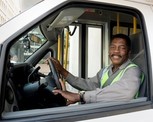
Certified Metro Mobility customers and existing Transit Link customers can now order delivery for groceries and household essentials purchased online from a store that has online shopping and local pick up. Metro Mobility and Transit Link will also drop off food shelf deliveries. We will pick your order up and deliver to your house. And the service is free — no fares for delivery.
|
Starting March 12, the U.S. Census Bureau began mailing letters to all known residential addresses. In the midst of the COVID-19 outbreak, it’s critical that we take this opportunity to get an accurate count of who is living in the Twin Cities! The Met Council will use census counts during the next nine years to estimate annual population for communities in the metro area. The estimates are the official counts for state government purposes, including the distribution of local government aid, local street aid, and fiscal disparities tax-base sharing.
|
We enjoy a high quality of life in our region. Every day, essential employees from all over the region are working to maintain our basic needs (grocery stores, child care, health care) and public infrastructure: our roads and transit systems, sewer and water systems, parks and other amenities. View Chair Charlie Zelle’s message emphasizing how grateful we are for the services people provide each day and how we’re adapting during this time to support our region. |