|
In this Issue
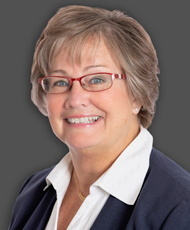
This has been a busy year at the Met Council. Council Member Deb Barber and I were reappointed earlier this year, and we have fourteen new colleagues we have been helping get up to speed on the work of the Council. There are many projects proceeding around the metro as well. This summer and fall, we opened up the METRO C Line bus rapid transit (BRT) that runs from downtown Minneapolis to the Brooklyn Center Transit Center, and we broke ground on the new METRO Orange Line, a BRT line that will run from downtown Minneapolis to Burnsville along I-35W. The Orange Line will provide another improved transit option for the people of Dakota County, with fast, frequent, all-day service. We are also working with officials from Dakota County, Burnsville, and Lakeville to explore ways to extend service farther south, including the Burnsville Mall area and the Kenrick Avenue Park and Ride.
In 2020, Metro Mobility will be expanding into Lakeville, which the city has long sought for seniors and residents with disabilities. Representative Jon Koznick had been working on legislation to expand the service area for several years. The bill, which passed this year, included provisions that allow the MN Department of Health and Human Services to coordinate and bill the federal government for Metro Mobility services. Thanks also go to Senator Dan Hall, the Senate bill sponsor, and Lakeville resident Nick Jones for testifying. It’s been good to see so many people working together to make this service better for the region’s residents.
Our regional wastewater system continues to win national awards for high quality, affordable, and innovative service. The Hastings Wastewater Treatment Plant has the third-longest record of compliance with environmental permits in the entire country at 28 years. The Empire Plant has 11 years of compliance, and the Council recently approved a construction contract that includes improved energy generation from the byproducts of our treatment system. We are also partnering with the Kemps Creamery in Farmington on using the whey from the creamery to help our plant run more efficiently.
The Legislature also approved funds for residential water efficiency rebates. The cities of Apple Valley, Farmington, and Lakeville will be administering grants to their residents for low-flow toilet replacement, irrigation controllers, and efficient clothes washers to reduce the demand for clean water from our aquifers.
Whether it’s connecting people to better transit options, great parks, or keeping our water clear, I know we have exciting opportunities to pursue as a region and in our own communities. I want to help support when communities are doing new and exciting things to address these issues. Let me know how we can help your community.
Thanks and hope to hear from you,
Wendy
 |
|
Up to 80% of excessive inflow and infiltration of stormwater and groundwater into the wastewater collection system comes from private property sources. Addressing those sources is critical to protecting public health and ensuring the wastewater system can handle future population growth. A Council demonstration grant will target private property sources. |
In Rosalind Graham's world, every dollar counts. So when Metro Transit introduced a fare program that would allow her to ride for $1, she welcomed the opportunity to cut costs. Now she rides transit multiple times a week to get to and from work, applying the savings to housing and other expenses.
|
|
 |
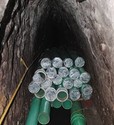
A regional interceptor cleaning project this year on Saint Paul's West Side has been an interesting mix of technology, geology, and sewer design and construction dating back to the 1930s. A 2015 inspection showed that the hand-mined sewer tunnel had filled with debris – 114 tons worth. How the sewer was cleaned and repaired.
|
|