 November 2026
Just for Fun
A Minnesota tradition: watching the weather forecast and wondering when winter will officially arrive. One day we’re enjoying a beautiful fall afternoon, and the next we’re digging through the closet for winter coats, hats, and mittens.
As we head into late fall and winter, here’s a fun question to kick things off:
If you could plan the perfect Minnesota winter day, what would it include?
- Building a snow fort or having a snowball fight
- Sledding, skiing, or snowboarding
- Staying cozy indoors with a good book, movie, or game
- Hot chocolate and a favorite winter treat
- Heading somewhere warm and pretending Minnesota winter doesn't exist!
Whatever your answer, we hope you find a little time this season to enjoy something fun, try something new, and connect with the people around you.
What’s included this month?
- Note about Work Experiences
- Fall Opportunities: Independent Living Skills Lab, Peer Ambassador Chill and Chat, and College 101
- A New Minnesota Resource: https://knowyouraccess.org/
- Recent Blind Abilities podcasts
Work Experience: Building Skills for a Successful Future
Thinking about getting a job might seem like something that can wait until after high school, but gaining work experience while you're still in school can make a big difference in preparing for your future. Research consistently shows that early work experience is among the strongest predictors of post-school employment, economic sufficiency, and long-term career success for students with disabilities.
Whether it's a summer job, an internship, a part-time position, or another opportunity to explore the world of work, every experience is a chance to learn something new. Work experience helps students develop important skills such as communication, teamwork, problem-solving, time management, and self-advocacy. It also provides an opportunity to learn about different careers, discover personal strengths and interests, build confidence, and understand workplace expectations.
Work experience is also a valuable opportunity to practice using assistive technology, advocating for accommodations, navigating unfamiliar environments, and figuring out what tools and strategies help make a workplace accessible.
How Can SSB Help?
You don't have to figure it all out on your own! SSB works with students, families, and school teams to help young people prepare for life after high school, including employment.
Your SSB counselor can help you:
- Explore career interests: Discover different occupations and learn about potential career paths.
- Find work experiences: Research opportunities for summer employment, internships, job shadowing, and other hands-on experiences.
- Build workplace skills: Develop communication, teamwork, problem-solving, and other skills employers value.
- Prepare for employment: Practice interviewing, resume writing, completing job applications, and navigating the job search process.
- Develop workplace readiness skills: Learn how to use assistive technology, request accommodations, and advocate for your needs in the workplace.
A Message for Parents and Educators
Encouraging students to pursue work experiences early can help them develop independence, confidence, and valuable skills that carry into adulthood. Even seemingly small opportunities can make a meaningful difference. Consider helping students explore summer employment, community-based work experiences, internships, volunteer opportunities, or connections with local employers.
It's never too early to start talking about employment goals and identifying opportunities for students to gain experience.
Ready to Get Started?
Talk with your SSB counselor about your interests and employment goals. Together, you can discover opportunities and develop a plan to gain valuable work experience. Your future career starts with the experiences you build today.
Fall Opportunities
Peer Ambassadors Chill and Chat
Hello students:
The Peer Ambassadors are hosting a virtual Chill and Chat from 6:30 to 8 pm on Tuesday, December 8th, which is open to all students. We would love to hear your feedback on next steps for potential events and volunteer opportunities. Even if you don't have any suggestions, you should definitely come to just hang out and connect with other students who are blind or low vision.
We created a FaceTime link for everyone to join. No worries, you do not need an Apple device to access this. Simply click the link below on any device, enter your name, and join our Chill and Chat.
It's going to be a great time, and we hope to see you all there!
Click here to join the Chill and Chat on December 8th at 6:30 PM
Sincerely, Ava Huggins and Preston Rose
Saturday Independent Living Skills Lab – Second Saturday of Each Month
We’re excited to continue a new series of Saturday Independent Living (IL) classes held on the second Saturday of each month through May, with the next class on December 12th. Classes will run from 9:00 a.m. to 12:00 p.m. and are designed to help you build everyday skills that support confidence and independence.
Throughout the year, we’ll explore topics such as clothing and personal hygiene, preparing cold and hot meals, dining skills, cleaning, using technology for independence, basic first aid and medication management, and even navigating a grocery store. Each session will offer hands-on learning and practical tips you can use right away.
If you’re interested in joining these sessions, please email kia.sadler@state.mn.us to sign up. We’re looking forward to creating a fun, supportive space to learn, grow, and build useful skills together.
College 101: Getting Ready for College
Thinking about college? Wondering what life as a college student will be like? What changes when you move from high school to college, and what skills will you need to succeed?
Join SSB and current college students for an interactive College 101 event designed to help blind, low vision, and DeafBlind students start preparing for life after high school.
What to Expect:
College comes with new opportunities, responsibilities, and expectations. You will learn about some of the skills that can help you make a successful transition to higher education, including:
- Self-Advocacy: Taking charge of your accommodations and communicating with professors.
- Assistive Technology: Using technology to access textbooks, complete assignments, and keep up with coursework.
- College Expectations: Understanding what's different about college compared to high school.
- Independence & Organization: Managing your time, navigating campus, and keeping up with academic responsibilities.
Have questions about what college is really like? You'll have an opportunity to hear directly from current blind and low vision college students. They'll share their experiences, talk about what they've learned along the way, and offer advice to help you prepare for your own college journey.
There will also be plenty of time to ask questions and connect with others.
Who Should Attend? Blind, low vision, and DeafBlind high school students considering college, along with their parents, family members, and teachers.
When: Wednesday, December 16, 6:00–7:30 PM
Where: Virtually on Zoom
How to Register: Please complete the registration form at College 101 Registration. You will be emailed a calendar invite with the link to join upon registration.
Not sure if college is right for you yet? That's okay! Come learn, ask questions, and explore what's possible. We hope to see you there.
Resources and Activities
SSB Peer Ambassadors
Two SSB students are leading peer-to-peer programming across the state to support students who are blind, low vision, or DeafBlind. They are available for one-on-one peer discussions and will host virtual and in-person group activities. Contact SSB to learn more!
4to24 Application
4to24 is a free, accessible web-based app designed to help parents, youth, and professionals support the transition of children and young adults who are blind, have low vision, or are deafblind with additional needs. It provides information, activities, and resources to support skill development and experiences in education, employment, independent living, and community participation.
Made in Minnesota, designed to connect people with resources: Know Your Access
Have you heard of Know Your Access? This is a great resource worth bookmarking.
Created by a fellow Minnesotan, Know Your Access brings together a comprehensive collection of local programs, services, financial assistance, and everyday resources for Minnesotans who are blind, have low vision, or are DeafBlind.
Whether you're a student, parent, or someone who works with individuals with vision loss, this website can help you discover resources and support available throughout Minnesota. From finding helpful services to exploring programs and financial assistance, it's a great place to start when you're looking for information or wondering what resources might be available.
Take a few minutes to explore the website and see what you might discover.
Check it out: https://knowyouraccess.org/
Minnesota Accessible Activities Calendar
https://calendar.mnaccess.org/ lists events happening around the state that include accessible services and accommodations, such as audio descriptions, American Sign Language, captioning, sensory-friendly accommodations, and artists with disabilities or events on disability-related topics. Search by day, month, or type of service or event you're interested in, and check out what's happening across the state.
EMPOWER VI
EMPOWER VI aims to “equip transition-aged students with visual impairments living in rural communities, their families, and the transition professionals who serve them with virtual support to improve postsecondary education and employment outcomes.” These virtual programs create opportunities for connection and support, especially for those in rural areas who may not have access to in-person resources.
SSB Communication Center
The Communication Center puts your books into accessible formats that work for you. Custom audio, e-text, DAISY markup, and Braille – we can do it! The Communication Center is Minnesota’s Accessible Reading Source – we’re here for you. Email us at ssb.audioservices@state.mn.us
PACER
PACER Center “enhances the quality of life and expands opportunities for children, youth, and young adults with all disabilities and their families so each person can reach their highest potential. PACER operates on the principles of parents helping parents, supporting families, promoting a safe environment for all children, and working in collaboration with others.”
Visit pacer.org/workshops to view a list of their upcoming workshops, including Social Security Disability: Applying and Qualifying for Benefits, Navigating the road to work: Building Supports, Understanding special education: Process and rights, Walking Together: Back-to-school and the special education journey, and much more!
Disability Hub MN
“Disability Hub MN is a free resource network that helps you solve problems, navigate the system, and plan for your future. We support you in creating your best life.” This website offers resources on disability benefits via the DB101 website and many employment resources for individuals with disabilities. Visit the Disability Hub website for more information. They have a chat feature and a call-in number for questions or specific resources.
Youth in Transition Toolkit – This toolkit will introduce you to Minnesota's youth in transition framework. Explore tools and resources you can use with the youth you support to plan for their best lives.
APH
APH CareerConnect is “an employment information resource offered by the American Printing House for the Blind for job seekers who are blind or visually impaired. CareerConnect provides employment information, career exploration tools, and job-seeking guidance for individuals with vision loss and the professionals who work with them.” Visit their website at aphcareerconnect.com to learn more. Check out their updated Getting Started Guides, featuring guides for families from birth to 3rd grade and 4th to 12th. Archived APH webinars are available on the APH ConnectCenter YouTube page.
Minnesota Association of Blind Students (MNABS)
MNABS comprises blind students from all walks of life—traditional, non-traditional, and everything in between. At our core, we’re more than just a division; we’re a community of friends supporting one another through the shared experiences of blind student life and beyond.
Whether you’re navigating academics, looking for professional development opportunities, or just seeking connection with others who “get it,” we’re here for you. Throughout the year, we host a variety of events—some social, such as our hot chocolate and white elephant holiday gathering, and others more focused on building confidence and advancing careers. For example, we’ve held an employment seminar where blind students and professionals from different fields shared their stories and insights.
Join our MNABS WhatsApp Community — come see what MNABS is all about, and how much stronger we are when we support each other. And if you’d like to learn more, have questions, or just want to say hello, feel free to reach out to anytime at students@nfbmn.org.
Blind Abilities Podcasts
Visit Blind Abilities online at http://www.BlindAbilities.com. You can also download the app from the Google Play Store or activate the Blind Abilities Alexa skill on your Alexa device by saying, “Alexa, enable Blind Abilities.”
Here are some of the people and topics featured on Blind Abilities recently:
If you know a student who is interested in sharing their achievements, Blind Abilities would love to feature their perspective. Send a note to info@blindabilities.com
Website Updates
Check out SSB’s Youth Services website to learn about upcoming events, access archived newsletters, read transition flyers, watch student videos, and more!
Tech Tidbits
Vispero/Freedom Scientific has released new versions of Jaws, ZoomText, and Fusion. Eligible users can look for updates in their current software, or find more information on the Vispero/Freedom Scientific website:
https://www.freedomscientific.com/
Vispero also has some recent training webinars that cover a variety of topics like using AI, and their most recent episode on the new features of Jaws, ZoomText, and Fusion:
https://www.freedomscientific.com/training/freewebinars/archivedwebinars/
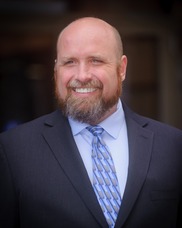
Fast Forward: Potential and Possibilities – Jeremy Grandstaff
 |
|
In sixth grade, I arrived at public school with an Apple IIe computer and a confidence act that deserved its own report card.
Most of my classmates had known each other for six years. I knew nobody. Whenever I needed a reader or help taking a test, my blindness got an introduction before the rest of me did.
I wanted friends. I wanted to belong. Mostly, I wanted to stop wondering whether I belonged.
You probably wouldn’t have guessed any of that. I looked confident because I worked hard at looking confident. Inside, I felt like I couldn’t afford to fail. I wasn’t even comfortable using a cane or talking about my blindness. Most people already knew I was blind and weren’t particularly bothered. I was doing enough worrying for all of us.
That struggle followed me through junior high and high school, right alongside a fairly adventurous life. I marched in the band, wrestled, barrel raced on horseback, and rode a motorcycle. My parents instilled a drive to explore what was possible. As the oldest, I wanted my sister and brothers to feel that possibility, too.
My parents did not, however, endorse every bright idea I had. Sometimes my determination to avoid being labeled “the blind kid” produced choices that were, shall we say, light on wisdom.
Looking back, I regret how much energy I spent trying to fit in. I was busy proving blindness wouldn’t define me while letting my fear of that label influence my decisions. That took a while to untangle and to my parents credit, “be yourself” was all they really wanted.
Years later, as I grew into being an expert in organization development, collaboration, and facilitation, I found myself facing a problem that confidence couldn’t charm its way around. Groups generated ideas and posted them all over the walls. A sighted facilitator could scan for themes. I couldn’t.
There it was again. How was I going to do the job if I couldn’t do it the way everybody expected?
I changed the process. Participants voted on priorities, interpreted the results, and reported back to the room. They could say, “What we said was…” and explain their own conclusions. People listened to one another and took ownership of the work.
The approach I developed because I was blind gave the group more involvement in its own decisions. I had spent years trying to fit in, and here was a reason to appreciate working differently.
Computers and braille devices helped me get there. So did blindness skills, curiosity, and becoming more comfortable explaining what I needed. I learned to ask for help and keep trying when an approach didn’t work. My drive to improve became much more useful when I gave myself permission to be learning.
I wish I could tell that sixth grader to stop making confidence an entrance requirement. Practice while you’re nervous. Prepare, get support, and give yourself a chance to improve. You don’t have to maintain a perfect confidence act to earn another try.
I’d also tell him he could talk about what he brought to a group and what he needed to participate in the same breath. “I have ideas to contribute, and I need materials I can read” is a perfectly reasonable sentence. So is “Can you help me figure this out?” Sighted people ask for help all the time. They have somehow survived the embarrassment.
Today, as a facilitator, coach, organization strategist, and even as the executive director of the Inspiration Foundation, I care about the skills people develop through living with varying abilities. Adapting a process, communicating a need, and collaborating on a solution are things teams need. I want young people to recognize those abilities in themselves.
Educators and employers have responsibilities here, too. Confidence won’t make inaccessible materials readable. We can bring ideas and work together on access without expecting one person to solve everything. Find people who recognize your potential and care enough to challenge you. Let them know when you’re still figuring things out.
This month, pick something you’ve been holding back from trying. Tell someone what interests you, what you can contribute, and what would help you get started. Agree on one step together.
I spent a lot of years auditioning for “normal.” I’d rather spend the next ones being curious about what’s possible. What would you like to try?
|
 |
|
Building BRIDGEs
As students navigate the world of high school and begin thinking about the future, we offer services and resources that provide a foundation for success. Each of the core areas of our BRIDGE framework highlights an essential component that teenagers need in order to succeed after high school:
-
Basic Skills
-
Role Models
-
Initiative
-
Discovery
-
Goal Setting
-
Experiences
|
Vision Loss Disclosure
When should vision loss be disclosed to an employer? Every situation is different, and here are three resources that can help you decide this question:
Miscellaneous resources and articles
Ideas?
We are always looking for ideas you’d like to see featured in this newsletter. Please email shane.desantis@state.mn.us with any suggestions or brainstorming.
|