 October 2025

From protecting pollinators and water quality to adding nutrients to your lawns, there is a lot to know about fall leaves and lawn care.
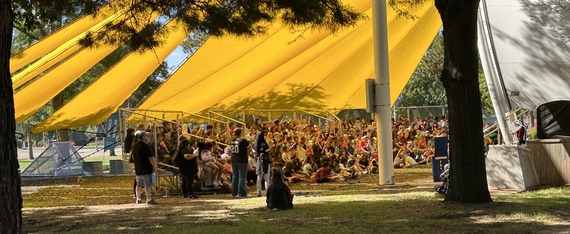 Students attending the Science Museum of Minnesota's presentation WATER!
Over 1,600 students gathered at the Minnesota State Fair grounds in September for the Metro Children's Water Festival. This festival invites 4th grade classrooms from across the 7 county metro area to come for a day of learning about Minnesota's waters. The festival educates, motivates, and challenges students to understand, conserve and protect waters including lakes, rivers, wetlands, and groundwater.
What they learn
Students attend a variety of learning stations, examining erosion through simulated rainfall events, exploring the incredible journey of a water molecule as it goes through the water cycle, discovering the abundance of aquatic life in our waters, and learning about the challenges our waters face and how they can be part of the solution.
More water education
Educators, families, and students can access numerous water education resources as well as a virtual festival to continue exploration of water.
The festival is free to 4th grade classrooms thanks to more than 20 sponsors who provide financial and in-kind donations. Carver County Water Management Organization is one of the lead agencies for this great event that brings water education to many students.
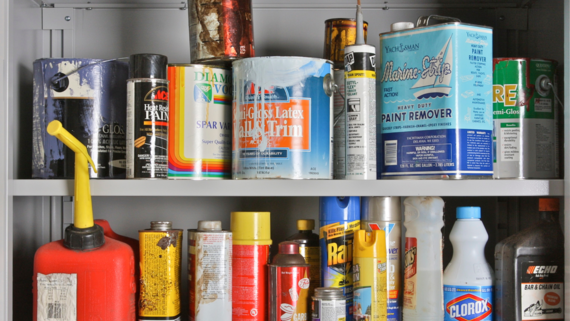
As fall settles in and winter weather approaches, it’s time to look through your home, garage, or shed and take stock of your household hazardous waste. Once the temperatures drop and liquids start to freeze, it becomes harder and riskier to store these products safely.
Household hazardous waste examples
Household hazardous waste includes leftover paints and stains, automotive fluids such as oil and antifreeze, lawn and garden chemicals, household cleaners, batteries, and fluorescent bulbs. Many of these items don’t store well in freezing conditions, and containers can become damaged or unstable over time.
Clean them out
Now is a great time to clear them out. Doing an inventory before winter frees up valuable space and helps prevent chemical leaks or safety hazards at home. Plus, if you bring in a usable product you no longer need, the Environmental Center’s Reuse Room makes sure it doesn’t go to waste—other residents can take it home for free.
Proper disposal
The Environmental Center in Chaska is open year-round for proper disposal and reuse. By taking just a little time to sort through what you have before winter sets in, you’ll make your home safer, your storage areas cleaner, and your community healthier.
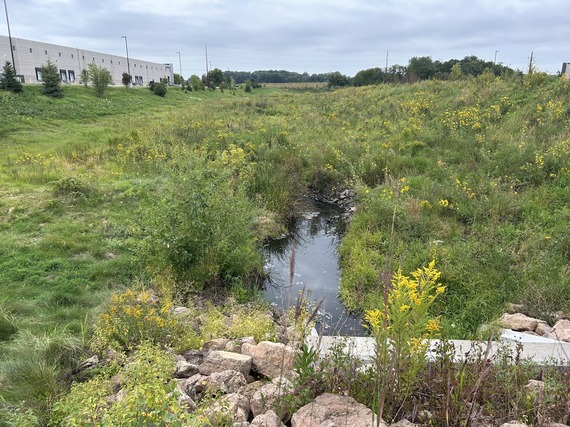
The West Chaska Creek re-meander project restored a stretch of creek to its natural winding pathway by constructing five meanders and increasing the floodplain. The project reduces water speeds in the creek, lowers stress on the streambanks, reconnects the stream to its floodplain, and reduces the amount of sediment transported downstream. All of which improve water quality in West Chaska Creek and the Minnesota River which it flows into.
The project was completed in October of 2023. Since then, county staff and Natural Shores Technologies have been adding native plants and managing invasive and noxious weeds. Now fully established, the site has become a favorite location for wildlife. Staff have seen the return of birds, fish, and other animals to this section of the creek.
October 19–25, 2025
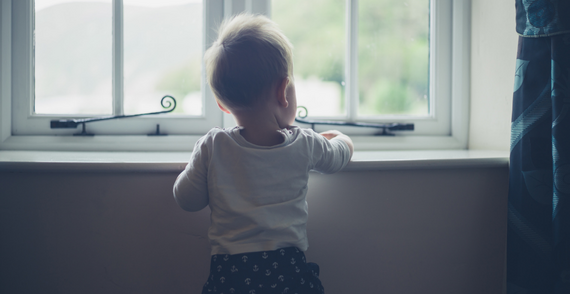
National Lead Poisoning Prevention Week raises awareness about the serious health effects of lead exposure and how to prevent it, especially in children. Lead poisoning is preventable yet remains a public health concern in Minnesota. Even low levels of lead in a child’s blood can affect brain development, behavior, and learning ability.
Common sources of lead exposure
- Lead-based paint in homes built before 1978
- Contaminated soil
- Household dust
- Drinking water from lead pipes or plumbing
- Imported toys, jewelry, and cosmetics
While Minnesota law prohibits the sale of products with unsafe lead levels, some imported items—especially inexpensive jewelry—still make their way into homes. Parents and caregivers should keep unbranded or low-cost jewelry and trinkets away from young children, particularly those who may put items in their mouths.
What you can do
-
Get the facts – Learn about lead hazards in your home and community.
-
Get your child tested – A simple blood test is the only way to detect lead poisoning. The Minnesota Department of Health recommends testing at 12 and 24 months, and for older children who may be at risk.
-
Get your home tested – Especially if it was built before 1978. Hire certified professionals before starting any renovation or painting projects.
Local resources: Carver County Environmental Center
The Carver County Environmental Center offers safe disposal for many lead containing items, including:
- Lead-acid batteries
- Electronics
- Certain household hazardous wastes
- Lead solder and weights
Proper disposal helps prevent environmental contamination and protects public health. For a full list of accepted items and hours of operation, visit the Carver County Environmental Center
Spread the word
Join us in sharing this message during National Lead Poisoning Prevention Week. Whether you're a parent, renter, homeowner, or community member, you can help ensure a healthier, lead-free future for all children.
Follow Recycle Carver on Facebook throughout the week for daily tips and resources.
|