|
|
Carver County has joined the State of Minnesota and many other counties and cities across the U.S. in a major lawsuit against opioid manufacturers and distributors, holding them accountable for their role in the ongoing opioid crisis. In 2021, the County entered into settlement agreements with several major pharmaceutical, manufacturing, and distribution companies, with more negotiations still underway.
As part of this effort, Public Health has been named the Chief Strategist, focusing on community-driven, evidence-based strategies to prevent opioid use and support those struggling with addiction. Their work aims to engage local partners, raise awareness, and build stronger, healthier communities.
In fall 2024, Carver County offered its first round of funding for county departments and local organizations to apply for opioid settlement funds to support projects that address the opioid crisis through prevention, harm reduction, and/or treatment, and that align with at least one of the settlement’s guiding principles.
After careful review, the Carver County Opioid Advisory Council (made up of county employees from the Attorney’s Office, Sheriff’s Office, and multiple Health and Human Services (HHS) departments) and HHS Leadership recommended 11 opioid response projects to move forward for year one funding; these projects went through County Board approval and are currently underway to support individuals and families in Carver County.
|
|
Minnesota Endorses New COVID-19 Vaccine Guidance from Medical Associations |
|
|
The Minnesota Department of Health (MDH) has announced its endorsement of COVID-19 vaccine recommendations from leading national medical associations for the 2025–26 season. This marks a shift from previous years, where MDH primarily followed federal guidance. The department is now aligning with science-based recommendations from the American Academy of Pediatrics (AAP), American Academy of Family Physicians (AAFP), and American College of Obstetricians and Gynecologists (ACOG), which advocate for broad access to COVID-19 vaccines for everyone aged six months and older.
Focus on Access and High-Risk Groups
The endorsed guidance emphasizes the importance of vaccination for high-risk groups, including children under two, pregnant individuals, those with underlying health conditions, and adults over 65. MDH officials stress that COVID-19 vaccines remain a critical tool in preventing severe illness and death. As respiratory illness season begins, MDH encourages Minnesotans to consult their healthcare providers about COVID-19, flu, and RSV vaccines, all of which can be administered at the same time.
Standing Order Expands Access Through Pharmacies
To further improve vaccine access, MDH has issued a standing order allowing pharmacists to administer COVID-19 vaccines, including to children aged three and older. This move follows an executive order from Governor Walz aimed at ensuring continued access to vaccines amid concerns about potential federal limitations. The order also directs MDH and the Department of Commerce to work with health plans and providers to maintain vaccine coverage and availability.
Vaccines Arriving Across Minnesota
COVID-19 vaccines for the 2025–26 season are now arriving at clinics and pharmacies statewide, with availability expected to grow in the coming weeks. MDH advises residents to call ahead to confirm availability, especially for pediatric doses, and to check with their insurance providers about coverage. For those without insurance, Minnesota offers programs that provide vaccines at low or no cost. More information is available on the MDH website under "COVID-19 Vaccine Access for Minnesotans."
Read the full news release from MDH.
|
|
Family Preparedness Plan: Are You Ready? |
|

September was National Preparedness Month, a time dedicated to reminding us all about the importance of planning ahead for the unexpected. Emergencies can happen anywhere and at any time. They can take many forms, including a severe storm, power outage, or public health concern. Taking a few simple steps now makes it easier to respond calmly when situations arise.
Start by creating a family plan. Talk with loved ones about where you'll meet if separated and how you'll communicate if phones aren't working. Keep an emergency kit stocked with essentials: water, non-perishable food, flashlights, batteries, medications, and important documents. These preparations provide peace of mind and can make a difficult situation more manageable. Preparedness isn't just for adults. Involving children helps them feel confident and ready too. Simple conversations about what to do if the lights go out or where to go in an emergency can transform worry into readiness.
As we move into October, preparedness also applies to Halloween safety. Trick-or-treating is a highlight of the fall season, but it comes with risks that can be reduced through planning. Costumes should be visible in the dark, and flashlights or glow sticks help children stay visible to drivers. Parents should check candy before kids eat it and remind them to use crosswalks and sidewalks. Since evenings are darker and the air is cooler, layering costumes with warm clothing keeps the night fun and comfortable. Preparedness isn't a one-time event. It's a habit we build together as a community. By practicing readiness in both serious situations and seasonal traditions, we create a safer, stronger place to live for everyone.
|
|
|
Bridging the Summer Hunger Gap: Free Produce Market a Community Success |
|
Summer can be a challenging time for many in our community—especially when school is out and access to school meals disappears. The Free Produce Market was created to help fill that gap, ensuring children and families have access to fresh, healthy food during the months when they need it most. But the impact goes even further: many older adults on fixed incomes also rely on the program to stretch their grocery budgets and make nutritious foods more accessible.
In 2025, the program supported 797 unique families across three sites—Bluff Creek Elementary, Central High School, and Watertown City Hall—distributing over 105,000 pounds of fresh produce, equivalent to nearly 88,000 meals. More than 120 volunteers contributed over 1,200 hours to make this effort possible.
This initiative is made possible through the partnership of local organizations including A Better Society, Bountiful Basket Food Shelf, Carver County Public Health, Central Public Schools, the City of Watertown, Eastern Carver County Schools, Gather & Grow Food Shelf, Mi CASA, Second Harvest Heartland, and the Southwest Carver County Food Shelf. These partners are working together to ensure everyone in the community has access to food, especially during the summer months when food insecurity rises.
The impact is clear:
- 93% of participating families reported eating more fruits and vegetables
- 93% of participating families said the program made them feel like they belong in the community
- 92% of participating families reported less financial stress
One participant shared, “We can eat instead of choosing between food and other expenses.” Another said, “It has helped us remain hopeful in times of despair.”
Thanks to overwhelming community support and participation, partners plan to offer the Free Produce Market in 2026. Visit Find Food Carver County for more information, or to get involved.
|
|
|
Progress on the 2025-2029 Community Health Improvement Plan (CHIP) |
|
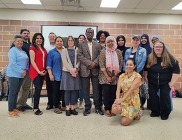
The Carver County Public Health Advisory Council (PHAC) is making exciting strides in implementing the 2025–2029 CHIP. Guided by the 2023 Community Health Assessment, five action teams are working to improve health equity by addressing key community priorities: Food, Housing, Transportation, Resource Navigation, and Mental Health.
Each team is focused on supporting residents who face the greatest health disparities, using culturally relevant and community-informed approaches. Learn more about 2025 Carver County Department Projects.
|
|
|
Carver County WIC Office Relocation
|
|
|
The Carver County WIC (Women, Infants and Children) office has moved! After careful planning and coordination, local WIC staff relocated to a new, more accessible space within Carver County's Community Action Partnership (CAP) Agency office. This move is part of an ongoing effort to provide better services to the community.
Prior to the move, WIC staff reached out to current clients using the Prevention Pays texting app. This notified clients of the location change well in advance so they can plan accordingly for their upcoming visits.
Looking Ahead:
With this move, the WIC program aims to continue providing essential services to our community while improving accessibility for all clients. The new location is expected to enhance the overall client experience, making it easier for families to access the critical resources and support they need.
|
|
Opioid Funding Request for Proposals
Public Health is accepting applications for community-based opioid prevention and recovery projects that align with the National Opioid Settlement guiding principles. Applications are due by October 17, 2025. Please review the RFP for additional details.
|
Vaccine-Preventable Disease Resources
Information on vaccine-preventable diseases can be found on MDH's Diseases Prevented by Vaccines page. Info for the public and healthcare providers is available, along with guidance for special settings.
|
|
|
|
|