 September 2025
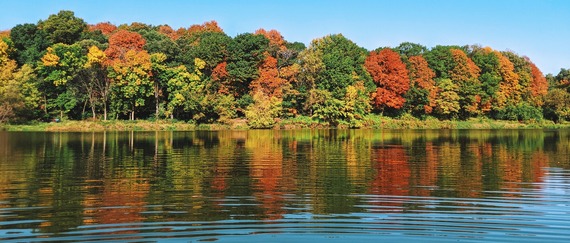
Lesser known is the part of the project that will improve mobility for wildlife.
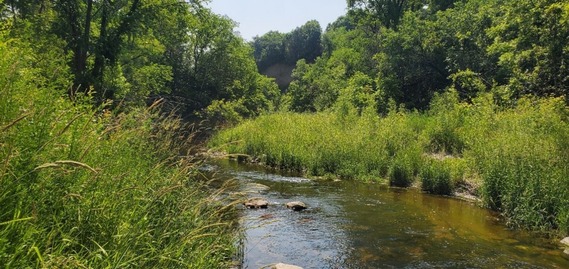
This summer, a 130 ft. segment of East Chaska Creek that drains from Spring Peeper Meadow to Big Woods Lake is being restored. This segment of stream currently flows through an underground pipe. As part of this project, the existing pipe will be removed, and a new stream channel will be constructed. Once completed, the water will be redirected through the new channel bringing the stream back to its natural setting. This project will benefit aquatic wildlife migration in East Creek and reduce nutrient pollution to Big Woods Lake.
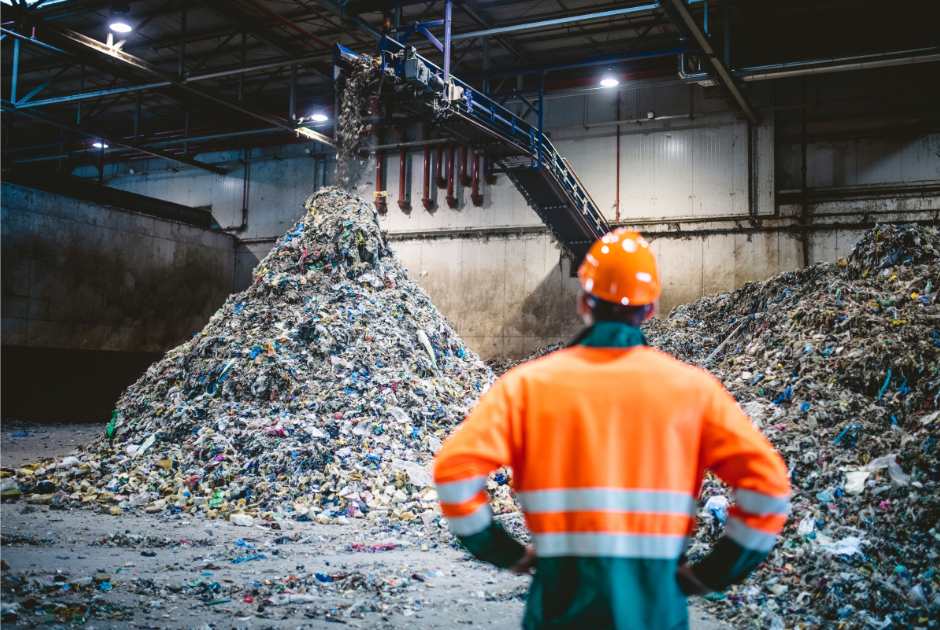
This Labor Day, it’s worth recognizing the powerful role recycling plays in supporting American jobs and communities. Recycling is often thought of only as an environmental action, but its economic benefits are just as impressive.
According to recent studies, the U.S. recycling and scrap industry supports more than 500,000 jobs nationwide, generating over $110 billion in annual economic activity. In the aluminum sector alone, recycling helps sustain nearly 700,000 jobs and contributes an economic impact of $228 billion. These numbers highlight that recycling is not only reducing waste—it’s fueling livelihoods, wages, and local economies.
The U.S. Environmental Protection Agency also projects that modernizing recycling infrastructure could create even more opportunities. With investments of $36–43 billion, the nation could significantly increase recycling capacity, leading to stronger recovery systems, higher recycling rates, and expanded employment across industries.
Behind every recycled can, bottle, and box are workers whose contributions make this system possible. They ensure materials are collected, sorted, and processed into valuable new products. This Labor Day, let’s celebrate the people powering this essential industry—building a cleaner environment and a stronger economy.
Use less acetochlor and follow best management practices
Silver Creek is contaminated with high levels of acetochlor, an herbicide commonly used to control weeds on corn and soybeans. The creek flows through the southern part of Carver County and drains into the Minnesota River. Most acetochlor runoff happens from early May to early June, shortly after early-season herbicide applications and heavy rainfall. That’s why it is so important to consider alternative herbicides and take steps to reduce runoff.
If you have a weed management plan for crops in this area, you can help by switching from acetochlor products to non-acetochlor options. See lists below. Talk with your dealer or agronomist to find the best non-acetochlor products for your farm. Your choices for next season can make a real difference in protecting Silver Creek and may help avoid potential future restrictions on acetochlor use in the area.
- Acetochlor products: Harness, Tripleflex, SureStart, Resicore, and Warrant
- Non-acetochlor products: Dimethenamid-P (Outlook), S-metolachlor (Dual Magnum), or Pyroxasulfone (Zidua). These alternatives belong to the same Group 15 herbicide class and could provide similar weed control.
If you still plan to use acetochlor products, follow the Minnesota Department of Agriculture’s Acetochlor Best Management Practices.
If you rent your land, share this information with your tenants.
For questions or assistance, contact Minnesota Department of Agriculture at ptu.mda@state.mn.us or 651-201-6029 or Carver County Water Management Organization at aedgcumbe@carvercountymn.gov or 952-361-1037.

Carver County Environmental Services is hosting two Environmental Academies this September, giving residents a chance to experience the outdoors and gain practical recycling knowledge. Whether you’re looking to connect with nature or better understand where your recyclables go, these events are a great way to learn and engage with your community.
Events are free and open to anyone who lives or works in Carver County. Space is limited. Register today!
Big Woods hike
September 11, 6:00pm to 7:00pm
Camp Fire Minnesota, 3300 Tanadoona Dr, Excelsior, MN 55331
Take a guided walk through the Big Woods with Camp Fire Minnesota’s expert Naturalists. This all-ages hike explores the site’s history, wildlife, and plant species, offering a deeper understanding of the land and its ecological significance.
Understanding the recycling process
September 18, 6:00pm to 7:00pm
Chanhassen City Hall – Lake Susan Conference Room, 7700 Market Blvd, Chanhassen, MN 55317
Ever wonder what happens to recyclables after they leave your curbside bin? This session provides an inside look at the recycling process in the Twin Cities Metro, with clear guidance on what belongs in your curbside bin—and what doesn’t. Bring your questions and leave with practical tips to make sure your recycling efforts count.
|

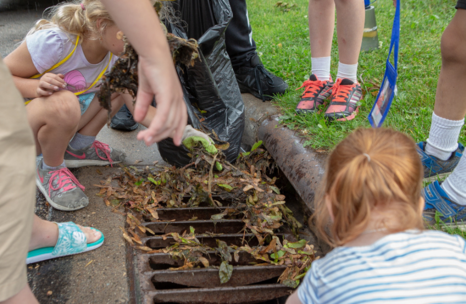
Fall is an important time to protect storm drains. Join the nation’s largest Adopt a Drain program which invites residents to adopt a storm drain and commit to keeping it clear of leaves, trash and other debris.
Keeping storm drains clean prevents pollution in lakes and creeks. The program began in Minnesota in 2017, and the impacts are huge. Around 19,000 volunteers have prevented over 900,000 lbs. of debris from getting into local lakes and rivers.
Leaves, grass clippings, and dirt that build up along curbs and storm drains contain phosphorus, a nutrient which in high amounts causes algae blooms and reduces oxygen in the water.
Just 1 yard waste bag of leaves has enough phosphorus to create 100 lbs. of algae in water.
Sign up as an individual, a family, a school, an organization, a service group, and more. A few minutes a month can make a big difference in our waters.
|
Beginning in September, Carver County will launch “Small Scraps, Big Difference” — a new campaign designed to encourage residents to participate in composting and organics recycling.
Created in partnership with the Minnesota Composting Council’s “Love to Compost” initiative, the campaign highlights how simple daily actions, like setting aside food scraps, can have a big impact. Aimed at letting residents know that food scraps are not trash, but a valuable resource that can be turned into compost to enrich local soil, reduce waste, and strengthen our community.
Carver County already offers composting opportunities through its organics recycling drop-off program. The new campaign aims to boost awareness and participation, making it easier for more households to get involved. Residents can visit lovetocompost.com to find drop-off site locations, FAQs, and tips for composting at home.
This local campaign is also part of a broader shift across Minnesota. By 2030, waste haulers in metropolitan counties will be required to provide curbside organics collection in cities with populations over 5,000. Carver County’s current efforts are helping residents get ahead of the curve by making composting a normal part of daily life now.
By participating, residents not only reduce landfill waste and greenhouse gas emissions, but also return nutrients back to the earth, proving that even small changes can make a big difference.
|