 June 2025
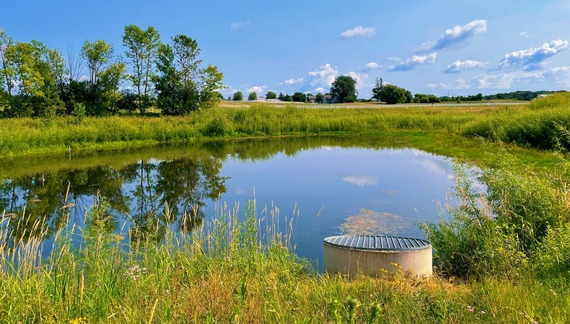 In our increasingly urban landscape, small ponds are scattered across neighborhoods and cities. At first glance, they may appear as natural ponds or wetlands providing habitat for wildlife such as turtles, frogs, and waterfowl. Native wildflowers and plants can surround them. To new homeowners, they may even be advertised as "waterfront" or a landscaping feature. However, these ponds are not just ponds but a stormwater treatment practice.
What to look for
Taking a closer look, you may notice these ponds are located near large shopping centers, in neighborhoods, community parks, school fields, and along parking lots and roadways. They have steeper banks, and water levels may rise and fall frequently. Or at times they might simply be a muddy hole. During the summer the water can look greener and have a distinct smell compared to the lakes or larger waterbodies nearby. These are all indicators of stormwater ponds.
Purpose of stormwater ponds
Stormwater ponds serve an important purpose. They collect water that runs off streets, sidewalks, rooftops, lawns, fields, and parking lots during rainstorms or snow melts. This runoff carries high levels of pollutants such as nutrients, oils, bacteria, sediment, and heavy metals, which can cause poor water quality and human health hazards if allowed to reach our lakes, rivers, and wetlands. Stormwater ponds collect and hold this runoff water temporarily, capturing pollutants and allowing them to settle out. Thus, preventing pollutants from reaching lakes and rivers. These ponds also reduce flood risk by holding the water and allowing it to slowly sink into the soil.
Some ponds are reuse ponds
While cities, schools, businesses, and housing developments install stormwater ponds to meet regulations and protect our lakes, rivers, and wetlands from pollutants, they sometimes install a different type of stormwater pond known as a reuse system.
Stormwater reuse systems look similar to stormwater ponds, but the reuse pond's water level may rise and fall frequently, and pipes or tubing may be visible during low water levels. This change in water level is because the pond’s water is being pumped out and used to irrigate lawns, parks, and sports fields rather than using potable city water.
Preserving drinking water and saving money
Reusing stormwater reduces irrigation costs for residents and businesses and helps protect the city's potable drinking water supply, especially during droughts. This is important for communities like Carver County, whose towns and residents rely on groundwater for their water supply. In 2024, stormwater reuse systems across Carver County used around 42,625,141 gallons of reuse water instead of potable water for irrigation, totaling a cost savings of approximately $ 314,114.84.
Furthermore, these reuse systems helped prevent an estimated 88.85 lbs. of phosphorus and 30,554 lbs. of total suspended solids (sediment), which reduce water quality and fuel algae blooms, from reaching our lakes, rivers, and wetlands.
 Carver County partners with local cities to support yard waste and recycling drop-off sites through funding and technical assistance. These sites are vital for helping residents manage waste responsibly and sustainably.
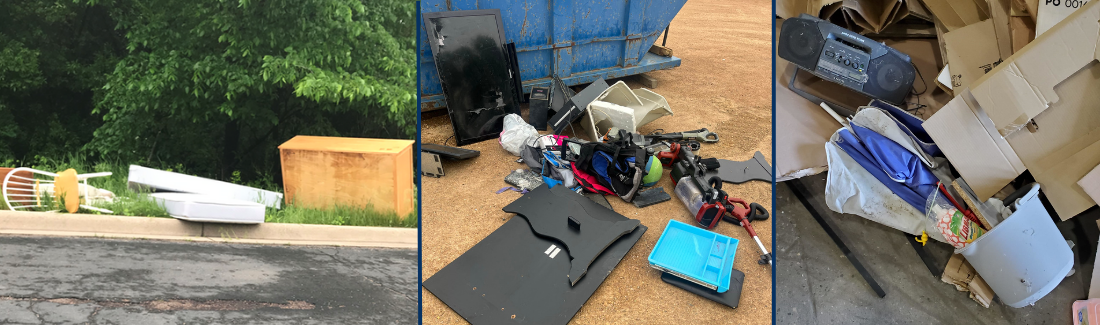
Unfortunately, many locations are experiencing illegal dumping of unaccepted items and disposal during closed hours. This misuse puts strain on city budgets and threatens the long-term availability of these services. When cleanup costs add up, some cities may have no choice but to permanently close sites—a loss for the entire community.
The Victoria Yard Waste Site is one example where these issues have become a big concern. Repeated abuse has prompted new security measures. Soon, the site will be fully closed on weekdays, which will also affect access to county-sponsored organics and cardboard recycling bins. These bins will also only be available on weekends moving forward.
It’s important to use containers and drop-off sites for their intended materials. Placing the wrong items in recycling bins can cause contamination, additional costs and even rejection of an entire load of material, which means they end up at the landfill instead of being recycled.
Not sure how to dispose of something? We're here to help. If we can’t take it, we’ll know who can. Reach out to Carver County Environmental Services before you dump! Send us a message on Facebook, Instagram or call us at (952) 361-1800.
Summer water education intern
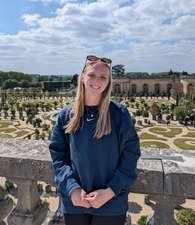
Hello! My name is Bella, and I am super excited to join Carver County this summer as a water education intern! I grew up in Duluth Minnesota and have recently graduated with a biology and life science teaching degree. I have a love for natural resources and hope to share that passion with others. I have had experience with biology education in both a classroom setting and through various public outreach experiences. When I am not sharing my love for biology with others, I enjoy hiking, running, and taking trips to my cabin. I have also played soccer my whole life, so naturally, I’m a huge soccer fan!
This summer I’m excited to work with youth programs to help kids have a better understanding of the environment surrounding them. I can’t wait to encourage young learners to feel more connected to the outdoors! I’m also looking forward to working on other various outreach projects and am thrilled to learn as much as possible about the Carver County Water Management Organization!
|
Summer environmental intern

My name is Henry, and I am proud to be working with Carver County as their Environmental Intern for the summer! I am going to be a senior this fall studying biology and environmental studies with a minor in music. In my free time I like to play the drums, run, and tend to the several pollinator gardens at my house. I am from Minnesota and my experiences growing up near endangered environments prompted me to learn all I can about hazardous waste management and how recycling facilities like Carver County Environmental Center keep our environment and communities safe. I am especially interested in learning about composting protocols this summer and how they are implemented within the County. I'm looking forward to learning all I can about hazardous waste management, environmental outreach programs, and more!
|
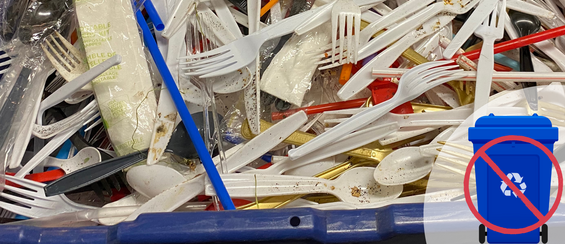
When it comes to recycling, size matters. Small plastic items like straws, plastic utensils, loose caps, and bottle rings should not go in your recycling bin. These items are too small to be sorted properly at recycling facilities and often fall through the machinery. Once that happens, they usually end up in the trash—or worse, contaminate clean recyclables and reduce the efficiency of the entire process.
To keep your recycling efforts effective, avoid tossing in any plastic pieces smaller than a credit card. Instead, keep caps on plastic bottles and aluminum tabs attached to cans. When left on their containers, these small parts are more likely to make it through the sorting process and be recycled properly.
It's a small change in your recycling habits that can make a big difference in reducing waste and protecting the environment. When in doubt, throw it out—or better yet, reduce your use of single-use plastics altogether. Make sure to check out Carver County’s recycling app Betterbin for information on the best thing to do with your waste.
The Carver County Environmental Center is now on Instagram! We’re excited to connect with residents in a new way to share helpful, everyday tips for managing and reducing waste.
Follow @CCEnvironmentalCenter to get updates and information on how to properly dispose of tricky items, what’s accepted at our facilities, and how to reduce waste at home. The EC Instagram will also offer a behind-the-scenes look at Environmental Center operations, including what happens to some of the materials collected.
We’re making it easier than ever to get answers—comment on posts or message us with your questions about recycling, disposal, or Environmental Center services.
|