 January 2025

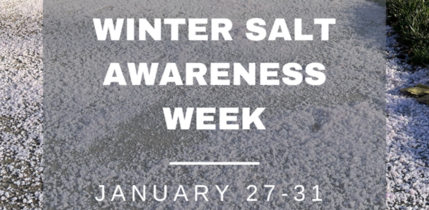
January 27-31, 2025

Towns, cities, businesses, and individuals dump roughly 20 million tons of salt each year across the United States. As snow melts or rain falls, the salt applied to roads and sidewalks gets washed into storm drains, lakes, streams, and even into the drinking water resulting in chloride pollution. All 19 lakes our staff monitors are showing an increasing concentration of chloride.
Salt keeps us safe on roads and sidewalks, but the increasing levels in our freshwaters is a threat to fish and wildlife. It doesn't take much - just one teaspoon of salt contains enough chloride to permanently pollute five gallons of water. Additionally, salt is also corrosive, damaging parking lots, walkways, and buildings. According to the Environmental Protection Agency, maintenance and repair of salt damage to roads, bridges, and automobiles in the U.S. costs around $5 billion each year.
That’s why Carver County Water Management Organization is promoting Winter Salt Week January 27-31 to build public awareness on salt pollution, how it affects our health and freshwater ecosystems, what’s being done, and how we can support local efforts.
Reducing winter salt use does not compromise safety and does help keep our freshwater lakes and streams from turning into saltwater. This event is sponsored by multiple agencies and organizations across the U.S. and Canada.
|
 |

Electronic waste is a growing concern for our environment. If you have something you no longer need or want, instead of throwing it away, make sure to explore donating or recycling. Donating electronics can give them a second life, reduce waste and help those in need. It's especially important to handle battery-powered devices like cell phones with care. These items contain lithium-ion batteries, which can pose serious risks, including fires if punctured or crushed. To safely dispose of them, look for designated drop-off recycling locations. In the Twin Cities Metro area, you have options. E-waste recycling programs ensure proper handling and disposal.
Before discarding, check local resources to find the most convenient and environmentally friendly options in your area. Carver County residents can bring unwanted electronics to the Carver County Environmental Center.
By recycling or donating electronics, you help conserve valuable materials, reduce landfill waste, and prevent potential hazards.
|
 |
Whether you’re stopping by a County recycling drop-off site, the Environmental Center, or putting items out on the curb, it’s always good to keep in mind that real people handle those items on the way to their destination. A recent Bureau of Labor Statistics study revealed some alarming trends within the solid waste industry, with refuse and recyclable material collectors moving from 7th to 4th on the list of occupations with high workplace fatality rates. Fatalities increased by 83% in the past year.
You can help keep waste management workers safe by disposing of hazardous materials properly. For example, avoid putting dangerous items like batteries and chemicals in trash or recycling bins. Avoid placing sharp objects or broken glass in bins, and be cautious with electronics, using designated recycling programs for proper disposal. These actions will help ensure the safety of waste collection workers.

March 3, 4, and 5
The summit provides three days of live presentations with a wealth of experts and topics on ecologically sound land practices that promote pollinators, climate resilience, clean water and lands. Summit topics provide practical knowledge and innovation on pesticide reduction, habitat installation, conservation, pollinator biology, climate resilience and more.
Photo: Common Eastern bumblebee on Joe Pye Weed flower.
|
|