 July 2024
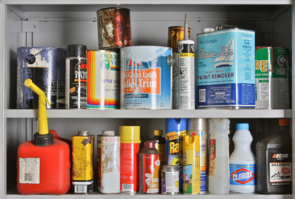
This summer, many Carver County residents find themselves defending their homes and businesses against high water levels. During periods of flooding, safeguarding hazardous waste is something that may be easy to overlook. Being proactive and taking the time to evaluate your property for potential hazardous can prevent the contamination of ecosystems and water sources and reduce the risk of potential harm to individuals during periods of flooding. A few simple steps can go a long way.
-
Dispose: Use designated collection sites like the Environmental Center in Chaska to dispose of household hazardous waste or products you no longer need.
-
Minimize: Reduce the number of hazardous materials at your home or business by purchasing only what is necessary and using up existing supplies.
-
Stay informed: Monitor weather forecasts, especially during periods of heavy rainfall to prepare for potential flooding events.
-
Secure storage: Store hazardous products securely in their original containers. Keep them in a location out of reach for potential flood waters. Ensure all containers are labeled, sealed, and in good condition to prevent leaks or spills.
If you do end up with hazardous materials that are compromised by flood waters, call the Environmental Center at (952) 361-1835. If you are just in need of more information on household hazardous waste disposal visit the Environmental Center webpage.
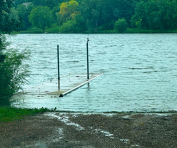
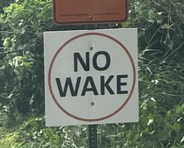
The frequent rains in recent weeks caused many lake levels to increase. Reitz Lake, Piersons Lake, Lake Bavaria, and Lake Waconia fall under the County’s automatic no-wake ordinance and staff have been monitoring these lake levels.
No-wake means watercraft must move at the slowest possible speed necessary to maintain steerage, but
in no case greater than 5 mph.
|
Although both Lake Bavaria and Reitz Lake (upper right photo) hit high enough water levels to trigger the no-wake ordinance in June, none of these lakes currently have an active County no-wake ordinance. Staff will continue to monitor lake levels throughout the summer. Check our website and follow us on social media for updates. |
|
 |
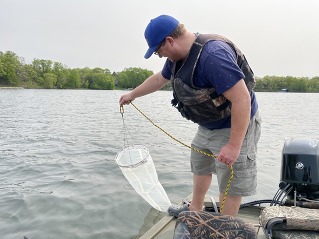
Staff using a Wisonsin net for zooplankton monitoring.
Water management staff began zooplankton monitoring to better understand lake ecology and changes in zooplankton both seasonally and annually.
About zooplankton
The word zooplankton can be broken into two root words. "Zoo" means animal, and "plankton" are organisms that float and drift in water and are generally microscopic. Freshwater examples include daphnia and copepods (both tiny crustaceans) and rotifers. Zooplankton are important in the aquatic food web. They eat algae, keeping populations in check, and are food for small fish and aquatic insects.
Why monitor zooplankton?
Monitoring helps staff understand the existing community and community changes in lakes. Staff monitor lakes with different characteristics such as lake depth, presence of zebra mussels, and pollution (chloride) to better understand how human impacts and lake characteristics affect zooplankton. Community data is also important to understanding a lake impaired for a fish index of biological integrity, such as Lake Bavaria and Lake Waconia.
Monitoring
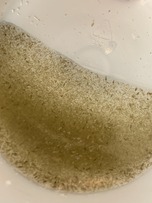
Staff use a Wisconsin plankton net to collect samples. They complete a horizontal tow (drag of the net) in shallow lakes and vertical tow in deep lakes at the deepest location. The tow length is recorded, and the sample gathered and preserved. Photo at right shows a sample after a tow. The samples are sent to a lab and each sample is analyzed for the following info.
- The estimated number of organisms per tow.
- The total number of zooplankton counted in the subsample.
- The different types of zooplankton found in each sample (community richness).
2023 results for lakes Hydes, Benton, Waconia, and Bavaria
Lake Waconia had the highest species richness, followed by Lake Bavaria, Hydes Lake, and Lake Benton.
Lake Benton had the highest zooplankton count with over 2500 zooplankton. Lake Bavaria, Hydes Lake, and Lake Waconia all totaled around 500 zooplankton.
|
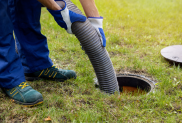
Warm weather has finally arrived, and now is a great time for septic tank pumping and annual septic system maintenance. Frequent pumping and maintenance of your septic system will increase the longevity and save you costly repairs and potential system replacement.
|
Potential causes and responses
Fish kills occur every year in Minnesota from natural causes such as disease or low dissolved oxygen levels. These natural causes may be worsened by chronic environmental conditions like excess nutrients in the water or extreme weather.
Fish kills can also be caused by polluted runoff from toxic spills, manure, pesticides or fertilizers, and high-temperature wastewater or stormwater discharges. Minnesota requires a fish kill of 25 or more fish to be reported. Once a report is made, the four state agencies listed below work together to determine which will serve as the lead response agency based on the suspected cause of the kill.
- The Minnesota Department of Natural Resources is the lead agency for fish kills that are typically not urgent and involve winterkill or summerkill, natural causes (disease), and lakes treated with department permitted chemical.
- The Minnesota Pollution Control Agency is the lead agency for acute pollution events such as polluted runoff (co-lead w/MDA), spills or discharges from manure, industrial/municipal wastewater and stormwater, oil/hazardous materials, and other contaminants.
- The Minnesota Department of Agriculture is the lead agency for acute pollution events such as polluted runoff and spills or discharges from pesticides of fertilizer.
- The Minnesota Department of Health provides a supporting role to the lead agency if groundwater becomes impacted and determines if a fish consumption advisory is necessary.
The agencies work together and consult each other to determine the appropriate response based on the circumstances.
Needles and sharps
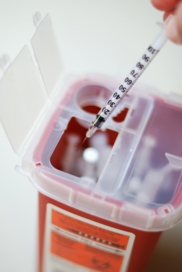
Sharps, needles, and syringes used in healthcare or at home, pose significant health risks when disposed of improperly. It’s important to handle these items responsibly to ensure they do not injure recycling and waste management workers or spread infection.
Carver County residents can use the following options for safe disposal of sharps.
-
Check with your clinic or hospital for collection programs. Do not bring used needles, syringes or lancets to your health care provider if they are unable to accept them.
-
Destroy your needles at home. Purchase and use destruction devices that bend, break, incinerate (destroy by high heat) or sheer needles.
-
The Carver County Environmental Center in Chaska provides a convenient drop-off location for residents to dispose of sharps safely. The Environmental Center accepts sealed, designated sharps containers. Placing your used sharps in these containers prior to your visit helps to ensure proper handling and minimizes the risk of accidental needle sticks.
|
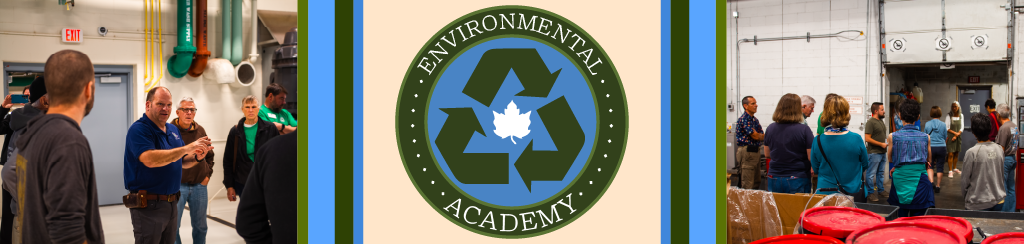 Carver County and The City of Chanhassen Environmental Commission have partnered to host a new series of events called The Environmental Academy.
The Environmental Commission hosted three successful events in 2022 and 2023 and now Carver County Environmental Services will help build on that success to host an additional three nights of events. The Environmental Academy programs educate participants on topics such as waste reduction, recycling, composting, and other environmentally relevant themes. The course will include presentations by industry professionals as well as tours at various facilities in our area.
The objective of these workshops is to create opportunities for residents to learn about specifics when it comes to recycling, composting, and reducing waste so they’ll be able to refine and apply their knowledge at home, work, and in the community while empowering them to educate others in the process.
Classes will be held on Thursdays starting August 22, 2024.
|