|
|
The Carver County Water Management Organization sends an annual bulletin with updates on the health and water quality of Burandt Lake. This bulletin is sent out every summer. If you would also like to receive our monthly newsletter for more frequent updates on our projects and programs, or, if you would like to unsubscribe from our newsletters visit www.carvercountymn.gov/government/e-notifications. We appreciate your interest and dedication to keeping our local lakes healthy!
|
|
|
Burandt Lake received a C grade for water quality in 2023, which is the same since 2021. A grade of C means the lake has average water quality with some algae blooms that may make recreation undesirable early and late in the season.
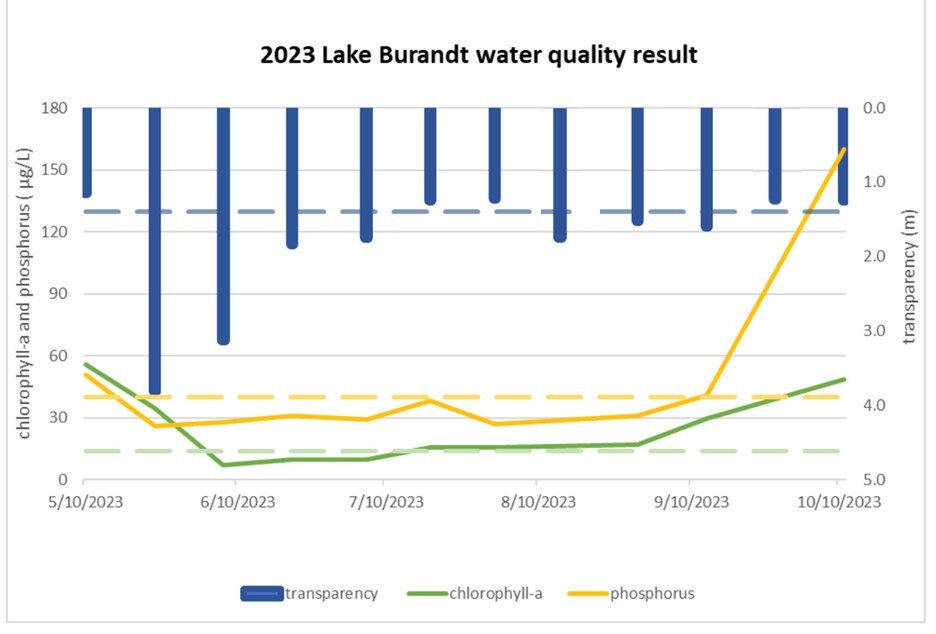
The graph below shows water quality results from 2023 for phosphorus and chlorophyll-a concentrations, and transparency measurements. The dashed lines show the water quality standards set by the state. For phosphorus and chlorophyll-a, values above the state standard indicate poorer water quality conditions. For transparency, values below the state standard indicate poorer water quality conditions. Lakes are listed as impaired when the average summer values for a given water quality metric do not meet the state standard.
Burandt Lake water quality results from 2023. The phosphorus (yellow) and chlorophyll-a (green) axis is on the left side of the graph, and the transparency (blue) axis is inverted and on the right side of the graph. We want to see each water quality metric line remain below the dashed standard lines for the best lake health.
|
|
 Phosphorus
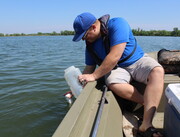
This nutrient is necessary for lake health, but in high concentrations it can cause algae blooms. In 2023, phosphorus levels decreased throughout 2023. The water quality standard of 40 µg/L by mid-June. Burandt Lake was not impaired for phosphorus in 2023 with a summer average of 32 µg/L
|
 Chlorophyll-a
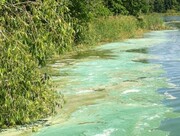
This compound is produced in algae and is a measurement of how much algae is in the lake. Chlorophyll-a concentrations increased past the water quality standard of 14 µg/L by early-June. Burandt Lake was impaired for chlorophyll-a in 2023 with a summer average of 15 µg/L
|
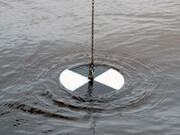 Transparency
Staff measure transparency (clarity) using secchi disks. The disk is lowered into the water and the depth measured when the disk disappears. The deeper the reading, the better the water clarity. Water clarity was good early in the season but did not meet the visibility standard of 1.4 meters by mid-July. Burandt Lake was not impaired for transparency in 2023 with a summer average of 1.76 meters.
|
|
 |
|
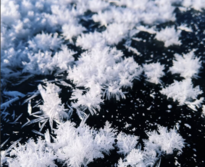
Ice cover
With the mild winter Carver County experienced, many lakes had shorter seasons of ice cover. Ice cover is changing. The Minnesota Pollution Control Agency reported that lakes have lost 10-14 days of ice cover in the last 50 years. Visit Climate Change threatens winter traditions with the Minnesota Pollution Control Agency to learn more.
|
 |
|
Lake level
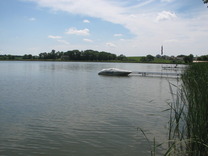
The drought is over, but with the frequent and many rains, lake levels in many lakes have gone up. High lake levels can be damaging to shorelines, especially with boat wakes. Check out Minnesota Department of Natural Resource's info on fluctuating water levels to learn more about protecting your shoreline.
|
Adopt a drain
Cities sweep their streets once or twice a year but cannot keep streets clean all the time. The Adopt a Drain program asks residents to “adopt” a storm drain in their neighborhood and keep it clear of leaves, trash, and other debris to reduce pollution in our waters. Rain washes everything on streets and paved surfaces into storm drains, which flow directly to local lakes, rivers, and wetlands. Many pollutants, such as fertilizer, pesticides, and road salt, can kill aquatic life. Even leaves and grass clippings, more natural debris, become pollutants. They break down into nutrients that feed algae, creating algae blooms that suffocate other aquatic life. Keeping storm drains in your neighborhood clean helps prevent pollution from entering our waterways.
Watering wisdom webinar
 |
|
Grow a healthy lawn with less effort
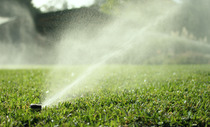
The University of Minnesota has a five-part summer webinar series that focuses on turf grass and irrigation topics to help homeowners have healthier lawns and more efficient irrigation systems.
|
Landscape with native plants
|
|
 |
|
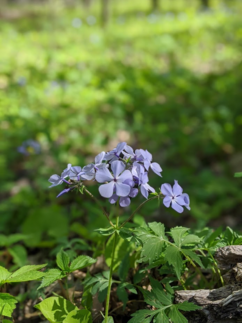
What are native plants?
Native plants are those local to Minnesota, that have been here since before European immigrants arrived, and are adapted to our soil and climate.
Native plants and water protection"
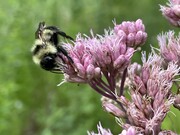
Native plants protect our lakes and rivers. Their deep roots absorb extra rainwater and allow it to seep into the ground. This prevents stormwater runoff and its pollution, and recharges groundwater supplies. Additionally, native plants provide habitat for pollinators, birds, and other wildlife. Plus, if you have a troublesome, soggy spot in your yard, native plants and their deep roots are a great solution for getting some drainage.
|
Volunteer August 10 at Starry Trek
Volunteers are needed on Saturday, August 10, 2024, to search for starry stonewort, an aquatic invasive algae that can spread easily and form dense mats in lakes.
Starry Trek is an annual, one-day event across Minnesota where volunteers meet at local training sites to learn how to identify starry stonewort and other aquatic invasive species. After the training, participants head out to local water access points to look for signs of these aquatic invasive species.
|
|
Water quality cost-share program
The Carver County Water Management Organization wants to help you protect our water. If you have a project you would like to implement that will improve water quality, we can match 75% (up to $5,000) of the cost of your project. Projects include rain gardens, shoreline restoration, water reuse projects, and more!
|
|
Pollinator conservation program
The Carver County Soil and Water Conservation District has funding to help you install new pollinator gardens! These gardens provide food and shelter to native pollinators and keep our water clean by preventing soil erosion and stopping runoff from reaching lakes and streams. You may receive up to $2,000 to create this beautiful habitat!
|
|
Shoreline habitat program
Shorelines with native plants keep runoff out of our lakes and streams better than turf grass. The Carver County Soil and Water Conservation District has funding to convert your turf grass shoreline into native habitat. You may receive 75% (up to $2,500) to establish native shorelines that keep our lakes clean!
|
|
Rachio smart sprinkler discount
The Carver County Water Management Organization has partnered with Rachio to provide discounts to residents for smart sprinkler controller. These controllers use local weather data to know the best times to water your lawn and garden, saving you money and conserving water.
|
|
|
You can make a big difference in the quality of Lake Burandt! Please do not hesitate to reach out to us with any questions, comments, or concerns about lake and stream health in Carver County.
|
|
|
|
|