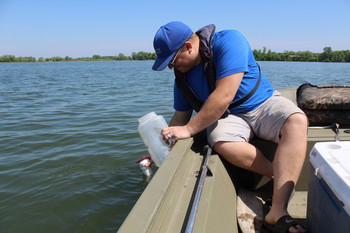
 Water management staff collecting surface water samples
Summary data from the 2018 lake and stream monitoring season is up and ready for viewing.
Visit our water quality website or click on any of the links below to access the information.
When development occurs, it changes the way water moves across the land. More roads, driveways and rooftops increase the amount of hard surfaces. More hard surfaces mean fewer areas for rain to soak into the ground, and more runoff.
This runoff, called stormwater runoff, causes flooding and water pollution problems in local lakes and rivers.
There are many ways to reduce runoff from a developed area. Rain gardens and permeable pavers help rain soak into the ground, stormwater ponds provide a place for runoff to be stored and filtered, and stormwater reuse systems collect and store runoff to be used for irrigation later.
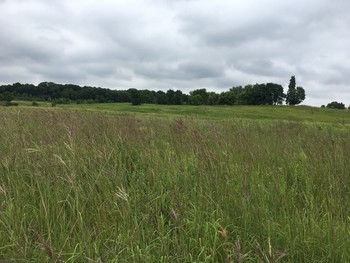
Another way is to preserve or restore natural areas, thus increasing the amount of green space and providing more area for water to soak in. This is called upland preservation. It is one of many methods Carver County Water Management Organization promotes to protect lakes and rivers from stormwater runoff pollution during development.
What is upland preservation?
Upland preservation occurs when a natural area such as a prairie or a forest is restored or permanently protected during development.
Having these natural areas dotted throughout neighborhoods can reduce the amount of stormwater runoff coming off the area, provide a place for extra water from development to soak into the ground, reduce flooding, provide wildlife and pollinator habitat, and provide recreation opportunities for nearby residents.
Read more
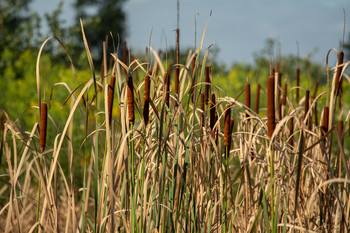
This story is a wonderful example of the diversity and benefits that return when wetlands are restored.
In the middle of the Blaine Wetland Sanctuary, a 10’ by 10’ meter plot of ankle-height vegetation is bursting with life. This small section of the 510-acre sanctuary is home to nearly 100 species of plants, including rare and state-endangered species such as lance leaf violets, sundews, and twisted yellow-eyed grass. Thanks to the foresight of Jason Husveth from Critical Connections Ecological Services, the City of Blaine has embarked on a long-term wetland restoration project that’s reviving a landscape nearly lost to time.
Read more
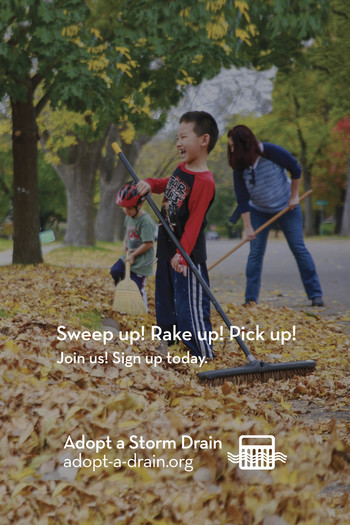
In 2019, the largest "adopt - a - drain" program was launched. The program helps protect lakes and rivers from pollutants by asking people to adopt storm drains and remove debris that would otherwise get washed into lakes and rivers.
Learn more about Adopt a Drain
Sign up
|