With cool fall temperatures arriving in Michigan, I’m excited to take advantage of cider mills, hayrides and fall festivals happening in Oakland County. As you and your family are enjoying the crisp fall weather, remember that West Nile virus and other similar diseases carried by mosquitoes are still a risk. Keep taking steps to protect yourself from mosquitoes until the first hard frost of the year.
Also, fall is a great time to get your annual flu and COVID-19 vaccine. It takes about two weeks after vaccination for your body to build full protection. Getting vaccinated in early fall ensures your immunity is high before respiratory viruses peak between December and February. Contact your doctor or call us at 800-848-5533 to ask any questions about vaccines or to find a vaccination location near you.
Lastly, I want to make you aware that Oakland County’s official website address has changed! Now you can find us at OaklandCountyMI.gov instead of at OakGov.com. Prior OakGov.com website and email addresses continue to work for the time being to help minimize disruption, but now is a great time for you to update your bookmarks and saved links to Oakland County web pages that you frequently visit. Find the Health Division at OaklandCountyMI.gov/Health and the Neighborhood & Housing Development Division at OaklandCountyMI.gov/NHD.
Kate Guzmán, Health Officer, Oakland County Health Division
Protect Yourself With an Annual Flu and COVID-19 Vaccine
Because viruses change each season, anyone 6 months or older should get a flu and COVID-19 vaccine every year. The best time to get vaccinated is by the end of October, before viruses start spreading widely as people spend more time indoors.
Even healthy people can get very sick from respiratory viruses like flu and COVID-19. It is especially risky for young kids, older adults and those who are pregnant or have weakened immune systems. Viruses spread through coughing, sneezing or touching surfaces with the virus. A person can spread flu and COVID-19 before they even feel sick, and they’re most contagious in the first three days.
Contact your doctor or call us at 800-848-5533 to ask any questions about vaccines or to find a vaccination location near you.
New Healthy Michigan Plan Requirement
Starting January 1, 2027, some adults applying for or already receiving Medicaid through the Healthy Michigan Plan will need to work or complete other approved activities to keep their health coverage.
Many people who need to meet this new requirement may already be doing so through work, school or other approved activities, and some people may qualify for an exemption. To learn whether this change affects you and how to keep your coverage, visit Michigan.gov/HMP.

Michigan’s Firearm Safety Laws
Firearm violence and injuries are a serious public health problem. In 2023, Michigan passed a series of comprehensive firearm safety laws to help reduce the risk of gun violence:
-
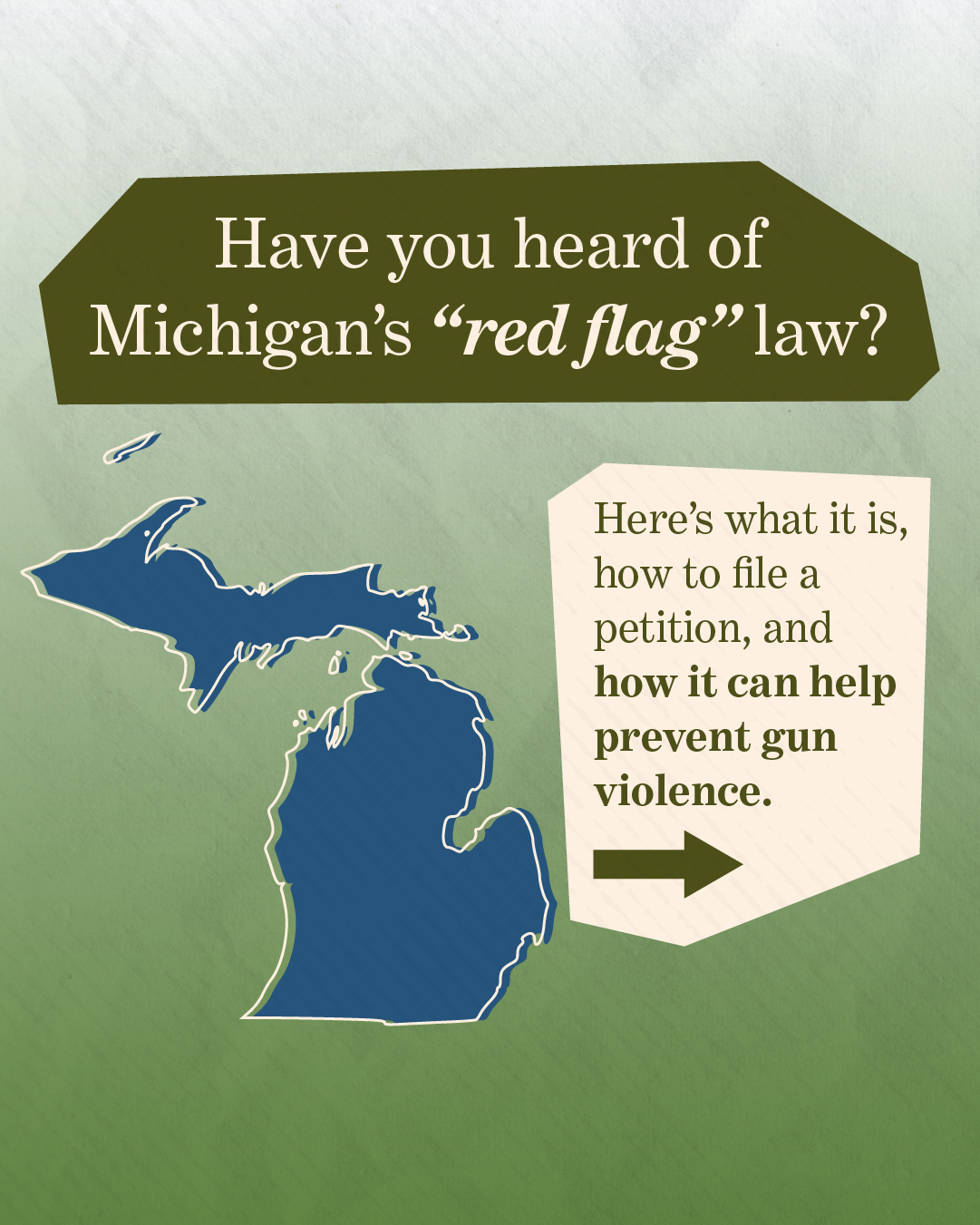
The red flag law allows you to request an extreme risk protection order (ERPO) if you’re concerned that a family or household member may hurt themself or someone else. With approval from a judge, an ERPO can temporarily restrict someone’s access to firearms and prevent them from purchasing firearms. If you’re in immediate danger, call 911. The 988 Suicide & Crisis Lifeline can offer emotional support from trained counselors anytime.
-
The secure storage law requires each firearm owner to securely store their firearms when a minor is present or likely to be present. It’s intended to protect children from injuries or death due to unintended access to firearms. Stop by our office in Pontiac or Southfield to pick up a free gun lock.
-
The firearm background check law requires a background check for each firearm purchase to prevent purchases by individuals prohibited from obtaining firearms.
-
The domestic violence firearm ban prevents individuals convicted of misdemeanor domestic violence from possessing, using, transporting, selling, purchasing, carrying, shipping, receiving or distributing firearms or ammunition.
Get Ahead of Lead
Lead is harmful to people, especially children under 6 and pregnant women. In Michigan, a blood lead level of 3.5 micrograms per deciliter or higher is considered elevated. Most anyone with an elevated blood lead level doesn’t look or act sick, and a blood lead test is the only way to determine someone’s blood lead level.
Almost everyone’s been exposed to lead at some time in their life. Lead can be found in all parts of your environment, including your home. Lead at home can be found in:
-
Certain job or hobby materials
Call the Oakland Connects Helpline at 800-848-5533 to learn how to get your blood tested, drinking water tested and house tested for lead to protect your health and your family’s health. The helpline can connect you to lead abatement services and programs if needed. Talk with your doctor about getting a lead test for yourself or your child if you believe you’ve been exposed to lead or you’re at risk for lead exposure.
Oakland County Water Resources is replacing lead service lines in the City of Pontiac. If you are a Pontiac resident and receive mail about your water service lines, call 248-858-4324 or email wrcwater@oaklandcountymi.gov. Water Resources staff will come to your home to verify the service line material and schedule a replacement appointment. Visit oaklandcountymi.gov/pontiacwater for more information.
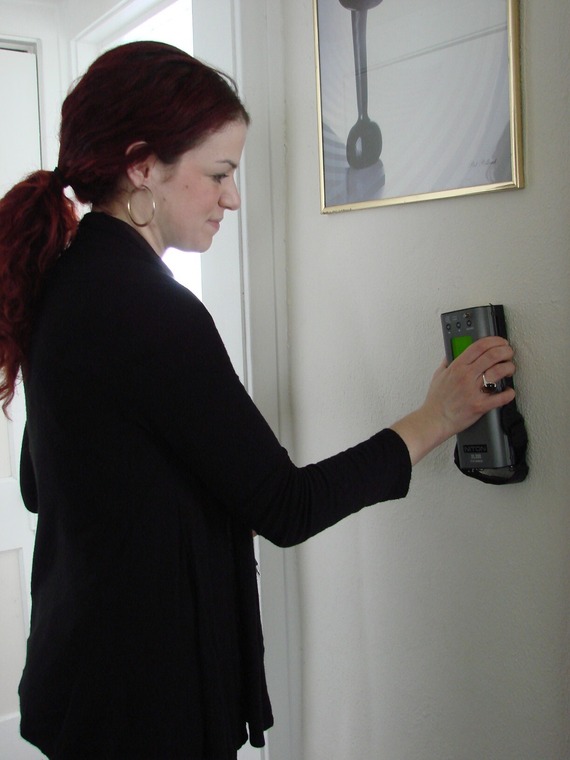 Environmental Health Staff checking for lead paint in a resident's home.
October: Holding Space for Healing and Heritage
October is Domestic Violence Awareness Month, and Oct. 12 is Indigenous Peoples’ Day. Both observances offer opportunities to acknowledge harm that happened long ago and harm that’s still happening in our community, as well as to make room for resilience, joy and strength.
Domestic Violence Awareness Month reminds us that survivors are in our community and are coworkers, clients, friends and neighbors. One of the most powerful actions we can take is simply responding well when someone shares their story. A few words can go a long way: “I believe you.” “This isn’t your fault.” “I’m here to help.” Then let the survivor lead because they’re the expert in their own life.
If you need or someone you know needs support, call the National Domestic Violence Hotline at 800-799-7233.
Indigenous Peoples’ Day began with one person speaking up for his community and grew into a movement. In 1990, Nanwica Kciji, also known as Tim Giago, of the Oglala Lakota Nation in South Dakota wrote a challenge to Governor George S. Mickelson asking for a Year of Reconciliation honoring the Indigenous people of South Dakota. This resulted in a resolution to celebrate Indigenous Peoples’ Day instead of Columbus Day on the second Monday in October. Indigenous Peoples’ Day slowly gained popularity in many cities and states, and in 2021, President Joe Biden signed a presidential proclamation of Indigenous Peoples’ Day. This proclamation acknowledges the centuries-long campaign of violence, displacement, assimilation and terror wrought upon Native American communities and tribal nations throughout the United States, as well as encourages individuals and agencies to recognize the great contributions Indigenous people make in many communities, to intentionally invest in the future of Indigenous people and to empower tribal nations to govern their own communities and to make their own decisions.
This month, take a moment to learn whose land you live and work on via the Native Land website, visit the Detroit Institute of Arts’ Contemporary Anishinaabe Art exhibit or support an Indigenous-owned business.
Join our team!
The Oakland County Health & Human Services Department is hiring! Visit the job listings for details and to apply.

More information from the Health Division and the Neighborhood & Housing Development Division
Check out the Health Division webpage and the Neighborhood & Housing Development Division webpage for information about our services and various topics. You can call us at 800-848-5533, Monday-Friday, 8:30 a.m.- 5 p.m.
Update your preferences for Oakland County email and text communications.

|



