|
Welcome to the latest Macomb County COVID-19 Update. Keep reading for important news and information on expired COVID-19 tests, understanding how COVID-19 vaccines work, preparing for long COVID healthcare appointments, flu and COVID-19 vaccines, precautions if you think you have COVID-19, and having a COVID-19 plan.
Take care and stay safe.
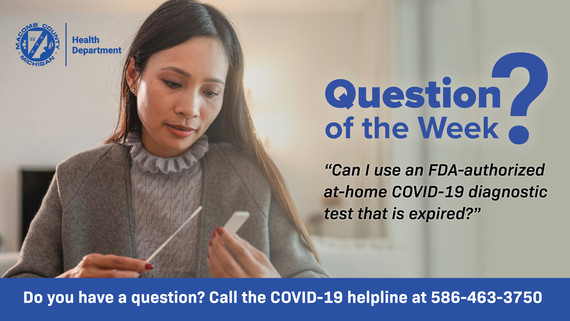 No, the FDA does not recommend using at-home COVID-19 diagnostic tests beyond their authorized expiration dates. COVID-19 tests and the parts they are made of may degrade, or break down, over time. Because of this, expired test kits could give inaccurate or invalid test results.However, the expiration dates for at-home COVID-19 diagnostic tests may be extended as additional stability data is collected. You can check the Expiration Date column of the List of Authorized At-Home OTC COVID-19 Diagnostic Tests
You can find more information about expired COVID-19 tests here.

Understanding How COVID-19 Vaccines Work - Different types of vaccines work in different ways to offer protection. With all types of vaccines, the body is left with a supply of “memory” T-lymphocytes as well as B-lymphocytes that will remember how to fight that virus in the future.
It typically takes a few weeks after vaccination for the body to produce T-lymphocytes and B-lymphocytes. Therefore, it is possible that a person could be infected with the virus that causes COVID-19 just before or just after vaccination and then get sick because the vaccine did not have enough time to provide protection.
Sometimes after vaccination, the process of building immunity can cause symptoms, such as fever. These symptoms are normal signs the body is building immunity.
Get more information on how COVID-19 vaccines work here.
You can schedule an appointment for a COVID-19 initial dose or booster dose or a seasonal flu vaccination with the Macomb County Health Department here.
|
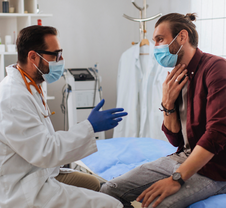
Long COVID: Preparing for Healthcare Appointments - If you think you or a loved one may have a post-COVID condition (new or persistent conditions occurring 4 or more weeks after initial infection), taking a few steps to prepare for your meeting with a healthcare provider can make all the difference in getting the proper medical evaluation, diagnosis, and treatment.
To help get the most out of appointments for post-COVID conditions, download the Healthcare Appointment Checklist.
Try to arrive early or log on a few minutes ahead of the appointment and ensure paperwork is completed on your appointment day.
After visiting your healthcare provider, review your notes to prepare for your next appointment.
If you think you or a loved one may have a post-COVID condition, you can get more information here.
|

Isolate and Take Precautions if You Have or Suspect You Have COVID-19 - If you have COVID-19, you can spread the virus to others. There are precautions you can take to prevent spreading it to others: isolation, masking, and avoiding contact with people who are at high risk of getting very sick. Isolation is used to separate people with confirmed or suspected COVID-19 from those without COVID-19. These recommendations do not change based on COVID-19 Community Levels.
If you have COVID-19, see additional information on treatments that may be available to you.
|
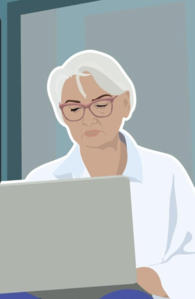
Have a COVID-19 Plan - Make a COVID-19 plan now so you’re prepared.
Consider how others may help you if you get sick and identify the supplies you may need. Plan for options for work, childcare, and other responsibilities that may cause stress if you were to become sick.
Share your COVID-19 plan with your family, friends, and healthcare providers so they can support your prevention and preparation steps. Learn more about building your personal COVID-19 plan.
|
- How will life change once the COVID-19 emergency ends? read more
- An FDA committee votes to roll out a new COVID vaccination strategy read more
- COVID-19 shot now among routine vaccines recommended by CDC for children read more
The Macomb County Health Department continues to respond to the ever-evolving nature of COVID-19 pandemic. For the latest COVID-19 data, news and information, click on the buttons below for helpful resources available to you.
|