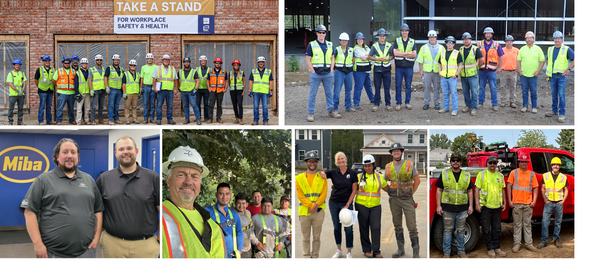
 Scenes from Take a Stand Week across Michigan. Pictured, clockwise from top left: EV Construction in Grand Rapids; Miller-Davis/Landscape Forms headquarters in Kalamazoo; Bacco Construction in Iron Mountain; Chestnut Development; NorthShore Exteriors LLC; and Miba HydraMechanica in Sterling Heights.
MIOSHA's annual Take a Stand for Safety and Health event brought MIOSHA staff to workplaces across Michigan Aug. 10-14 for voluntary, penalty-free safety and health visits.
A total of 208 workplaces signed up for the event, giving employers and employees an opportunity to work directly with MIOSHA staff to identify potential hazards, ask questions and strengthen workplace protections before an injury or illness occurs.
Take a Stand gives employers an opportunity to invite MIOSHA Consultation Education and Training staff and other agency experts into their workplaces for voluntary safety and health visits. The focus is on identifying potential hazards, answering questions and helping employers strengthen protections before an injury or illness occurs.
The visits come with no citations or penalties, allowing employers and employees to work directly with MIOSHA staff to address safety and health concerns.
Take a Stand Event in Action
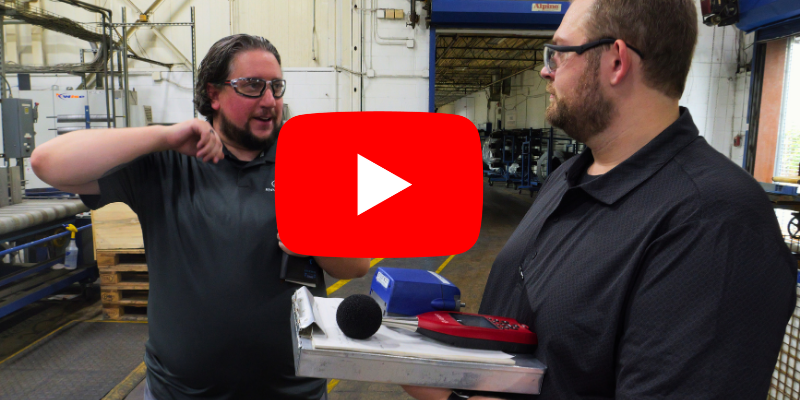
At Miba HydraMechanica in Sterling Heights, MIOSHA Senior Industrial Hygienist Noah Stempniewski joined company representatives for a firsthand look at operations throughout the facility.
The visit provided an opportunity for MIOSHA and the Miba team to walk through work areas together, discuss potential hazards and talk about ways to continue improving workplace safety and health.
The collaborative approach is at the heart of Take a Stand: bringing MIOSHA expertise directly into the workplace and creating opportunities for employers and employees to ask questions and address concerns in real time.
Watch: Inside a Take a Stand Visit at Miba HydraMechanica
 An Employer Perspective
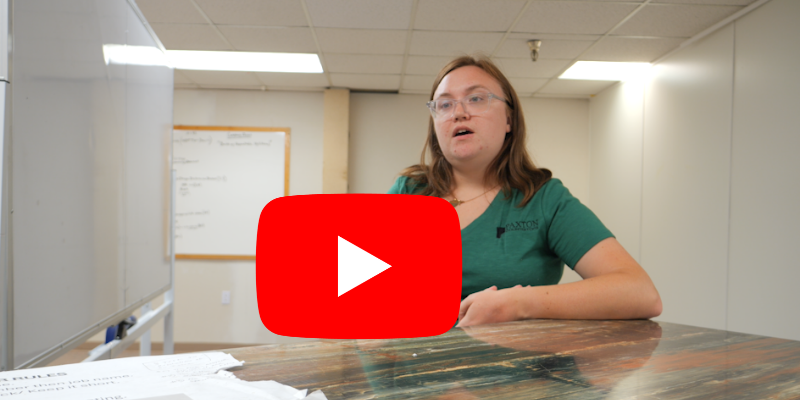
At Paxton Products, Communications Director Rachel Wyatt shared what the company has gained from working directly with MIOSHA and why employers should take advantage of available consultation resources.
Watch: Paxton Products on Working With MIOSHA
 MIOSHA’s Consultation Education and Training Division provides free, confidential safety and health assistance to Michigan employers throughout the year. Services can include onsite consultations, hazard assessments, training and other resources designed to help employers build safer and healthier workplaces.
The Take a Stand event may have ended, but the opportunity to take a proactive approach to workplace safety continues year-round. Learn more about MIOSHA consultation, education and training services at Michigan.gov/CET.
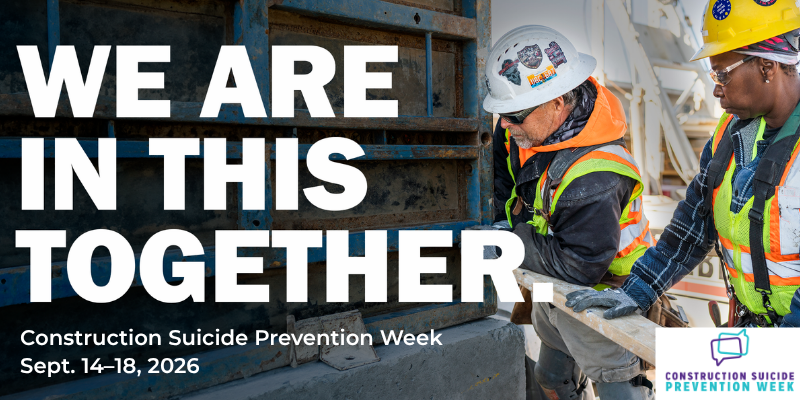 Construction Suicide Prevention Week is Sept. 14–18, and this year's theme, “Building on Progress,” recognizes the work already underway across the construction industry while emphasizing that continued action is needed to support workers and prevent suicide.
The week begins Monday, Sept. 14, with a national stand-down. Construction employers and workers across the country are encouraged to pause for one minute of silence to remember those lost to suicide and recommit to protecting the mental health and well-being of the people who build our communities.
This year’s campaign also includes a simple pledge: learn at least one new way to seek help for someone in need. That could mean learning how to access an employee assistance program, becoming familiar with available crisis support or using a toolbox talk to start a conversation with coworkers.
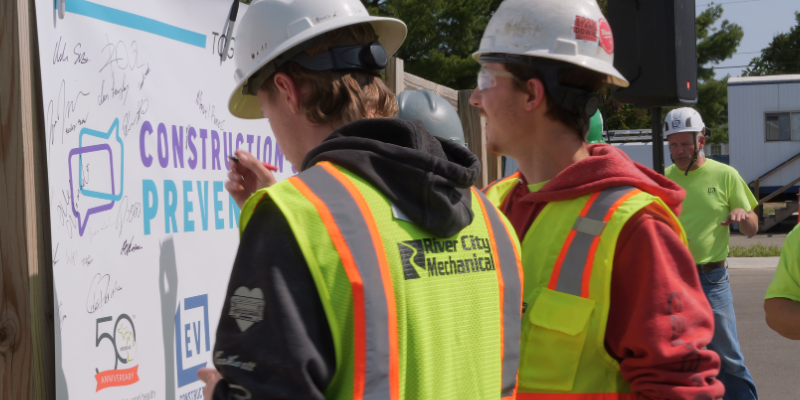 Workers sign a Construction Suicide Prevention Week display during a 2025 event in Lansing.
Start the Conversation on Your Jobsite
Supporting mental health does not require employers or supervisors to have all the answers. It starts with creating a workplace where workers know they can speak up and where help is easy to find.
During Construction Suicide Prevention Week, employers can:
- Hold a toolbox talk or safety stand-down focused on mental health
- Participate in the Sept. 14 national moment of silence
- Make employee assistance and crisis-support information easy to find
- Encourage supervisors to regularly check in with their crews
- Remind workers to look out for changes in coworkers and reach out when something seems wrong
- Include mental health and suicide prevention in ongoing workplace safety discussions
Construction workers can face demanding schedules, time away from family, physical injuries, chronic pain and other pressures that can affect mental health. OSHA notes that the suicide rate among construction workers is about four times higher than the general population.
Just as workers are encouraged to recognize physical hazards and speak up when something is unsafe, they should know it is OK to speak up when they or a coworker need support.
Construction Suicide Prevention Week is an opportunity to start those conversations — but they should not end when the week is over.
Resources
Learn more about workplace mental health at Michigan.gov/HealthyWorkHealthyMind.
|
 |
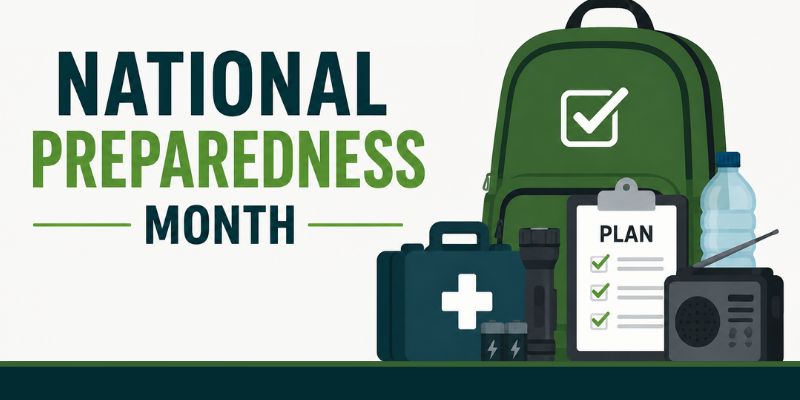 September is Preparedness Month nationwide— a good time for employers to review emergency procedures, test their plans and make sure workers know what to do when the unexpected happens.
In Michigan, severe thunderstorms, tornadoes, flooding, winter weather and other emergencies have provided plenty of reminders that disasters can happen at any time.
For workplaces, preparation can make a critical difference. Michigan’s Preparedness Month proclamation encourages businesses to establish emergency preparedness programs and develop, implement and test all-hazards emergency plans.
A good place to start is with a simple question: Would everyone know what to do if an emergency happened today?
Plan for the Hazards You Face
Every workplace is different, and emergency planning should reflect the hazards employees could realistically encounter.
Depending on the workplace, that could include severe weather, fire, flooding, a chemical release, power failure or another event that requires employees to evacuate, shelter in place or take other action.
Employers should establish clear procedures before an emergency occurs. Consider:
- What conditions will activate the emergency plan?
- How will employees be notified?
- Who has the authority to make decisions during an emergency?
- When should employees evacuate or shelter in place?
- What routes and exits should employees use?
- How will employees be accounted for after an evacuation?
- Who has specific emergency responsibilities?
The answers will vary by workplace, but employees should know what is expected of them before an emergency happens.
Make Sure Workers Know the Plan
Having a written plan is only the beginning.
Workers should know how they will receive emergency information, where they are expected to go and what responsibilities they may have. Employers should also account for visitors, contractors and employees who may need additional assistance.
New employees should learn emergency procedures as part of their training, and workers should be informed whenever procedures or responsibilities change.
It is also important to make responsibilities clear. Who will contact emergency responders? Who will direct an evacuation? Who will account for workers at the designated assembly location? Are backup employees prepared to take over those responsibilities if necessary?
An emergency is not the time to work out those details.
Practice Before It Counts
Even a well-developed plan can reveal problems when it is put into practice.
Emergency drills give employers an opportunity to see how employees respond, whether evacuation routes work as intended and whether everyone can be accounted for.
A drill might reveal confusion about an assembly location, unclear responsibilities or an evacuation route that is no longer practical. Identifying those issues during a practice run gives employers an opportunity to address them before a real emergency.
Plans should also change as workplaces change. New employees, different facility layouts, new equipment or changes in operations can all affect emergency procedures.
Regularly testing and reviewing the plan can help ensure it still works when workers need it most.
Find Emergency Preparedness Resources
Be ready before an emergency happens. OSHA’s Emergency Preparedness and Response webpage provides information for employers and workers on preparing for emergencies, including evacuation and shelter-in-place procedures, severe weather, chemical incidents, emergency response and other workplace hazards.
Explore OSHA’s Emergency Preparedness and Response resources
For emergency, auto and pet preparedness kit checklists and more information on preparing your family for emergencies, visit Michigan.gov/MIReady/Plan-Ahead.
Variances from MIOSHA standards must be made available to the public in accordance with Part 12, Variances (R408.22201 to 408.22251). MIOSHA variances are published online at:
Michigan.gov/mioshavariances.
There have been 33 work-related fatalities reported to MIOSHA in 2026. The information below shares preliminary details about those fatalities, which are believed to be covered by the MIOSH Act. The description reflects information provided to MIOSHA at the initial report of the incidents and are not the result of any official MIOSHA investigation.
Preliminary summaries of all fatalities are available at Michigan.gov/mioshafatalities.
Preliminary Summary of Recent Incidents
On Aug. 27, a 55-year-old gutter installer was replacing gutters on a two-story home when the victim fell from the roof onto the grass below.
On Aug. 20, a 50-year-old owner was cutting down a tree at a private residence when the tree fell onto a power line. Another worker used a skid steer to lift the victim so the victim could attempt to push the tree off the power line. The victim was electrocuted and died at the scene.
On Aug. 18, a 43-year-old maintenance technician was welding inside a pneumatically powered scrap chute when the pneumatic clamshell closed, causing fatal injuries.
On Aug 13, a 48-year-old journeyman line worker was performing overhead electrical work and was electrocuted.
On July 24, a 53-year-old telecommunications technician was dispatched to a residential location to repair a telecommunications line. After the employee failed to respond, the supervisor went to the worksite and observed the utility truck parked with the aerial lift bucket in the raised position. The supervisor lowered the bucket and found the employee unresponsive.
Quick Links
Agency/Division Instructions/Memorandums
Air Contaminants Initiative
Asbestos Program
CET Request for Consultative Assistance Services (RCA)
CET Training Calendar
Construction Safety and Health Division (CSHD)
Contact MIOSHA (phone and email)
DVD/video Library Service
Employee Safety Health and Discrimination Complaint Forms
Fall Prevention Campaign (Stop Falls. Save Lives)
General Industry Safety and Health Division (GISHD)
Hazard Communication/GHS
Laboratory and Equipment Services
Michigan Alliances
Michigan Safety and Health Achievement Recognition Program (MSHARP)
Michigan Voluntary Protection Program (MVPP)
MIOSHA FOIA Request
MIOSHA News
MIOSHA Publications
MIOSHA Recordkeeping
MIOSHA Standards
MIOSHA Take a Stand Week
MIOSHA Training Institute (MTI)
MIOSHA Updates
MIOSHA Variances
Radiation Safety Section
Residential Construction
Strategic Plan and Initiatives
|