
RELEASE: Gov. Whitmer Joins Dedication of Flint State Park, Marking Michigan’s 104th State Park
Michigan Executive Office of the Governor sent this bulletin at 11/19/2026 04:32 PM EST
FOR IMMEDIATE RELEASE
November 19, 2026
Contact: press@michigan.gov
DNR Parks and Recreation Chief Thomas Bissett, 517-284-6120
Gov. Whitmer Joins Dedication of Flint State Park, Marking Michigan’s 104th State Park
Years in the making, it’s the first state park in Genesee County
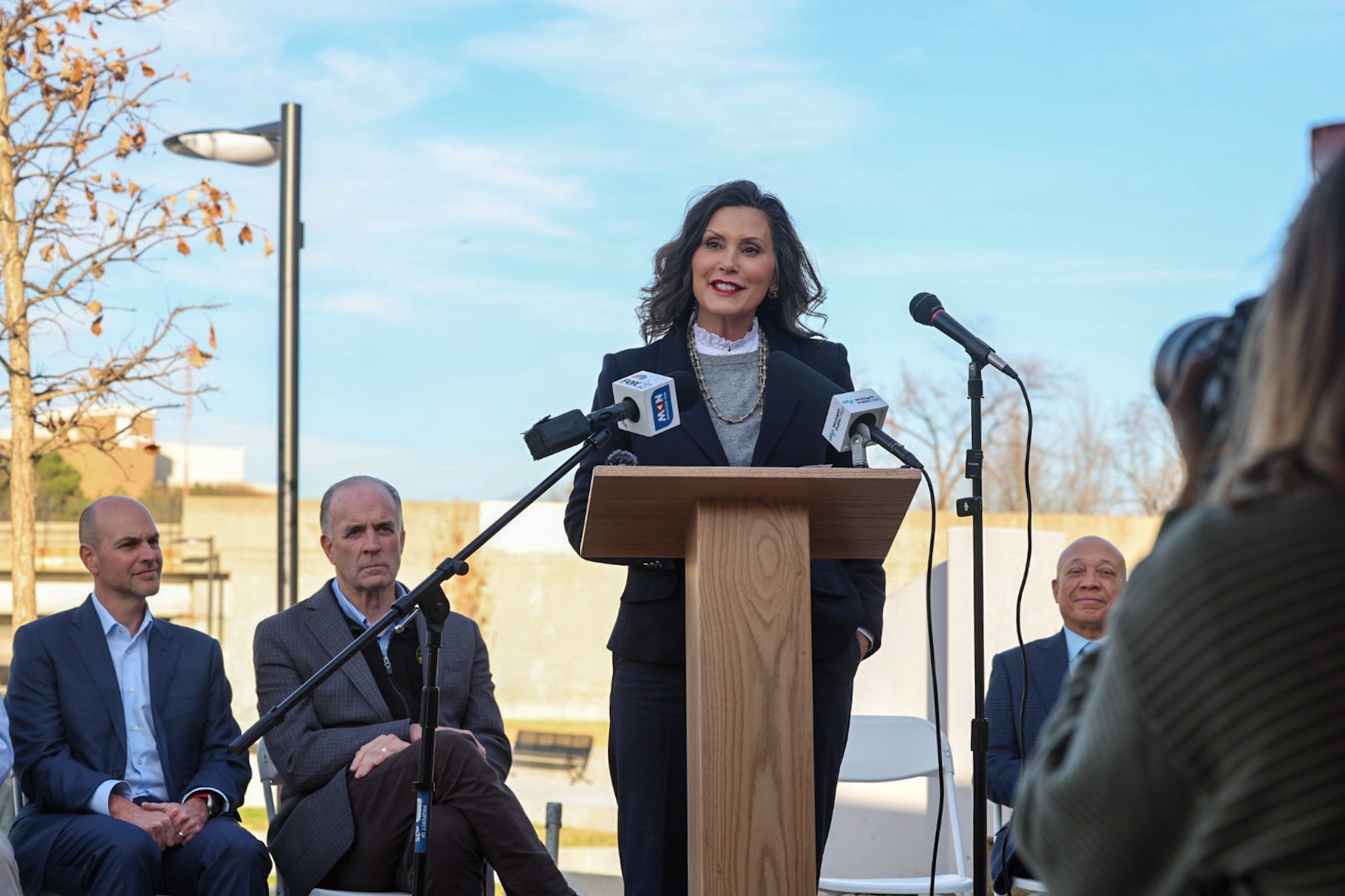
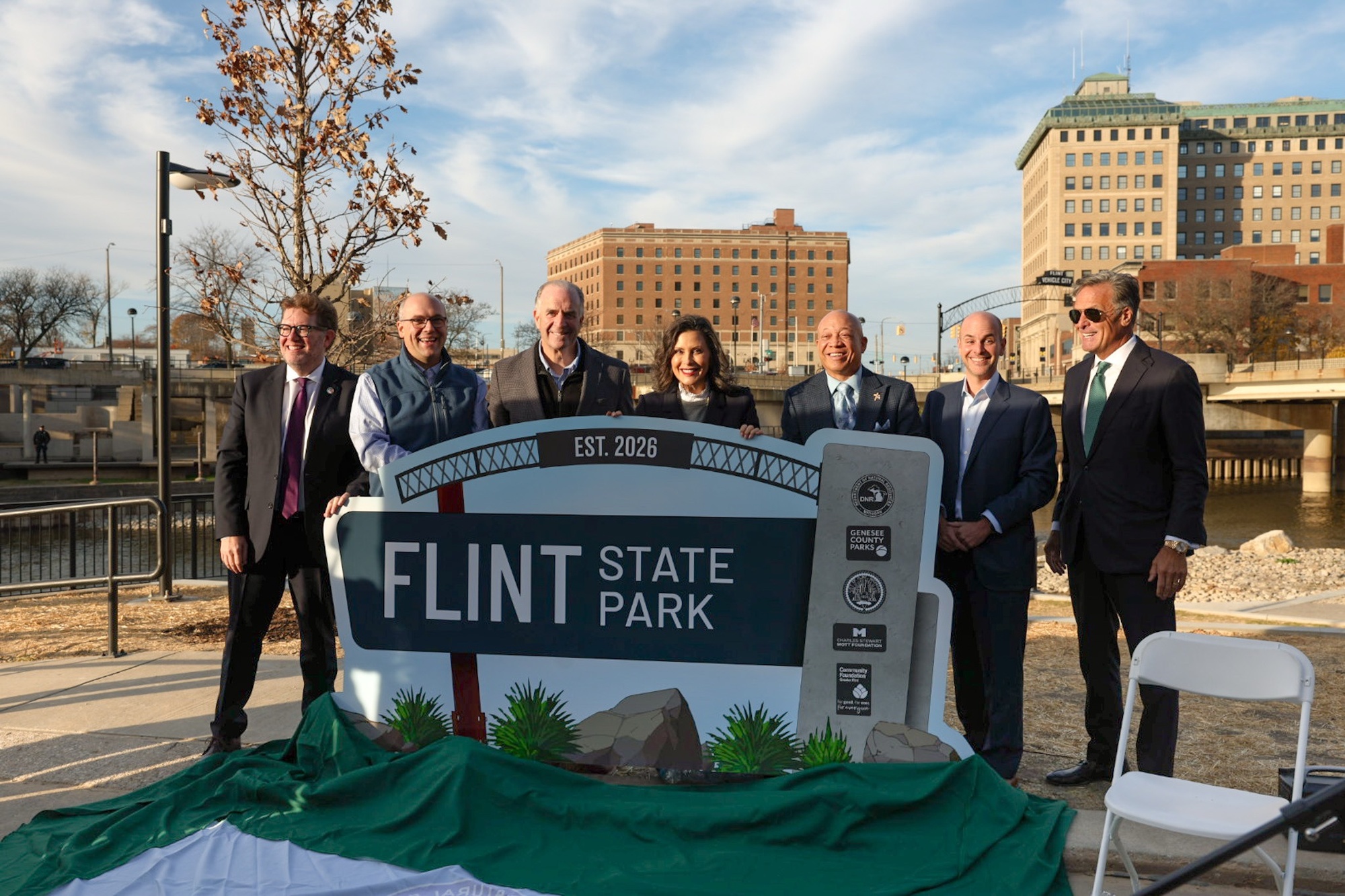
LANSING, Mich. -- Today, Governor Gretchen Whitmer joined state, county and local officials, community leaders and many others at Riverbank Park in Flint to celebrate the long-awaited dedication of Flint State Park, Michigan’s 104th state park and the first state park in Genesee County. It brings together the area’s five existing parks under the banner of a state park, energizing the riverfront, creating more diverse recreation opportunities and bringing economic benefits to the city.
“Parks are the heart of our communities, and this new state park in Flint is a multigenerational investment that will support small businesses, create jobs, and give people outdoor space to enjoy with friends and family,” said Governor Whitmer. “Flint State Park will also help residents and visitors enjoy Michigan’s precious natural resources. Supporting the people of Flint was part of my ‘why’ for running for governor, and this park reflects our commitment to reversing decades of disinvestment and delivering for this community.”
During her tenure, Whitmer has prioritized transforming Flint by rebuilding critical infrastructure like I-475, launching the nation-leading Rx Kids program to support families and combat infant poverty, and replacing more than 11,000 lead service lines to restore safe drinking water. Together, these investments have strengthened Flint’s economy, improved quality of life, and helped ensure a brighter future for residents and generations to come.
Thursday’s ceremony was a full-circle moment for celebrating Flint State Park, which has been a yearslong outdoor recreation project made possible through more than $100 million in federal, state and philanthropic funding, which includes approximately $30.2 million from Whitmer’s Building Michigan Together Plan.
Flint State Park is just one outcome of a more than $473 million American Rescue Plan Act (ARPA) funding package — the largest single investment in state and local parks in Michigan’s history and a centerpiece of Gov. Whitmer’s conservation legacy. That ARPA funding also helped deliver substantial progress on a massive backlog of upgrades and maintenance needs for state parks and trails, as well as key support to local parks statewide and major greenway development in Detroit, Grand Rapids and the Upper Peninsula.
The Park
The approximately 230-acre Flint State Park is located along a 3-mile stretch of the Flint River and a section of the Swartz Creek. It brings together existing local parks and natural areas — Riverbank Park, Chevy Commons, Mott Park Recreation Area, Vietnam Veterans Park and Happy Hollow Nature Area — creating a connected outdoor experience across five distinct park units and connector trails. Visitors will have nonmotorized access throughout the state park and easy access to surrounding neighborhoods, universities, community businesses and the state-managed Iron Belle Trail.
The park is maintained and operated by Genesee County Parks, which operates the largest county park system in the state and maintains parks throughout Flint through a partnership with the city. Flint State Park maintenance is funded by an endowment at the Community Foundation of Greater Flint. Genesee County Parks is supported by core project partners during the current development phase — the Michigan Department of Natural Resources (DNR), the City of Flint, the Charles Stewart Mott Foundation and the Community Foundation of Greater Flint.
“When we started bringing land along the Flint River into public hands through the land bank, the idea was that someday Flint would have a riverfront that belonged to the people who live here. It took a long time and a lot of partners, and now it’s a state park. I’m proud we’ll continue that work at the Community Foundation of Greater Flint by managing the endowment that helps care for the park. Kids growing up in Flint today will someday bring their own kids here,” said Dan Kildee, president and CEO of the Community Foundation of Greater Flint.
Creating Flint State Park involves a monumental development project totaling more than $90 million in new construction. This generational investment in outdoor and recreational amenities is vast and varied. The work includes fully renovating Flint’s downtown riverfront park, building a series of destination play gardens at Chevy Commons and constructing a new 15-mile network of mountain biking and multiuse trails.
Development work also includes restoring access to the Flint River that has been absent for more than a century. The earliest phase of construction restored the downtown stretch of the river by removing dams, which opened the river for recreational uses and opened 25 miles of waterways for fish and aquatic species passage. The full scope of development complements this river restoration work and incorporates countless new opportunities for accessing the river for fishing, kayaking, canoeing and more.
“Michigan’s parks, trails and waterways are central to what people love about our state,” said DNR Director Scott Bowen. “Flint State Park is a shining example of the benefits that come from working together to care for and capitalize on an area’s green spaces, water features and outdoor possibilities. The social, economic and health benefits will ripple far across this community.”
The Vision
The development plan for Flint State Park delivers on planning and engagement that has been in the works for decades. “Reimagining Chevy in the Hole” (2007), “Flint Riverfront Restoration Plan” (2010), “Imagine Flint Master Plan for a Sustainable Flint” (2013) and the University of Michigan-Flint Campus Master Plan (2003) are key plans that created the plan for the new state park. Together, they envisioned a transformed riverfront corridor with new river access and complementary amenities to support outdoor and recreational uses. Decades in the making, Flint State Park is turning these visions into reality.
Before any new construction for Flint State Park began, project leaders hosted community meetings to share concepts, answer questions and gather public feedback about what people most wanted to see developed in a new state park. That outreach welcomed many different voices, including workshops with local elementary-aged children to hear their ideas for the Chevy Commons play gardens.
The Funding
More than $100 million has been secured to create and care for Flint State Park. This includes $30.2 million in federal relief funding that was proposed by Gov. Whitmer and approved by the Michigan Legislature in March 2022 for the development of a new state park in Flint. Over $10 million in Michigan Natural Resources Trust Fund grants also helped set the stage with early land acquisitions and site development and later contributions toward individual park upgrades and Flint River restoration efforts. Additionally, the Charles Stewart Mott Foundation supported this project with nearly $30 million, including a critical $18 million to form an endowment for ongoing maintenance. That endowment funding was then matched by $22 million from a one-time state general fund appropriation. Together, these investments created a $40 million endowment held and managed by the Community Foundation of Greater Flint, ensuring the park’s long-term operation and maintenance.
"Flint State Park is the culmination of decades of conversations and public-private partnerships,” said Ridgway White, president and CEO of the Charles Stewart Mott Foundation. "It's the work of so many hands and hearts — people who recognized the quality of life, opportunities for connection and further investments it would provide. At the Mott Foundation, we believe every person exists in partnership with their community, and this park is a terrific example of the power of partnership."
The Future
Construction for the new park began in 2024 and is ongoing.
- 2024: In-river restoration work was completed, including removing Hamilton Dam and Fabri Dam and restructuring the downtown stretch of the Flint River.
- 2026: Upland construction began.
- Phase I of Riverbank Park renovations began with work along the southern riverbank at Amphitheatre and Market Stall blocks. Once completed, this area will offer a fully renovated amphitheater space for public events, new park amenities for everyday park use (walkways, benches, tables, lighting), increased accessibility and new river access.
- Construction of the new play gardens at Chevy Commons began. This destination space will include renowned play experiences drawing on nature and the area’s history for visitors of all ages and abilities. Features will surround a central lawn and include a zipline, dozens of play structures, a climbing wall made of regionally sourced boulders, seasonal water play features, picnic areas and a restroom.
- Work began building the new 15-mile network of mountain biking and multiuse trails. Once completed, this network will offer complete connectivity throughout the park.
- Work on Phase I of the Grand Traverse Greenway Trail, which is part of the state’s Iron Belle Trail, was completed this fall and is open to the public.
- 2027 and beyond: Upland construction will continue. The Chevy Commons play gardens and the 15-mile trail network are scheduled to be completed in the fall of 2027, while work on interpretation of Flint’s storied history — including its significance to area tribes, industry and organized labor — will be told through collaborations with tribal partners, historians and industry leaders to create interpretive signage and experiences throughout the park.
###
| STAY CONNECTED: | |||
 |
 |

|
|
|
Subscriber Services:: |
