October 2025
FY26 Budget Update
The recently passed state budget includes $2.1 billion for the Michigan Department of Corrections that invests in our workforce, and our operating and programming needs. This will allow the department to continue providing critical services to those in our custody and under our supervision in communities.
- $34.4 million in targeted pay increases for corrections officers and supervisors to further support recruitment and retention efforts. This includes a wage scale restructure which compresses pay steps, making step increases quicker to obtain.
- $1.5 million investment in new technology for correctional facility counts and callouts. The new system will automate these functions, helping facilities become more efficient.
- $1.7 million dedicated to the prevention of contraband, creating a more secure and safe environment for employees and those incarcerated.
“The FY26 budget invests in the things that matter most to Michigan residents – lowering costs, building better infrastructure, and keeping our communities safe,” said MDOC Director Heidi E. Washington. “The investments made to MDOC support our hard-working staff, modernizes the way we perform our essential duties, and cracks down on crime to keep our facilities and communities safe.”
Our department focuses on holding offenders accountable while promoting their success. We use our resources, facilities, and programs as an opportunity to give incarcerated people the tools to be productive citizens when they reenter their communities. This edition of Corrections Connection explores four stories of how vocational training is being used to do that.
MCF Welding Students Building Their Arc of Redemption
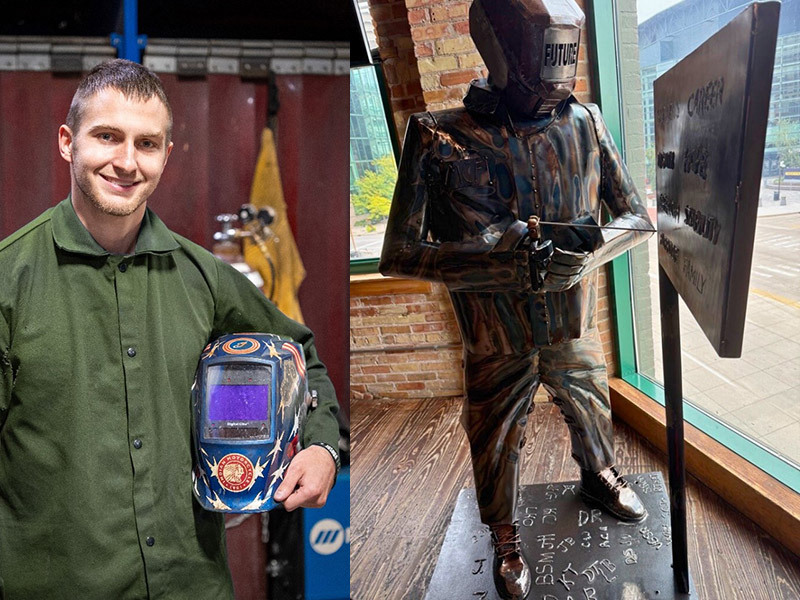
Welding Instructor Jesse Oosterhouse (left) and the completed ArtPrize entry "Arc of Redemption" (right)
The welding class at Muskegon Correctional Facility (MCF), led by instructor Jesse Oosterhouse, entered a welded sculpture in ArtPrize, an annual international art competition and cultural event in Grand Rapids, this year.
Thirty incarcerated men at MCF designed and built the piece under Mr. Oosterhouse's instruction. In the class, students can get up to four certifications from the American Welding Society, making them highly employable after release. The sculpture, entitled Arc of Redemption symbolizes the focus of the men on looking towards their 'future' and focusing on their goals like 'stability', 'career', and 'family'.
Jesse worked in production welding, eventually becoming a plant manager before finding the instructor role at MCF. He is motivated by the impact he can make in his students’ lives, both in their technical skills and personal development. He talks about students telling him they've never had a stable, 'real job' and their excitement of their prospects in the trade. One of the students brought the idea to enter ArtPrize to him, and with the support of facility and department leadership, he incorporated it into the coursework.
He says one way this project has been especially impactful is when loved ones of the incarcerated students have been able to visit ArtPrize to see the piece, tangibly showing their accomplishment and skill development.
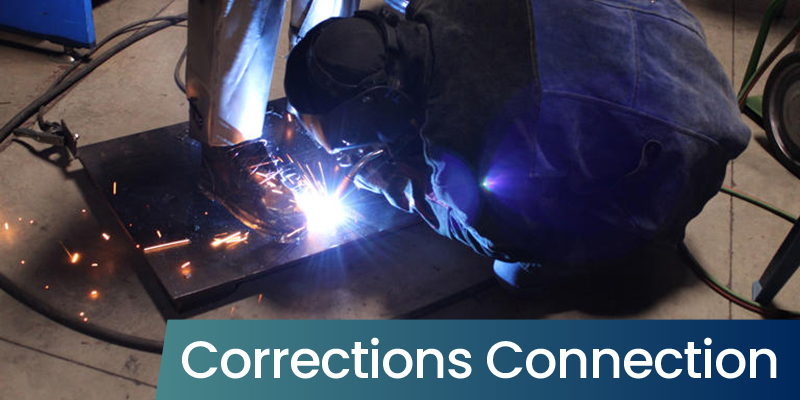
A student works on the piece at MCF
From Classrooms to Communities: Agents Visit the Vocational Village
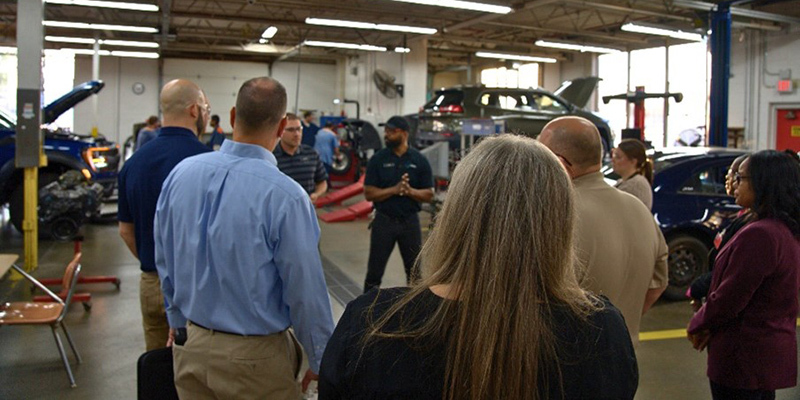
Instructors provide a tour and answer questions for agents in the automotive trades area of MTU
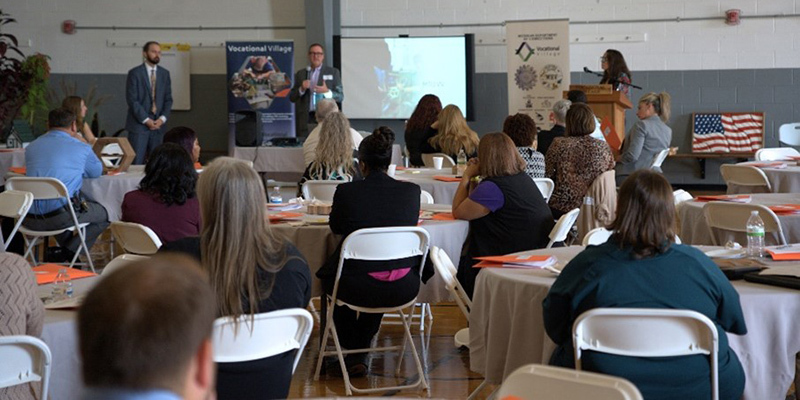
Parole agents from across Michigan visited the Vocational Villages at Parnall (SMT) and Richard A. Handlon (MTU) Correctional Facilities for a series of conferences. The visits began with classroom tours, where instructors explained their programs, followed by presentations from Director Washington, Deputy Director Marlan, Administrator Kaminski, and Education staff.
Since these agents supervise Vocational Village graduates, understanding the program firsthand helps them better support those under their supervision during reentry. Former graduates also joined to share their experiences with both agents and current students.
Seeing the trades programs hands-on and learning about the day-to-day of a villager also provides a point of connection for the agents before supervision begins. By strengthening connections between facility staff, field staff, and participants, the impact of the Vocational Village is amplified.
Administrator Kaminski, Deputy Director Marlan, and Director Washington present to agents
A Recipe for Success
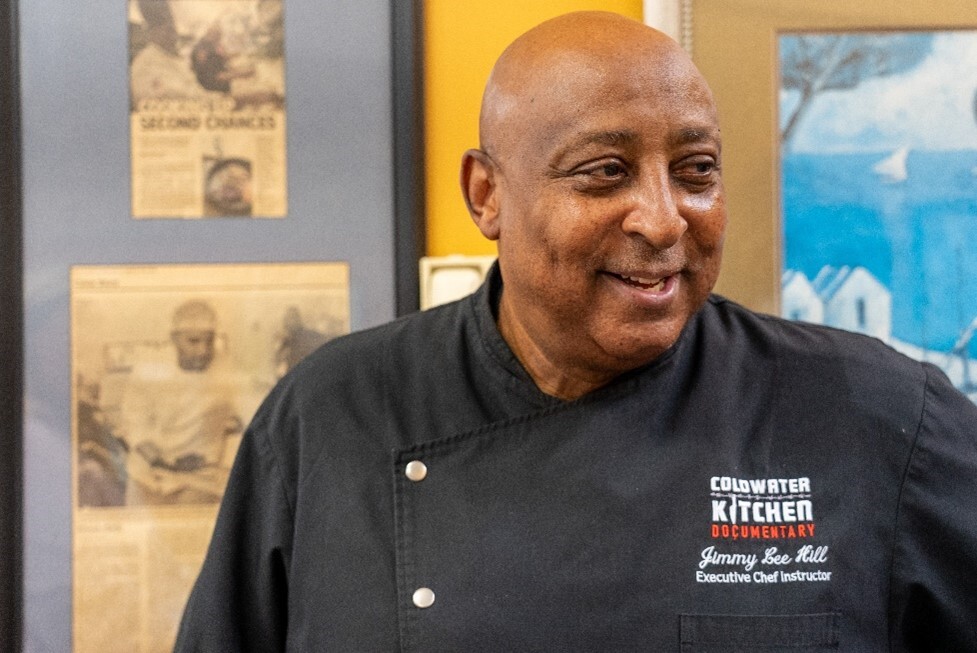
Chef Jimmy Hill in his classroom at LCF
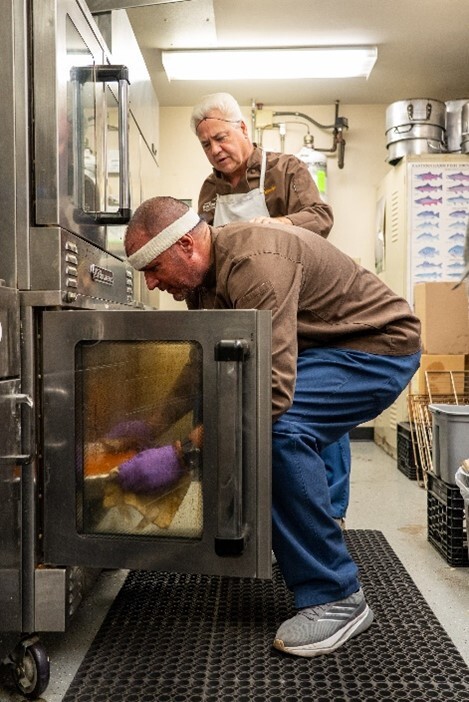
Chef Jimmy Hill teaches at the Saffron Cafe, his food tech classroom at Lakeland Correctional Facility (LCF) in Coldwater. Up to 50 students learn hands-on about the stations and techniques chefs need to know in a professional kitchen.
Chef Hill has worked at LCF for 37 years, finetuning his program where students can get several food service certifications that make them highly employable after release. In fact, a documentary was created about his class, Coldwater Kitchen, which won a highly regarded James Beard Foundation award.
A key element of the Saffron Cafe is the garden tended by Chef Hill and his students, with produce prepared quite literally from farm to table. Facility staff can enjoy a rotating menu of meals each Thursday, prepared by the current class.
This summer, in another recognition of his innovative work, Chef Hill was honored with the prestigious Cutting Edge Award at the American Culinary Federation (ACF) National Convention. The ACF also announced the creation of a scholarship in his honor.
Jimmy Hill is a one-of-a-kind part of the MDOC team whose innovation, dedication, and expertise contribute to the progress we are making in preparing those in our custody to be productive members of society.
|
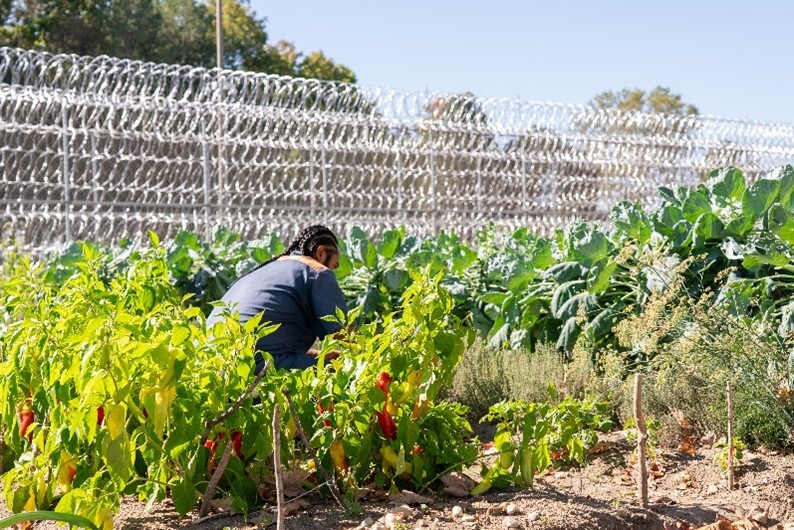 |
A food tech student in the garden section of Chef Hill's class area
Sal’s Route from the Vocational Village to the Vendor Window
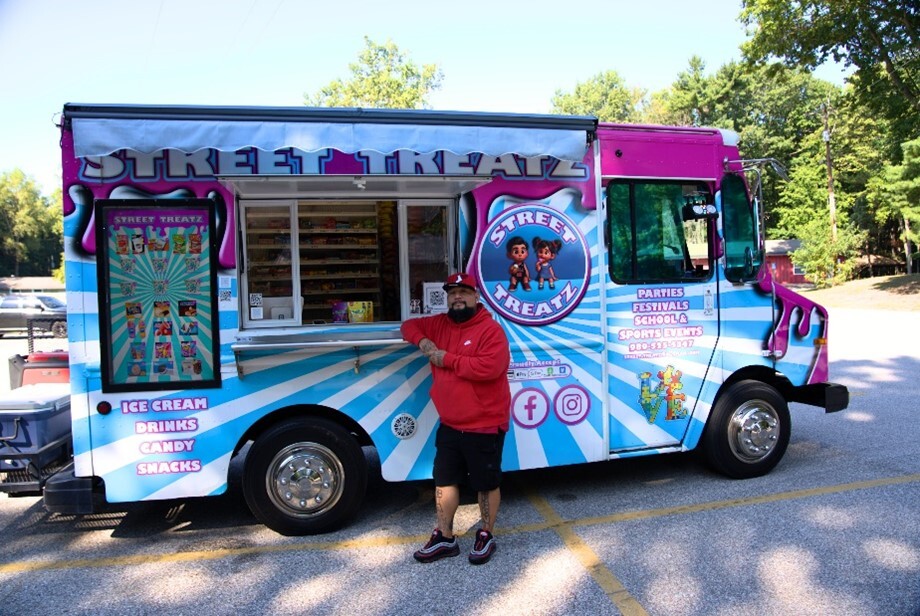
Sal stands next to the food truck he owns and operates
As one of the early Vocational Village graduates, Sal has built a good life for himself and his family after reentering with certification in CNC machining.
He currently owns and operates a highly successful food truck business, starting with a truck that he customized from an old mail vehicle he bought. When he was released from prison almost 8 years ago, he already had a job lined up. He worked directly in the machining trades for several years, but after his son was diagnosed with autism, he used the income he had saved to begin his own business. That way he could have more flexibility to care for his son.
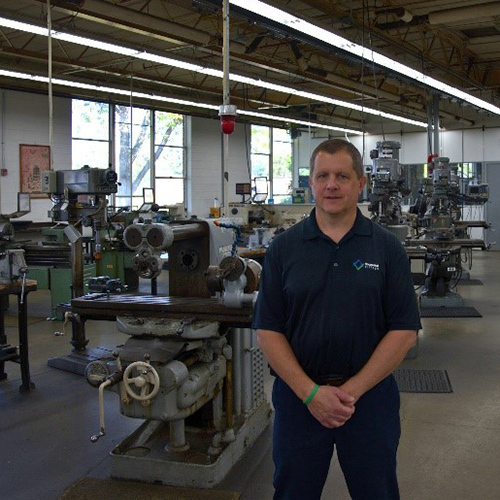
CNC Instructor Brent Drake in the CNC shop at MTU
While at the Village, Sal was impacted by CNC instructors Brent Drake and Chad Haney. Mr. Drake, who has taught CNC with MDOC for 17 years, remembers Sal as a focused student who was committed to learning skills to provide for himself and his family. Sal keeps his CNC shop notes and instruction book on his dresser as a reminder of where he has been and where he is now.
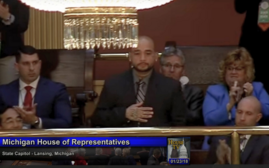
In 2018, shortly after reentry, Sal was featured by then Governor Rick Snyder during his State of the State address as a success story from the Vocational Village. It is a testament to Sal's continued hard work and the dedication of Village staff like Mr. Drake that he continues to be an asset to his family and community today.
|
MDOC Minute: a Helpful Tip

We've recently updated our webpage outlining how to securely send loved ones money or approved items like books. Understanding and abiding by these processes will help ensure money and goods make it to the prisoner as quickly as possible.
The webpage can be accessed by visiting: Send a Prisoner Goods or Money
|
|