Maternal Infant Health - Health Equity & COVID19 Updates
Michigan Dept of Health & Human Services sent this bulletin at 06/01/2020 03:38 PM EDT
Please visit our website at Michigan.gov/Coronavirus for up to date information. We will continue to share information and frequent communications to our maternal infant health network. For more information on Maternal & Infant Health visit Michigan.gov/MIHEIP.
Southeast Michigan IBCLC’s of Color: with support from the Michigan Breastfeeding Network the IBCLC's are advancing their work to provide direct services to parents and babies in Detroit. They are assisting with PPE for both Lactation Consultants and mothers, and offer weekly virtual breastfeeding classes and support groups for free.
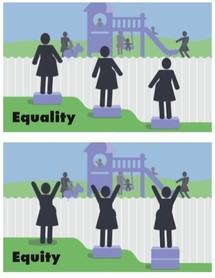
The Society for Maternal-Fetal Medicine (SMFM)is deeply concerned with racial and ethnic disparities in health outcomes and health care during pregnancy, childbirth, and the postpartum period. SMFM strongly encourages physicians to be conscious of social determinants of health and inequality; to pursue training in implicit bias and cultural humility; and to ultimately work towards a goal of health equity. Read more SMFM Position Statements on Birth Equity.
SMFM also released new infographics for your convenience:
Michigan Home Visiting: Maternal Infant Health Program (MIHP) is Michigan’s largest evidence-based home visitation program for Medicaid eligible pregnant moms and infants. As the COVID-19 pandemic crisis unfolded and Michigan began following "Stay Home Stay Safe" provisions, Michigan's home visiting programs quickly shifted gears.
Listening to Families Survey: Families reported that home visitors are using virtual platforms and phone calls which has been a great support. Some of the home visiting program supports include providing activities and learning ideas for children, helping connect families to community resources, listening to families, and reminding families of the importance of self care. Michigan Home Visiting Impact Survey: home visiting programs were able to continue to reach and serve the families enrolled & many are continuing to enroll new families. Many cited the digital divide and lack of adequate internet/Wi-Fi access to be an issue for interacting with families.
WEBINAR: The CDC COVID-19 Response: Promising Practices in Health Equity Tuesday, June 2, 2020 from 3:00 - 4:00 p.m. ET Sharing promising public health practices to reduce COVID-19 related disparities. Presenters will discuss the actions their cities have taken to mitigate the disproportionate impact on racial and ethnic minorities. Speakers will take ideas a step further and examine how they can be integrated into longer-term strategies for lasting impact that strengthens future responses and advances health equity.
WEBINAR: COVID-19 and Health Equity: Voices from Health Departments Thursday, June 4, 2020 from1:00 - 2:00 pm ET COVID-19 is magnifying the deep cracks in our healthcare system, protections for working people, and disproportionately impact people of color. Presenters will discuss how public health can play a role in advancing long-term solutions that center equity. Human Impact Partners is co-hosting the event in partnership with APHA, ASTHO, Big Cities Health Coalition, HealthBegins, and NACCHO.
COVID-19 in Racial and Ethnic Minority Groups CDC Report The effects of COVID-19 on the health of racial and ethnic minority groups is still emerging; however, current data suggest a disproportionate burden of illness and death among racial and ethnic minority groups. The data suggests an over representation of blacks among hospitalized patients. Among COVID-19 deaths for which race and ethnicity data were available, New York City.
Strategies for Reducing Health Disparities: Selected CDC-Sponsored Interventions Implementing evidence-based programs that advance health equity can help ensure that all people have the opportunity for long and healthy lives. Public health professionals and community workers can design and implement strategies for reducing health disparities.