 |
|
Town of New Gloucester
385 Intervale Road, New Gloucester, ME 04260
(207) 926-4126 (phone) / (207) 926-4136 (fax)
|
Town of Poland
1231 Maine Street, Poland, ME 04274
(207) 998-4601 (phone) / (207) 998-2002 (fax)
|
|
 |
“Vote in Honor of a Veteran” Buttons Available
The Secretary of State’s Office is taking orders for buttons to honor our veterans on Election Day. The button, which reads “I'm Voting in Honor of a Veteran,” is personalized with the name of a veteran the voter wants to recognize for his or her sacrifices to ensure our freedoms, including the right to vote.
Order forms for the Vote in Honor of a Veteran button can be found online at here. The buttons are mailed directly to voters’ homes, and there is no cost for the button or for shipping. To receive the button before Election Day, voters should place their orders as soon as possible.
Vigilance Is Still Needed as HPAI Continues to be Detected in Maine's Wildlife
Maine Animal Health Officials Encourage Bird Owners to Continue Protecting Flocks from HPAI as Wild Birds Migrate.
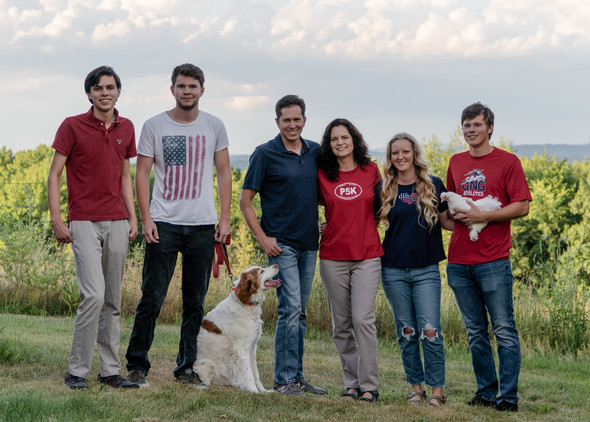 If you have chickens like my family does, here's how you can keep them safe from Avian flu.
Highly pathogenic avian influenza (HPAI) is a highly contagious virus that can be spread in various ways from flock to flock, including through wild birds, contact with infected poultry, equipment, and on the clothing and shoes of caretakers. Starting in February 2022, the Department of Agriculture, Conservation, and Forestry (DACF) reported detecting 12 cases of the disease in domestic birds, all involving non-commercial backyard flocks. The DACF found these cases in six counties across the State. Though the DACF has not reported any HPAI cases in domestic bird flocks since June 29, 2022, the virus is still being detected in wild birds.
Some Key Steps Remain Fundamental to Protecting the Health of Maine's Domestic Birds
- Prevent contact between domestic and wild birds by bringing them indoors or ensuring their outdoor area is fully enclosed.
- Practice strict biosecurity measures, including washing hands before and after handling birds, and when moving between different coops, wearing clean clothes, and keeping vehicles clean and free of dirt, manure, and other organic material.
- Disinfect boots and other gear when moving between coops.
- Do not share equipment or other supplies between coops or other farms.
- Clean and disinfect equipment and other supplies between uses.
- Use well or municipal water as drinking water for birds.
- Keep poultry feed secure to ensure no contact between the feed/feed ingredients and wild birds or rodents.
- Avoid visiting other farms, homes, or facilities with birds.
- Know the signs of HPAI and monitor the health of birds regularly.
For a snapshot of HPAI in Maine, the State's response, a list of frequently asked questions, and additional HPAI resources, click here.
To report sick poultry or unusual domestic bird deaths, call the USDA's toll-free sick bird hotline at 1-866-536-7593.
To report a strange-acting or dead wild bird, call the Maine Department of Inland Fisheries and Wildlife at (207) 287-8000 -- after-hours, evenings, and weekend, please call (800) 452-4664.
Voter Information
Voter Information Lookup Service - Find election information based on your home address. This information includes the location of your voting place, the candidates that will appear on your ballot, a sample ballot, your elected officials and how to contact them.
Hunters for the Hungry Program
The Maine Hunters for the Hungry Program was founded in 1996 and its impact has grown steadily ever since. Maine sportsmen and sportswomen can play a major role in game management while providing wild game meat to hunger relief locations across the State. The Maine Department of Agriculture, Conservation, and Forestry facilitates the donations to food pantries, soup kitchens, and shelters affiliated with the Emergency Food Assistance Program. There are a limited number of food assistance sites with the capacity to accept wild game meat.
The Maine Hunters for the Hungry Program is a collaboration with Maine Department of Inland Fisheries and Wildlife that works with the Maine Warden Service, State biologists, Maine State Troopers, and hunters towards a common goal of helping Mainers in need.
The Program accepts bear, deer, and moose donations. When a connection can be made between a donor, processor, and pantry, hunters do not pay for the processing of donated meat. Meat processing costs are paid for by the Department of Agriculture, Conservation, and Forestry or the charity that receives the food. Hunters choosing to keep their game can still donate a few pounds to the Program. Meat processors interested in participating should call (207) 287-3491 or email H4H@maine.gov.
The Program has been successful annually by supplying lean, high-protein meats to food pantries, soup kitchens, and homeless shelters throughout Maine.
For more information, click here.
The Maine Hunters for the Hungry Program encourages generous hunters to contact approved meat processors directly to inquire about capacity. Approved processors are required to have a direct relationship with the food pantries, soup kitchens, and shelters where the donated game meat will be distributed. Before receiving donated game animals to be processed, contact your food pantry to be sure they have space and arrange a pick-up or delivery. The Program is currently facing a labor shortage and as a result cannot assist in distribution of game donations.
|