|
Planning has begun for the 2019
Maine Shared Community Health Needs Assessment (CHNA). This collaboration
between Maine CDC, Central Maine Healthcare, EMHS, MaineGeneral, MaineHealth, and numerous other organizations creates a triennial assessment of the health
of Maine people.
Indicators have been selected to describe health
outcomes, health behaviors, healthcare access and quality, and the social,
community, and physical environment that affects health. Local committees
are being formed to plan for community conversations about the data and health
priorities later in 2018. Contact
Jo Morrissey, Project Manager,
to get involved.
The 2016
Maine Share CHNA provided key information for hospitals’ community benefit
programs across the state, as well as for the district public health
improvement plans and the soon to be finalized State Health Improvement Plan.
Influenza activity in Maine is widespread with laboratory confirmed
influenza reported in all sixteen counties. Maine’s Health and Environmental
Testing Laboratory (HETL) has confirmed Influenza A/H1N1, influenza A/H3, and
influenza B/Yamagata in Maine indicating most strains are circulating. Maine
CDC has followed up on 33 outbreaks as of January 9. Flu vaccination is still strongly encouraged and is
widely available, especially to protect people at risk of severe
disease. The vaccine appears to be a good match to all strains this year, and
it is not too late to get vaccinated.
Disease Surveillance and Reporting
For up-to-date information and recommendations on influenza
for health professionals, go to http://www.cdc.gov/flu/professionals
For influenza surveillance information in Maine,
go to www.maineflu.gov.
No Flu 4 You
Take these steps to prevent illness this flu season:
- Wash your hands
- Cover your cough
- Stay home when you’re sick
- Get vaccinated
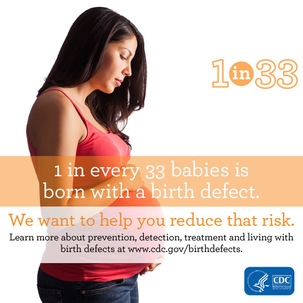
January is National Birth Defects Prevention Month. This year's theme reminds women who are pregnant or thinking about becoming pregnant to get vaccinated, prevent insect bites, practice good hygiene, and talk to their health care providers to prevent infections that can increase the risk of birth defects or other health problems.
The Maine CDC Birth Defects Program (MBDP) uses a
public health approach:
- to assess the full impact of birth defects on Maine
children and their families
- to improve access to specialty services for
families and locate resources for emotional and economic support, which
includes referring the infant with a confirmed birth defect to the Department
of Education Part C – Child Development Services (CDS) Program
- to monitor trends related to prevalence of
selected birth defects in Maine, and
- to educate the provider community and the public
on prevention strategies to decrease the incidence of birth defects in
Maine.
MBDP is currently collaborating with Maine CDC's Infectious Disease Program to identify babies and mothers exposed to the Zika virus.
|