 Maine CDC celebrates its recent accreditation from the Public Health Accreditation Board.
September is a good time to
get your cholesterol checked and take steps to get it under control.
What is Cholesterol?
Cholesterol is a type of
fat found in blood and is found in foods we eat including eggs, meats, fish and
whole-fat dairy products. Foods like fruits, vegetables and whole grains
contain none. Our body also makes cholesterol. Risk factors that can lead
to high cholesterol include being overweight/obese, poor eating habits, family
history, age or gender.
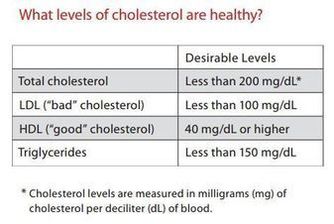
Know your numbers:
U.S. CDC recommends that
adults age 20 or older have their cholesterol checked every five years.
This can be done with a simple blood test.
 Reduce your risk:
By living a healthy
lifestyle, you can help keep your cholesterol in a healthy range and lower your
risk for heart disease and stroke. A healthy lifestyle includes:
- Eating
a healthy diet. Avoid saturated fats and trans fats. Polyunsaturated
fats can actually lower cholesterol levels. Eating fiber also can help
lower cholesterol.
- Exercising
regularly. The Surgeon General recommends that adults engage in
moderate-intensity exercise for two hours and 30 minutes every week.
- Maintaining
a healthy weight.
- Not
smoking. If you smoke, quit as soon as possible.
For more information on
cholesterol:
 Rita Owsiak, Maine CDC’s Healthcare Associated Infections
Coordinator, was recently recognized as a recipient of the Rising Tide Award
for 2016. The award was presented at the annual Patient Safety Academy at
the University of Southern Maine in Portland on September 8.
The Rising Tide Award is presented to individuals or
organizations who are demonstrating outstanding achievement and commitment to
best practices in patient safety in Maine.
Oswiak was also a presenter at the Patient Safety Academy, which
brings together healthcare professionals for knowledge- and skill-building
workshops. Public health, physician practices, pharmacies, hospitals, long-term
care facilities, advocates and other agencies participate in the annual
event.
Congratulations,
Rita.
|
Each year, Maine joins the
United States and the international community in recognizing World Suicide
Prevention Day on September 10. Suicide continues to be a public health
concern, with 689 deaths by suicide between 2011 and 2013 in Maine. In
addition, between 2011 and 2013, suicide was the first leading cause of death
for Maine adolescents between the ages of 10 and 14, second among Maine
residents between 15 and 34 years of age, and fourth among Maine residents
between the ages of 35 and 54. Suicide is preventable and knowledge,
understanding and support can save lives
If you suspect someone you
know may be at risk of suicide, follow these steps:
- Show
you care by listening carefully and without judgment.
- Ask
them if they are thinking about suicide. Be direct and empathetic. (Asking
about suicide does not increase the risk of suicide.)
- Stay
with them (or have another caring person stay with them) while you locate
help.
- Call
the Maine Crisis Hotline (1-888-568-1112) or the National Suicide
Prevention Lifeline (1-800-273-8255).
- If
the person is at immediate risk of harming themselves, call 911.
For more information on how
you can help prevent suicide in your community or workplace, contact Amy
Ouellette at the Maine Chapter of the National Alliance on Mental Illness (NAMI
Maine), 622-5767, extension 2318. NAMI Maine hosts many training opportunities
throughout the year.
Remember: Suicide is
preventable. Knowledge, understanding, and support can save lives.
|