|
 Get Ready for Maine’s Firearms Deer Hunting Season
The woods are calling, and Maine’s firearms deer hunting season is almost here!
Maine residents can take to the woods beginning this Saturday, October 31, and nonresidents can join the hunt beginning on Monday, November 2.
The Maine Warden Service wants to remind hunters that preparation and safety are key to a successful season. Before opening day, take time to check your gear, fine-tune your plans, and review a few important safety reminders.
Whether you’re returning to a familiar stand or exploring a new area, a little preparation and good judgment go a long way toward a safe, memorable hunt.
Before heading into the woods:
-
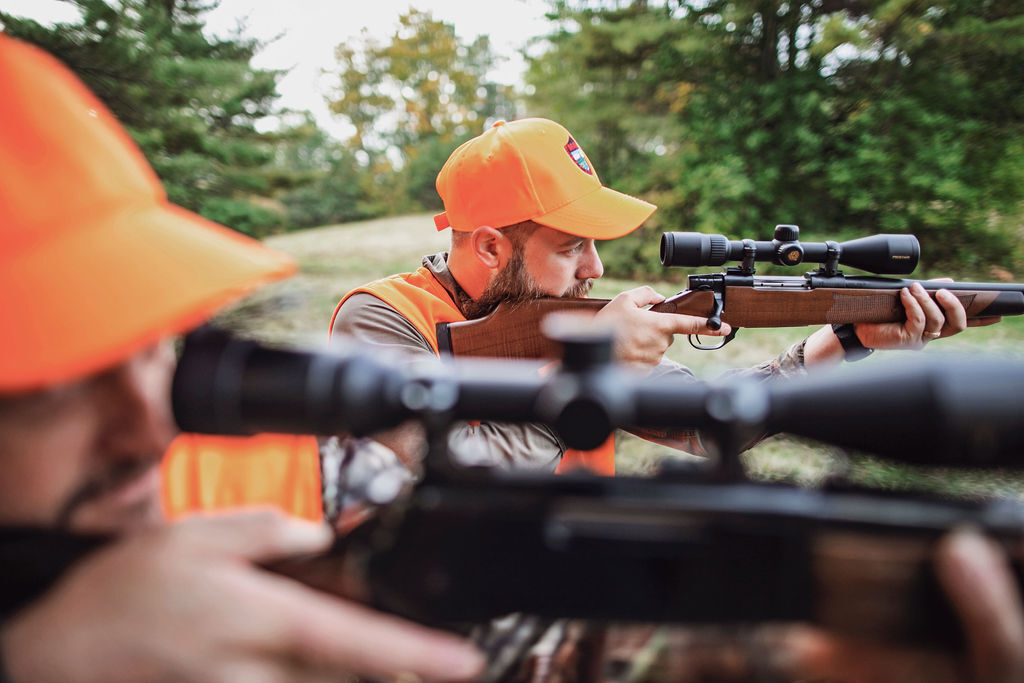
Know your firearm. Check that it’s in good working order, and always treat it as if it’s loaded. Keep the muzzle pointed in a safe direction, carry it safely, and be sure of your target and what lies beyond it.
-
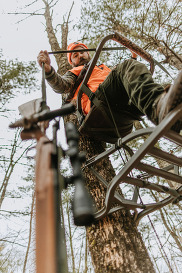
Review treestand safety. Always wear a full-body safety harness and use a safety line. Once safely secured, use a haul line to raise your unloaded firearm. Check for hazardous trees and branches before setting up.
-
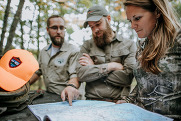
Plan for the unexpected. Tell someone where you’re hunting and when you expect to return. Bring a compass, a survival kit, and the supplies you need if you’re delayed or conditions change.
-
Get your spot ready. Do some last-minute scouting, confirm landowner permission, check your equipment, and make sure you’re familiar with the area.
-
Hunt responsibly. Know the regulations for your Wildlife Management District (WMD), respect other outdoor users, and make safety your top priority.
We wish you a safe and memorable season in the Maine woods. Look out for one another, respect the resource, and make the most of your time outdoors.
Keep reading for more hunting tips, important reminders, and resources to help you prepare for the season.
|
|
|
|
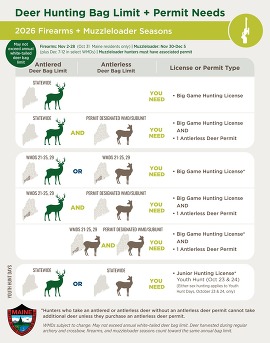
Before harvesting a deer, make sure you understand the rules for your WMD and the permits you hold.
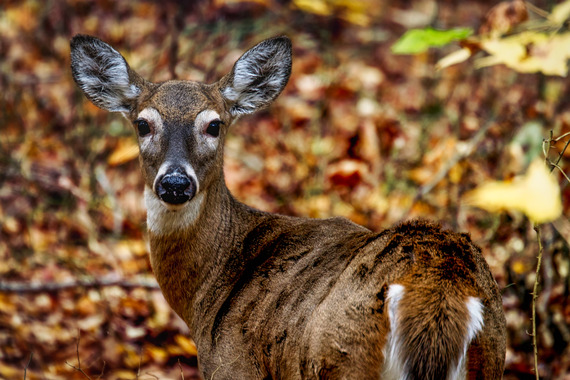
For 2026, hunters may harvest one deer, either antlered or antlerless, under the authority of their big game hunting license during the regular archery and youth hunt seasons statewide, or during the firearms and muzzleloader seasons in WMDs 21–25 and 29. This counts as the hunter’s one deer for the year.
Want to harvest additional deer? Additional antlerless deer may be taken with antlerless deer permits. Expanded archery antlerless deer permits may be used during the expanded archery season.
|
|
|
View text version of graphic
Annual bag limit reminder: Deer harvested during the regular archery and crossbow, firearms, and muzzleloader seasons count toward the same annual bag limit. Harvesting an antlered deer during the regular archery and crossbow season affects your ability to harvest another antlered deer during the firearms season.
 Extra Antlerless Deer Permits
Looking for another opportunity to harvest a deer this season? Extra antlerless deer permits are available for purchase in WMDs 21- 25, and 29.
Check the current availability, eligibility requirements, and permit limits before purchasing. If you received a permit through the lottery but can’t remember the details, use the Purchased Permit Lookup to find your permit information.
Private Land Access Is a Privilege, Not a Right
Private land provides valuable hunting opportunities across Maine. Help keep those opportunities available by being a responsible guest.
- Always ask permission before hunting on private property, and respect the landowner’s wishes.
- Leave the property as you found it, and pack out all trash.
- Label treestands and game cameras with your contact information, and get permission before placing them on private land. Written landowner permission is required for game cameras.
- Respect posted areas, gates, roads, and other property restrictions.
A little courtesy goes a long way. The way we treat the land and the people who own it helps preserve hunting access for future generations.
|
Protect Maine’s White-Tailed Deer: Help Keep Chronic Wasting Disease Out of Maine
Chronic wasting disease (CWD) is a fatal disease that affects deer, moose, and other members of the deer family. Hunters play an important role in preventing its spread.
Before and after your hunt, remember to:
-
Follow Maine’s carcass import rules. Wild deer, caribou, moose, and elk carcass parts generally cannot be brought into Maine from other states or provinces, with a limited exception for New Hampshire. Permitted items include boned-out meat, hardened antlers, hides without the head, and finished taxidermy mounts. Skull caps must be cleaned of brain and other tissue.
-
Clean your gear after out-of-state hunts. If you hunt in an area where CWD has been detected, follow Maine’s guidance for handling harvested animals and thoroughly cleaning equipment, including boots and knives, before entering the Maine woods.
-
Choose synthetic scents. Avoid urine-based deer lures, which may pose a risk of spreading disease. Use synthetic, non-urine-based alternatives instead.
|
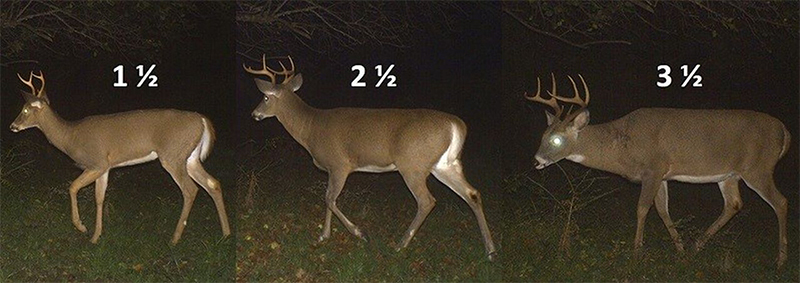
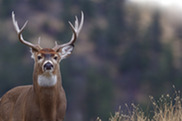
Photo credit: National Deer Association
Want to See More Older Bucks? Consider Letting a Young Buck Walk
Maine’s deer management program aims to provide hunting and wildlife-viewing opportunities while maintaining a healthy deer population. Every hunter has their own goals, and there’s no single right way to define a successful hunt.
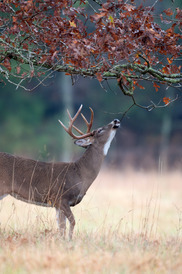
If you’d like to see more older bucks in your area, consider passing up a young buck this season. Allowing younger deer to grow can help increase the number of bucks that reach older age classes.
Maine’s antlerless deer permit system also gives eligible hunters an opportunity to harvest an antlerless deer and continue hunting for a buck. You can fill the freezer while choosing to pass on younger bucks in hopes of encountering an older one.
Curious About the Age of Your Harvest?
Each year, MDIFW biologists, contractors, and volunteers randomly select and examine roughly 15–25% of harvested deer at tagging stations and meat processing facilities to better understand Maine’s deer population. They collect information such as sex, age, and weight, and take incisor teeth from many adult deer for lab analysis to determine age and track population age structure.
If a tooth was collected from your deer, check the latest available deer age report to see the results. You can also explore the harvest map for a look at deer harvest across the state.
View the Latest Deer Age Report (PDF) | View the Latest Deer Harvest Map (PDF)
|
More information
|
|
|
|
|