 BILL BARRING PUBLIC STREET BOAT PARKING MOVES FAVORABLY THROUGH COMMITTEE
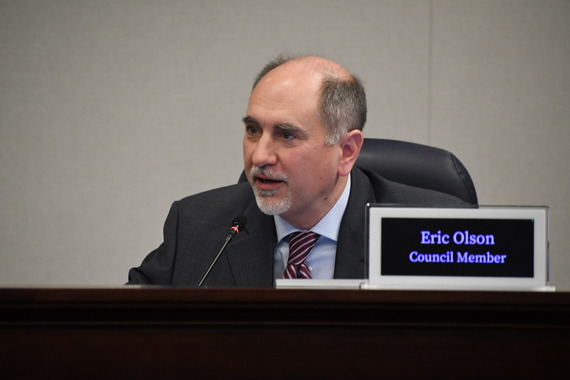 On Tuesday, February 11, the County Council, sitting as Committee of the Whole, moved favorably on a bill to prohibit parking or abandoning boats or other watercraft on public roads. Council Member Eric Olson’s (District 3) CB-002-2025 would initially give violators a warning and 72 hours to move their boats. Then, they’d be subject to a $250 fine for a first offense, $500 fine for a second offense, and the towing and impounding of their boat for subsequent offenses. If a boat appears to be abandoned for more than 48 hours, or in disrepair, owners would be subject to fines, removal, and criminal charges for illegal dumping. This bill was initially held in the Committee of the Whole on February 4 for revisions after an hour-long spirited discussion and testimony from residents in favor of the bill.
“Unlike typical vehicles, boats are often larger and create unnecessary road congestion when left on public streets. Sometimes cars have to go around, crossing the center line, to go around them,” Council Member Olson told his colleagues. “We also have the quality-of-life issues. Sometimes these boats are deteriorating and abandoned. They’re an eyesore. They’re negatively affecting neighborhood appearance and property values.”
COUNCIL DELAYS START OF SENIOR PROPERTY TAX CREDIT, ADDRESSES VACANT PROPERTIES TAX
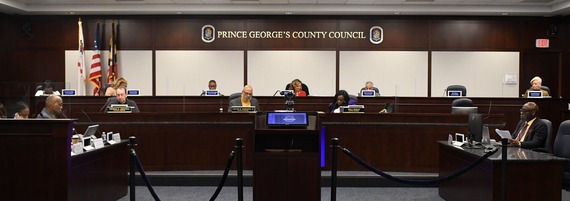 Also on Tuesday, the County Council adopted a resolution delaying the start of the Senior Property Tax Credit passed last year, CB-007-2024. The resolution, CR-008-2025, provides the Council additional time to revise the Tax Credit program and clarify who is eligible before it takes effect. It imposes a deadline of June 30, 2025, for the Council to pass an updated Tax Credit bill.
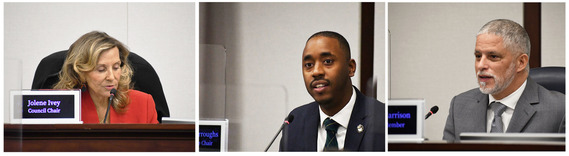 Additionally, Council Chair Jolene Ivey (At-Large), Vice Chair Edward Burroughs (District 8), and Council Member Sydney Harrison (District 9) introduced a bill allowing the county to tax vacant property owners at 2.5 times the standard property tax rate. The goal of CB-10-2025 is to incentivize vacant property owners to sell or repair blighted properties. The bill was referred to the Government Operations and Fiscal Policy Committee for further discussion.

COMMITTEE HEARS BRIEFING ON SCHOOL TRANSIT, SPECIAL ED, LIBRARIES
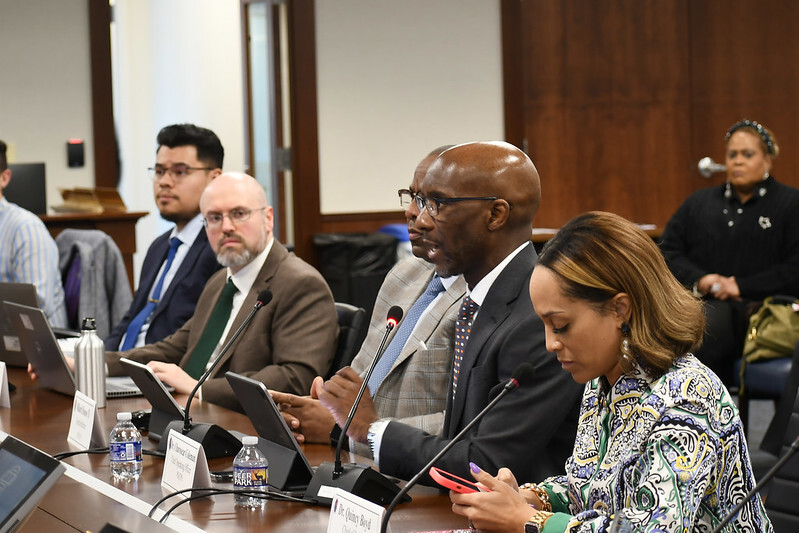 On Monday, February 10, the Council’s Education and Workforce Development Committee received a briefing from Prince George’s County Public Schools (PGCPS) Superintendent Millard House II on the PGCPS Transportation Action Plan. Supt. House relayed that the school system has made meaningful progress making its transportation system more efficient, including trip/seat utilization and stop consolidation. PGCPS has removed over 2,300 stops since 2023 while transporting 1,462 additional students. However, Supt. House said average home-to-stop distance and the number of available drivers has not improved. PGCPS has currently filled 82 percent of open bus driver positions compared to 72 percent that were open at the start of the school year, and the district plans to create a Strategic Bus Driver Staffing Plan to enhance retention of current bus drivers. Supt. House also updated Council Members on the school system’s Special Education program which is currently serving nearly 16,500 students. Additionally on Monday, the Prince George’s County Memorial Library System provided a briefing that included an overview of the library’s 2024 performance metrics and plans for 2025 service and program offerings. The library system had a total of 1.4 million visits in 2024, and this year will add a Mobile Workforce Development Library.
GENERAL ASSEMBLY COMMITTEE SUPPORTS HALF-DOZEN STATE BILLS
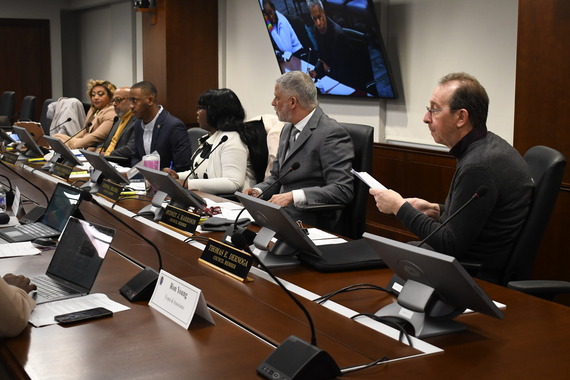 On Tuesday, February 11, the General Assembly Committee voted to support six bills currently under consideration by the state legislature. Among the bills supported by the Council was HB 597, which increases the state’s annual funding distribution to the state library system. Another supported proposal, HB 836, would give counties the ability to grant investigative and subpoena powers to County Police Accountability Boards.
|