|
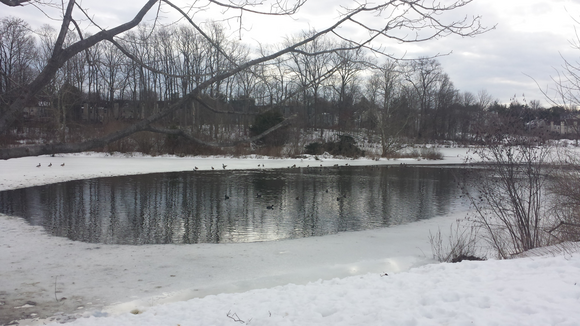
This storm was different. In a perfect world, the sun would have been shining, temperatures would have been above 15 degrees, and the ice would have melted. Unfortunately, that was not the case for us. For eight days, we dealt with freezing temperatures, endless ice, and crazy winds. Sidewalks and driveways became harder to shovel, salt was being thrown around like seasoning, and County updates came in rapid succession.
The storm may have ended, but the aftermath remains. Salt is not just a "now" issue. The consequences of oversalting impact us year-round. When we oversalt and leave the excess behind. Salt damages our infrastructure, harms our aquatic life, and pollutes our drinking water. As temperatures increase and snow/ice continues to melt, excess salt makes its way into our water system.
Over the past 30 years, the average salt levels have been steadily increasing. The levels peak in the winter months and are higher in years with more winter weather events. Because there is no economically feasible way to remove salt during filtration, higher levels of salt end up in drinking water.
What you can do to help:
- Sweep up any excess salt on your property and store it for the next winter storm.
- Report excess salt to 3-1-1.
- Educate yourself about the importance of being salt-wise.
Read our winter salt tips and visit the Maryland Department of the Environment's (MDE) Winter Salts Story Map to learn about the impacts of excess salt.

Hosting a Super Bowl Party? This is your opportunity to celebrate in an eco-friendly way, enjoy the company, and cheer on your team. Show your friends your spirit and dedication to protecting the planet!
From kickoff to cleanup, we have some tips for hosting an eco-friendly Super Bowl party at home.
-
Get a count: Don't overbuy. Know how much food to prepare and save money!
-
Carpool: Invite family and friends to carpool to the party. Remember to drive responsibly!
-
Buy local: Buy food and drinks from local markets and restaurants.
-
Compost your leftovers: Don't trash your leftovers, compost them! Recycle your food scraps at the DEP booth. Check out farmers markets locations and hours of operation.
-
Recycle cans, glasses, and plastic: Remember to put your recycling bin out on your appropriate recycling day.
- Use eco-friendly cleaners: Use cloth towels and sponges instead of paper towels. Don’t forget to disinfect your sponges appropriately.
-
Can the grease: Don’t pour fats, oils, or grease down the drain! For tips on what to do, visit the WSSC Can the Grease website.
Greetings!
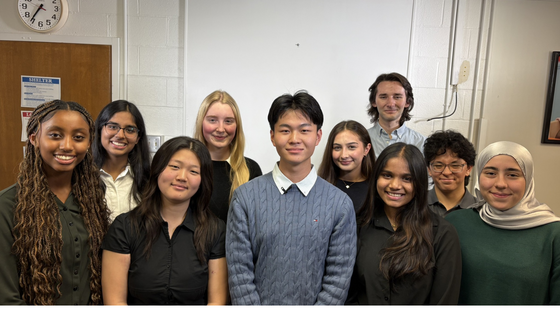
We are the Montgomery County Public Schools (MCPS) Student Climate Action Council (SCAC)!
As a council of 18 students, we work with MCPS to represent clusters of the county to advance sustainability initiatives. Through advocacy, policy writing, and outreach, the SCAC strengthens student voices and promotes climate action within our schools and communities. Our vision is to create an entirely Green school system, increase the number of innovative sustainability projects, and allow the creative students of MCPS to be given a chance to enact their ideas for a cleaner and safer future environment.
And that future starts by keeping it cool: as a council, we ask YOU to chill on purchasing new winter gear this year!
Roughly 65% of clothing produced annually ends up in landfills within a year, with synthetic winter materials taking centuries to decompose. A way you can help prevent these large amounts of waste is by upcycling. Upcycling is beneficial as it conserves natural resources, saves energy used in production, and reduces waste. It also extends the life of materials that would otherwise end up in landfills, decreases the demand for new products, and encourages more sustainable consumption habits.
During the winter months, waste increases due to holiday packaging, seasonal decor, and clothing purchases. By turning old sweaters into scarves, cutting sleeves into arm warmers, or simply going to the thrift store, you’re helping build a more sustainable MCPS community.
You can also upcycle by donating old winter clothes to shelters, clothing drives, or thrift stores and by purchasing secondhand items! Upcycling helps us conserve our resources, reduce waste, and lower gas emissions, all while encouraging us to stay creative and sustainable!
From,
Student Climate Action Council (SCAC) & Ambassadors (Communications Committee)

We have a winter challenge for you! Take a look at the trees around your home. Do you notice evergreen vines growing up the sides of the trunks and into the branches? Those vines might be English ivy (Hedera helix) or Wintercreeper (Euonymus fortunei) or other invasive species. These are aggressive plants that were commonly used as evergreen garden plants. Now, they’ve spread beyond gardens to trees in yards and woodlands. They climb and kill mature trees by strangling and overtopping them. This article talks about English ivy and generally applies to all invasive vines.
You can help protect trees by identifying and removing invasive vines from your property in the winter (or anytime!). For example, you can cut climbing invasive vines at shoulder height and near the base of the tree, as demonstrated in this brief video. Further, the Montgomery County Weed Warriors program invites volunteers to help tackle invasive vines in our parks. Instead of planting invasive species, try some beautiful native plants instead.
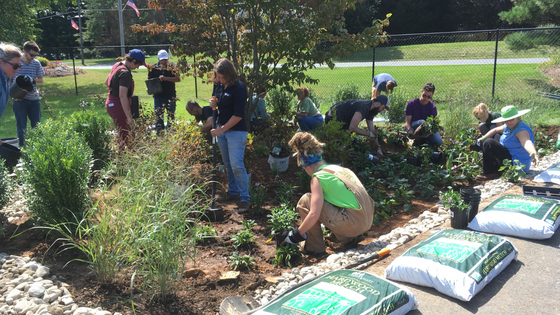
Landscape contractors are invited to attend our annual training presented by the RainScapes team. This year’s training, “Green Infrastructure Best Practices and Contractor Roundtable” will be held on Thursday, February 19, from 1-4:30 p.m at the Germantown Library.
This interactive, 2-part workshop is a chance to brush up on the details of Green Infrastructure projects eligible for RainScapes Rebate, along with a chance for contractors to network and provide recommendations to improving the existing RainScapes process. Those who complete the workshop will have their company added to the public RainScapes Contractor List and will receive 3 CBLP credits.
Registration is limited and lunch will not be provided. To register for the workshop, click here.
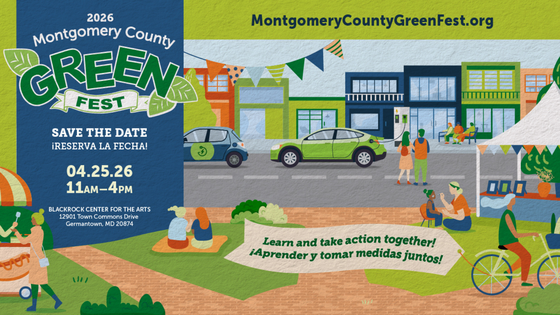
GreenFest returns on Saturday, April 26 at BlackRock in Germantown. Join us as we celebrate Montgomery County 250 years and 250 actions to protect our environment and health.

-
Thursday, Feb. 12: Business Annual Waste Reduction and Recycling Report Webinar 10-11 a.m.
-
Thursday, Feb. 19: Green Infrastructure Best Practices and Contractor Roundtable, 1-4:30 p.m.
-
Food Scraps Recycling Drop-Off at Local Farmers Markets
- Saturdays, 9 a.m. - 1 p.m.
- Sundays, 9 a.m. - 1 p.m.
Check out our calendar for more details about upcoming events.
|