|
Español | 中文 | Tiếng Việt | አማርኛ | Français | 한국어
Click on topics to jump to the section of interest:

What is the SWIM Program?
The Stormwater Inspection and Maintenance Program (SWIM) is responsible for inspecting and ensuring the maintenance of all public and private stormwater management practices within Montgomery County (excluding the municipalities of the City of Rockville, Gaithersburg, and Takoma Park). This includes ponds, levees, bioretention, underground facilities and Environmental Site Design (ESD) practices, such as Green Streets and Green Roofs, throughout the county. The program manages the structural and nonstructural maintenance of these facilities/practices on County owned property or that have been transferred to County maintenance using inspection and maintenance contractors. The SWIM Program also includes the Dam Safety Program. Many of the stormwater treatment practices in the County are privately maintained, and the SWIM Program conducts triennial inspections of these sites to comply with state and local codes and provides technical assistance to property owners on needed repairs.
The program is paid for by the Water Quality Protection Charge (WQPC). The WQPC is a part of your Montgomery County property tax bill, it raises funds to improve the water quality of our streams and reduce the impacts of stormwater runoff.
|
What we’re seeing, why it is bad and how you can help:
The Department of Environmental Protection staff respond to regularly scheduled inspection findings, complaints, safety concerns and maintenance challenges related to stormwater treatment practices. Some of these are preventable with a simple change in maintenance practices:
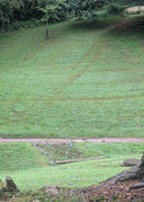
Avoid creating ruts on embankment slopes and rain garden berms. Ruts can cause loss of structural integrity of an embankment leading to larger gullies, creating a need for major repair to avoid dam failure, putting property and life at risk! Don’t mow when the ground is soggy, mow higher, and/or use a blade trimmer/brush cutter on steep slopes. |
|
 |
Keep grass clippings and leaves out of stormwater treatment practices. The leaves and clippings clog projects and add unwanted nutrients to the receiving waters. Point the mower outflow away from the project area. Inform your crews to avoid dumping debris in project areas, compost elsewhere if possible, dispose of properly at the county transfer station.

Watch for animal burrows on dam and levee walls and other sensitive slopes. Burrowing animals, such as groundhogs, like to burrow in well-draining areas. Their burrows are often easier to spot this time of year when the vegetation is dying back. Be sure to report any burrows on dams and levees to the DEP to ensure that the situation is monitored and repairs are implemented as needed.
|
Avoid over mulching, most installations that include mulch call for as little as three inches of mulch. Too much mulch and improper practices such as "volcano" mulching can harm plants and reduce the vigor of your planted area. Further, heavy rain carries excess mulch out of the stormwater treatment practices and into streams adding nutrients and could result in blockages of nearby underground stormwater treatment practices. Minimize mulching, switch to “green mulching” = using dense plantings instead of mulch.
Click on the photo below for Tips and Best Practices for Snow Removal Professionals
Maintaining your stormwater treatment practice will help avoid costly repairs, removes pollutants and helps to make our waterways fishable and swimmable.
Leave the Leaves!
The leaves in your yard are valuable soil enhancers for veggie gardens and help protect the soil in flower beds and in conservation landscaping. Leaves help overwintering insects including many species of butterflies and beneficial insects so leave the leaves in these spaces. But leaves in bioretention facilities, rain gardens and other stormwater treatment practices can add unwanted nutrients and block the flow potentially causing flooding. If you have too many leaves to compost, bag and/or contain and put them with your yard waste for pick up. Check out our Leave the Leaves webpage for more information on how to manage your leaves.
|
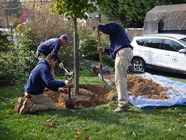
Fall is a great time to plant trees and shrubs, seed turf areas and replace native plants in your vegetated projects. Planting in the Fall avoids the heat of Summer and reduces water usage while allowing trees, shrubs and herbaceous species to develop roots through the Winter giving them a jump start on the next growing season. For help with selecting suitable natives use the new Maryland Commercial Native Plant list developed by Maryland Extension and the native plant nursery finder tool managed by the Maryland Native Plant Society.
|
Click on photo below for Winter Salt Management Tips and Best Practices For Residents, Businesses and Property Managers.

* Maintenance tasks with an asterisk must be performed by contractors who have been approved by the Department of Environmental Protection.
Proprietary underground filtering facilities*, Underground Sand Filters* and Flow Splitters*
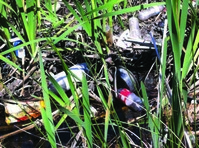
- Pick up trash, debris, or leaves around your property and in front of inlets to your proprietary underground filtering facility.
- Mark your proprietary underground filtering facility inlets to ensure snowplow operators do not damage the facility.
- Sweep paved areas on your property to remove pollutants such as sediment and sand.
- Do not stockpile sand or salt on your property unless they are in covered containment areas.
|
Green Roof
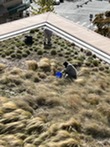
Always use appropriate safety equipment when inspecting and working on a green roof! If you are unsure how to do this, we recommend you hire a professional to help with this task.
-
Weed and check for bare areas, replant as needed.
-
Inspect the drain inlets and outlets and correct any blockages.
|
Drywells
-
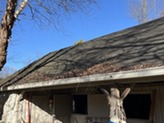
Remove leaves and tree debris from roof gutters and pretreatment devices.
-
Inspect and repair gutters, pipes and well caps.
|
Infiltration Trench and Above Ground Sand filters
-
Mow grass around perimeter of the practice. (Be careful— keep grass clippings out of the practice!)
-
Weed and remove any debris including trash, grass clippings and branches.
-
Check for erosion at inflow and outflow points and watch out for animal burrows.
Raingardens, Grass swales, Micro-Bioretentions, Tree Boxes and other Vegetated Practices
-
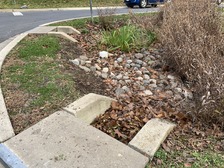
Check inflows and outflows for proper water flow. To prevent blockage, remove leaves, trash, sediment and debris.
-
Inspect for erosion, address with stones, mulch and/or replanting.
- To avoid weeds in the future, remove weeds before they go to seed.
|
Porous Pavement, Permeable Pavers
-
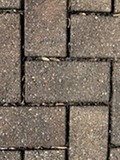
Clean out accumulated sediment at inflow points and remove any debris on the surface.
- Vacuum clean the surface.
- To avoid damaging permeable pavers, remind snow removal crews to lift blades ½" off turf paver systems and plow paver systems as for unpaved roads.
|
Rain Barrels and Cisterns
-
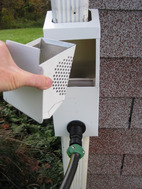
Clear leaves and debris from gutters and screens.
-
Drain and adjust diverters for winter.
- Ensure that the base is in good condition and level.
- Plan to make repairs over the winter.
|
Ponds, Stormwater Wetlands
-
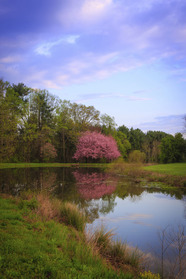
Remove woody growth and large vegetation on dam and levee walls to allow for clear inspections.
-
Clear blockages and debris from inlets and outflows.
-
Remove sediment buildup from gravel layer is wetlands.
- Remove leaves and weeds.
- Take a look at our Pond Planting Guide for guidance on planting around your stormwater pond
- Download our new fact sheet on Pond Vegetation and Algae
-
Inspect your pond after every major storm event for structural integrity, for inspection tips visit Structural Maintenance for Ponds. NOTE! Any structural maintenance must be performed by contractors who have been approved by the Department of Environmental Protection.
|
Geese!
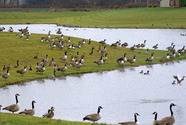
Goose poop is both unsightly and can add to the nutrient loading in lakes and ponds, causing algal blooms and excessive vegetation. Prevention, by making your property less inviting to geese, is your best bet. Geese prefer grassy edges with good visibility of the surrounding space to detect predators. To create a less inviting home:
-
Leave a buffered zone near the lake comprised of bushes, shrubs and vegetation.
-
Keep the grass adjacent to the lake high (6”.)
-
Adding an elevated piece of string that they cannot walk over or under can help deter geese.
-
Install an overhead grid wire to prevent the geese from landing and nesting in that area.
- Remove accumulated nesting materials (sticks and shrubbery) prior to geese nesting or remove the nest after geese have hatched and moved on (roughly two to three days after hatching.) Remember however, before you tamper with the nests of Canada Geese a permit is required from the U.S. Fish and Wildlife Service.
Source: Canada Geese Facts and Management Options
|
Looking for help with maintenance? The following contractor lists are provided by Montgomery County for informational purposes only:
Have a problem we didn’t address or you need more help with?
Please reach out to us at StormwaterHelp@MontgomeryCountyMD.gov.

The Maryland Native Plants Program
Check out Maryland Extension's Maryland Native Plants Program to explore their new comprehensive plant list with over 650 species of Maryland specific, commercially available native plants. This list will help you identify and select native plants appropriate for use in landscape settings and natural areas alike.
The complete list is available as a database.
The Piedmont Guide is a user-friendly book focused on species native to the Piedmont ecoregion. It includes
- educational articles to support gardening success
- photos and descriptions of over 300 featured plants
- plant lists for specific site conditions
- aquatic plant recommendations suitable for ponds
- advice on managing invasive species
- planting approaches in the face of climate change
- an index of plants native to the Maryland Piedmont
- planting strategies from nature writer Nancy Lawson
- tips for dealing with deer (includes deer-resistant plants)
The guide is available as a free downloadable PDF and will be available in print form through the Maryland Native Plant Society in the coming months.
|
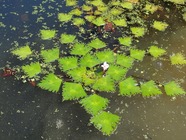
Invasive Species Alert!
The highly invasive Two Horned Trapa can be found in ponds and has been found in Poolesville. Help keep this invasive out of our region by participating in the early detection and rapid response actions, follow the link for details on identification and reporting. Two Horned Trapa Early Detection Rapid Response
|
Gas-powered Leaf Removal Equipment Ban
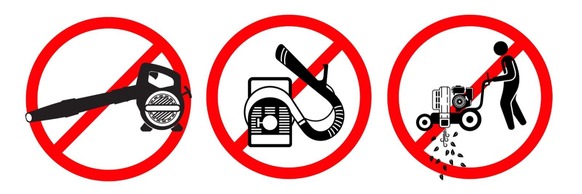
Effective July 1, 2025, the use of handheld, backpack, and walk-behind gas-powered leaf removal equipment is banned in Montgomery County to address environmental, noise, and health concerns. For guidance on purchasing electric equipment please visit the Department of Environmental Protection Leaf Blower information page.
We’re planning a contractor training event to be held in early March 2026

Learning Opportunity for Homeowners: For guidance on how to work with Landscaping Professionals you may be interested in attending the "Working with Landscapers" panel discussion hosted by the Nation's Capital Region chapter of the Wild Ones. The panelists include for-profit and non-profit contractors and a DEP representative. The topics of discussion will include: How to make the best use of my garden? What should I ask? What should I share about my property and about what I want? This event is FREE and open to the public and will be held at Brookside Gardens on Sunday March 1st from 12:30-2:30PM. Registration is required.
|
We're developing a new grant opportunity and would like your input!
The SWIM Team is requesting comments to help us design a new funding stream that will support watershed stewards engaging with your community about inspections and maintenance of residential stormwater treatment practices to help keep them vibrant and functioning! If you are part of a watershed group, please take a moment to share your comments: Click here if you are a watershed group member and would like to share input on the new grant.
|