 MAY 2025
IN THIS ISSUE:
A letter from Montgomery County's Climate Change Officer, Sarah Kogel-Smucker
Be Climate Smart: Care for the trees at your home
This May, be Climate Smart right in your own yard by caring for your trees. Trees are climate superheroes: they store the climate pollutant carbon, cool the air, lower home energy costs and protect against flooding. When we care for the trees we have, we preserve these powerful benefits for years to come.
Need help? The County is here. Learn how to mulch, fertilize, water, and protect your trees from deer in the Tree Montgomery Care Guide. Sign up for email reminders to water your trees during droughts, heat waves, and periods of low rainfall with the Reforest Montgomery Planning Watering Reminders. You can also learn why and how to cut invasive vines that threaten trees on your property or in the right-of-way. I find that the watering reminders take the guesswork out of summer tree care, making it easy.
County Budget
On May 22nd, the County Council approved the County’s $7.6 billion Operating Budget for Fiscal Year 2026. Thank you to everyone who weighed in to support climate action funding! Despite a tough budget year, I’m happy that the County supported ongoing climate programs and initiatives and added new investments, with $367.9 million dedicated to climate efforts. New investments include:
- Expanding the fleet of zero emission County vehicles to accelerate the elimination of fossil fuel vehicles in our fleet.
- The Resiliency Hub Project to become more resilient and power County buildings through solar energy.
Plus, the budget makes RideOn buses fare free! Montgomery County remains united in advancing bold, equitable climate solutions. Thank you for being part of it.
Warmly,

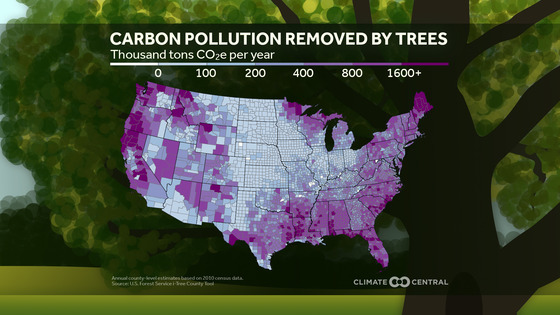 Be Climate Smart and care for trees. Learn more about the benefits of planting trees at Montgomery Planning here.
Local sustainable events are at My Green Montgomery. You won't want to miss these:
June 3rd, 6:30-8:30pm - DMV Switch Together Happy Hour
June 8th, 2:00-4:00pm - Grupo Mulheres do Brasil Community Event
Local climate news and updates from Montgomery County, the State of Maryland, and around the DMV.
Montgomery County's Green Schools
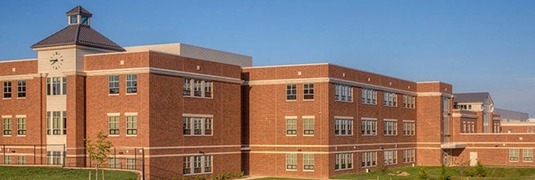
MCPS continues its leadership in environmental education and stewardship, with 12 additional schools earning the prestigious 2025 Maryland Green Schools designation, bringing the district's total to 113 certified Green Schools. Fifty three percent of all MCPS schools have now attained this recognition, surpassing the 50 percent target set by Montgomery County’s Climate Action Plan. This success underscores MCPS' proactive commitment and the dedicated efforts of our schools in cultivating environmental literacy and promoting sustainable practices.
The newly recognized schools include: Bayard Rustin, Brookhaven, Cannon Road, Cresthaven, Viers Mill, Washington Grove, Watkins Mill and Woodlin elementary schools, Hallie Wells and Lakelands Park middle schools, and Seneca Valley and Walter Johnson high schools.
Four existing Green Schools successfully recertified this year—Bradley Hills, Gaithersburg and Summit Hall elementary schools and Thomas S. Wootton High School. This demonstrates a deep and ongoing commitment to environmental literacy and sustainability. Notably, Gaithersburg and Summit Hall elementary schools achieved the distinguished "sustainable school" status for maintaining their Green School certification for an impressive 12 years.
The Maryland Green Schools Program requires schools to develop a comprehensive portfolio demonstrating their fulfillment of criteria across four key areas. A central requirement is the evident integration of environmental education throughout the school year, across all grade levels. Each of this year's newly certified and recertified schools effectively met this high standard, providing compelling evidence of a schoolwide focus on environmental literacy and active student engagement in environmental initiatives.
Image: Hallie Wells Middle School
|
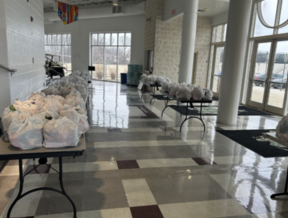
Montgomery County's Office of Food Systems Resilience is launching a three-part strategy to expand food recover efforts led by community partners. Food recovery efforts are essential in the County's overall strategy to address food insecurity and preventing food waste. Read the Press Release.
Image: So What Else’s distribution of recovered food for students at John F. Kennedy High School.
Photo Credit: John F. Kennedy High School Staff
|
National and international climate change news that affects life in the U.S. and beyond.
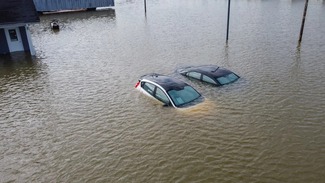
As climate disasters strain state budgets, a growing number of lawmakers want fossil fuel companies to pay for damages caused by their greenhouse gas emissions.
Last May, Vermont became the first state to pass a climate Superfund law. The concept is modeled after the 1980 federal Superfund law, which holds companies responsible for the costs of cleaning up their hazardous waste spills. The state-level climate version requires major oil and gas companies to pay for climate-related disaster and adaptation costs, based on their share of global greenhouse gas emissions over the past few decades. Vermont’s law passed after the state experienced torrential flooding in 2023. In December, New York became the second state to pass such a law.
This year, 11 states, from California to Maine, have introduced their own climate Superfund bills. Read more at theenergymix.com.
Image credit and source: Leandro Lozada/AFP/Getty Images via Grist
|
We are excited to share the below news and opportunities below. These important grants are offered by both local and federal funding opportunities, and are made available to local governments, universities, community organizations, businesses and individuals.
Maryland Solar Access Program Grants for Residential Solar Systems: Grants are on a first-come, first-served basis; the application window Is now open and closes June 13, 2025. These grants will provide up to $7,500 (at $750/kW) for new household solar PV systems. Eligibility is limited to households with a total income that does not exceed 150% of the statewide area median income. The application requires two phases, including an initial application to reserve funds. Please read the FAQs (updated December 2024).
Maryland Urban and Community Forestry Committee (MUCFC) Grants Program: Applications reviewed on or around February 15 and July 15 annually. Forestry Boards are welcome to apply for assistance with tree planting on public lands or for educational projects about trees in urban environments. The maximum grant is $1,000.
Exciting opportunities available for job seekers. Check out DEP’s Green Job Portal for additional climate and sustainability jobs, including these highlighted positions:
Climate Fellowship - Montgomery County Government (Rockville, MD): Montgomery County is seeking climate fellows to join the County’s climate team. This is a competitive year-long, full-time fellowship intended for recent college graduates (though open to everyone) with diverse backgrounds who have strong experience, education, or interest in climate, sustainability, racial equity, and clean energy policy. Please email your cover letter, resume and a brief writing sample to Climate@MontgomeryCountyMD.gov by May 30th. More information here.
Special Assistant to the Director - Montgomery County Government (Wheaton, MD): The Department of Environmental Protection is seeking a highly motivated, and detail-oriented professional to serve as Special Assistant to the Director. This role provides high-level strategic support to the Director, facilitating efficient daily operations and helping implement key priorities across the agency. The Special Assistant acts as a liaison between the Director and internal/external stakeholders and supports coordination of agency-wide initiatives. Info here.
Environmental Compliance Specialist Supervisor - Land and Materials Administration (Baltimore, MD): This position will serve as the Section Head within the Central Maryland Region for the Solid Waste Program Compliance Division. The incumbent in this position will supervise one of two sections within the Compliance Division. This incumbent will supervise Environmental Compliance Specialists with the main purpose of ensuring compliance with Maryland laws and regulations concerning sewage sludge utilization, solid waste disposal, scrap tire management, natural wood waste recycling, composting, and coal combustion byproducts, to ensure the Department’s goals are met. The incumbent will also assist the Division Chief with providing enforcement oversight within the Central Maryland Region. Info here.
|