Welcome to our New Organic Lawn Care Newsletter!

Header Take 3

Welcome to the Department of Environmental Protection's new monthly newsletter about organic lawns and lawn care. Discover lawn care tips and tools, learn about life in the soil, and connect with us on environmental stewardship of land and water.


What's New?
Mary

DEP has just launched our newest initiative to educate about organic lawn care! 


Did you know that 28% of Montgomery County is covered by turfgrass? In an effort to improve stewardship of those lawns and fields, DEP has developed a new program to educate our residents and businesses about organic lawn care.


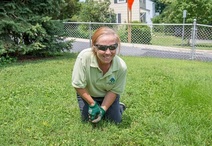
Heading up this program is Mary Travaglini. Mary isn’t new to DEP, having spent 5 years with us in our stormwater inspection and maintenance division. With a background in natural resources and landscape architecture, figuring out how organic lawns can be easy and beautiful is a natural fit for Mary’s expertise. 


Our new website is full of information about organic lawn care, and we can't wait to have you explore all it has to offer!


Lawn Care Tips
Soil testing sample

It may not feel like it, but we’re getting close to mowing season! 

Here’s a few top tips to take care of now, while there’s a little free time.


1. Get a soil test! Basic lawn soil tests only cost between $9 and $18, and will tell you about the balance of nutrients in your soils. Learn more about soil testing.


2. Tune up your lawn mower. Especially be sure to sharpen your mower blades. If shopping for a new mower, look into eco-friendly options. View our mowing guide. 

3. Leave the leaves from winter. Save yourself time and effort and don’t bag up leaves that are on the grass. Chop them up with your lawn mower for a natural boost of nutrients. If leaves are wet, fluff them up first with a rake to dry them out.


4. Talk to your lawn care provider about an organic lawn care plan. Be sure to send them to our website to learn more.


Soil Science Shed
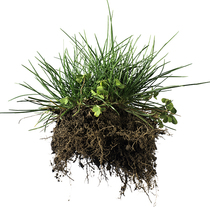
Patch of grass on white by deyangeorgiev, 123RF Stock Photo

Did you know that nitrogen is made available to plants only by bacteria, or lightening?

While lightening will instantly change nitrogen in the air to nitrates (the form of nitrogen plant roots can absorb), it is soil bacteria that can convert gaseous nitrogen to nitrates. 


The most effective way to get nitrogen into plant roots is through healthy populations of soil bacteria, not added fertilizers.


Actions to improve soil bacteria health:


The best ways to increase soil bacteria is to leave all clippings on the lawn, spray compost tea, and seed in white clover.


Soil bacteria are very sensitive to chemicals and synthetic fertilizers, so to protect your soil, avoid using products that have been manufactured to fertilize a lawn or kill weeds.


In the Community
Kids Tree Climbing

Join us for a day of fun at the Montgomery County GreenFest on Saturday, May 5th at Jesup Blair Local Park in Silver Spring!


Our organic lawn care program will be on hand to answer questions about your lawns and soil, and you can compete in a ring toss with our pink flamingoes, so be sure to come by.


GreenFest has tons of fun activities for the whole family from kids tree-climbing, electric cars, workshops, music and exhibitors, food, and more.  We hope to see you there.