SHAWNEE NEIGHBORHOOD MEETING @ 6:30pm 3rd Tuesday of the Month, Port Shaw Bldg. 3713 West Market St.
____________________________________________________
PORTLAND NOW MEETING
@ 6:30p 1ST Tuesday of the Month. 6P SOCIAL TIME, MEETING WILL START AT 6:30P, 1801 PORTLAND AVE. AT CHURCH OF THE PROMISE ENTRANCE ON THE SIDE OF THE BUILDING.
____________________________________________________
If your community is having any neighborhood meetings, please email the office and we will add you to the distribution list. Contact: alfred.johnson@louisvilleky.gov
____________________________________________________
DISTRICT 5 TOWN HALL MEETING
WHEN- JANUARY 14, 2026
WHERE- SHAWNEE GOLF COURSE
TIME- 6PM
SUBJECT- NEEDLE EXCHANGE (LOUISVILLE METRO HEALTH DEPT), STREET CONVERSIONS, FLASHING LIGHTS AND SPEED HUMPS.
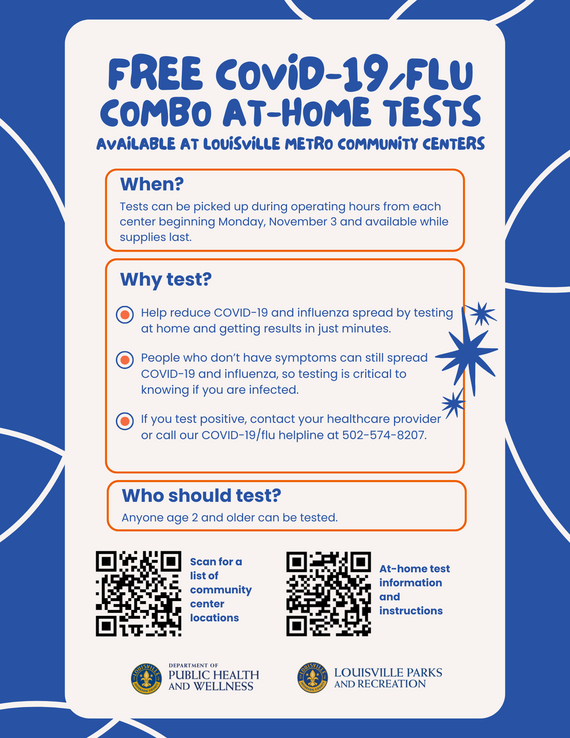
The Kentucky Department for Public Health's respiratory virus data dashboard shows that Kentuckians, including Jefferson County residents, are getting sick with influenza (flu), COVID-19, respiratory syncytial virus (RSV), pneumonia and bronchitis. Each fall and winter, respiratory illnesses contribute to significant illness, hospitalizations, and deaths in the U.S.
Flu and COVID-19 vaccines
LMPHW’s influenza surveillance dashboard shows 3,770 cases of the flu have been reported in Jefferson County since the end of September. There have been 10 flu outbreaks in residential congregate settings (i.e. long-term care, rehab, shelter, schools, and child care).
The best way to protect yourself from influenza is to get a flu vaccine. Flu vaccines can prevent many cases of severe flu, including many influenza-related deaths. A flu vaccine is recommended for all people 6 months and older, and it is still not too late to get a flu vaccine.
COVID-19 vaccines are also recommended for those 6 months and older.
Protection against RSV
A single dose of RSV vaccine is recommended for all people 75 years and older and some people 60 to 74 years of age with certain chronic health conditions that increase the risk of severe RSV infection. There is also an immunization that can help protect infants from RSV, COVID-19 and the flu. Parents of children who are less than 8 months of age should talk to their pediatrician or primary care provider about protection against RSV.
Protection against pneumonia
The pneumonia vaccine, also known as the pneumococcal vaccine, is given to prevent infection caused by Streptococcus pneumoniae bacteria, or pneumococcus. The pneumonia vaccine is advised for certain groups of people who are at higher risk of getting pneumonia due to age, weakened immune systems, or chronic health conditions:
- People aged 50 or older
- Children younger than 5
- Adults with weakened immune systems due to chronic illnesses such as COPD, heart disease, sickle cell disease, asthma, emphysema or diabetes.
- People who smoke
Although the pneumonia vaccine can’t prevent all cases, it can lower your chances of catching the infection. And if you’ve had the shot and you get pneumonia anyway, you'll probably have a much milder case.
Talk to your healthcare provider about any vaccines you need to best protect you against viruses that can cause severe illness.
Take additional preventative measures
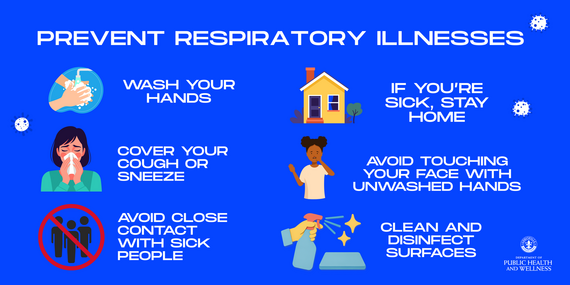
There is a lot of illness circulating so getting a shot today can protect you in February and March. Additional preventative measures to protect yourself and others from respiratory illnesses include:
- Staying away from sick people.
- Covering your cough or sneeze.
- Practicing good hand washing.
- Wearing a mask in public/crowded spaces, especially for people at higher risk of developing severe illness.
- Staying home if you’re sick to avoid exposing others to illness.
- Cleaning and disinfecting surfaces.
Resources for more information on respiratory viruses:
|