 Friday, November 21, 2025
Hepatitis C virus: What you need to know
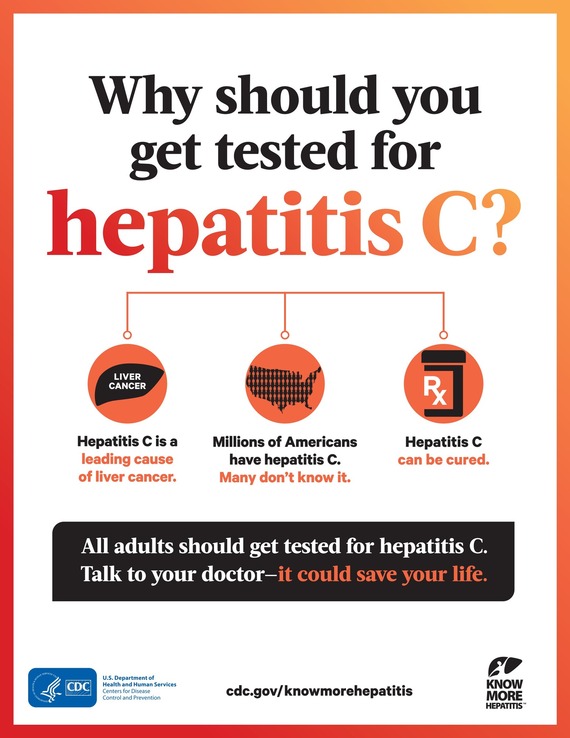
Hepatitis C virus (HCV) is a virus that infects the liver. Over time, it can cause liver scarring, cancer and even death. Although HCV can be cured, many people don’t get the treatment that could protect their health because they don’t know if they are infected or they don’t know that medications are available.
Kentucky has one of the highest rates of HCV in the country. In Louisville, over 2,000 people test positive for HCV each year. Because the virus can slowly damage your liver over many years, diagnosing it early through testing is one of the most important ways to protect your health.
Protect yourself against infection. HCV spreads through blood-to-blood contact. The most common way people get it today is by sharing needles or other equipment used to inject drugs. It can also spread through unregulated or unsanitary tattoos or piercings, or by sharing items that may have tiny amounts of blood on them, such as razors or toothbrushes. A pregnant person can pass it to their baby. HCV is occasionally spread through sex. Most reported cases of sexual transmission are among men who have sex with men. Importantly, HCV does not spread through casual contact. Things such as kissing and sharing food do not put you at risk.
Get tested. People infected with HCV can look and feel healthy. Some may experience fatigue, nausea, joint pain, or yellowing of the eyes or skin, but many don’t have any symptoms until the liver is already damaged, which can take up to decades to occur. Over time, untreated HCV can lead to serious liver problems, including cirrhosis (scarring), liver cancer, or liver failure, and can even cause death. This is why testing matters so much, even if you feel healthy.
Health experts recommend that every adult gets tested at least once for HCV. Some people may need to be tested more regularly, such as those who inject drugs, have HIV, or have accidental to another person’s blood. Testing is simple, usually a quick finger-stick for an antibody test to determine if your body has been exposed to HCV. If that test is positive, another test is done to determine if you have an active infection. If you haven’t been tested as an adult, talk to your healthcare provider about it at your next visit.
If you test positive for active HCV infection, know your options for treatment. The good news is that HCV is curable. Antiviral medications can get rid of the virus in 8 to 12 weeks in most people and have very few side effects. Getting treated not only keeps you and your liver healthy but also helps prevent the virus from spreading to others. If you test positive, talk to your healthcare provider about your treatment options. If you know your status and would like to seek treatment on your own, you can use this Hepatitis C Treatment Locator to find a provider. With early testing and treatment, HCV is something we can beat, both as individuals and as a community.
Tips and tools to deal with grief over the holidays


One of the greatest holiday stresses is the absence of a loved one who passed away. The empty seat where they would have sat can fill families with a sense of grief, loss and emptiness, as well as worsen symptoms for individuals with mental illness. The following recommendations can help you and your family cope:
-
It’s not all sad. Know that some parts of the holiday will be wonderful, and some parts will be sad. The anticipation of sadness may be stressful, but the holidays provide an opportunity for healing. You can still take joy in the relatives that are present and remember fond memories of holidays past.
|
-
It is OK to feel the way you feel. It is healthy to acknowledge your feelings and work through them, rather than suppressing them.
-
Take care of yourself. Find healthy ways to cope, such as exercising. Organizing family walks is a great way to get fresh air and enjoy the company of others. Don’t search for solace in unhealthy foods or alcohol. If alcohol is present, drink responsibly.
-
Don’t feel pressured to uphold family traditions. While they might be a comforting way to remember a loved one, sometimes family traditions are too painful to bear. Your family will find new ways to celebrate, and your traditions will adjust with time.
Keep in mind that the loved ones you lost would want you to remember them fondly, to enjoy the holiday season, and to find comfort in having the family come together.
If you are someone you know is facing mental health struggles, emotional distress or just needs to talk to someone, caring counselors are available at the 988 Lifeline. Call or text 988.
-- Source: NAMI
WIC provides breastfeeding classes
for pregnant moms

Pregnant women can connect online on the first Sunday and/or Wednesday of each month for our WIC breastfeeding classes. This class covers the basics of lactation and nursing your newborn, including how to begin, how to determine if your baby is receiving enough milk, and more.
Please use this link to register or scan the QR code above for access to virtual classes. For more information, you can contact:
- Jae Tucker at Jamaica.Tucker@louisvilleky.gov, (502) 690-1354
- Brittney Fern at Brittney.Fern@louisvilleky.gov, (502) 224-8702
- Samantha Bennett at Samantha.Bennett@louisvilleky.gov, (502) 715-8011
The Office of Social Services seeks your feedback
 The Office of Social Services (OSS) is launching the 2025 Community Needs Assessment Survey and needs your help. Please inform OSS of your needs and the needs of others who share your experiences. To participate in this survey, you can use the QR code or access the survey through this link.
The survey closes on Dec. 5.
The survey is available in English, Spanish, and Arabic. Respondents can select which language they would like to use on the first page of the survey.
|