 Friday, December 1, 2023

Residents urged to throw away
applesauce pouches due to recall
 The Louisville Metro Department of Public Health and Wellness (LMPHW) is closely following the U.S. Food and Drug Administration’s (FDA) investigation of elevated blood lead levels in children who had reported exposure to certain brands of apple cinnamon fruit puree pouches.
The recalled applesauce pouches include:
- WanaBana brand apple cinnamon fruit puree pouches
- Schnucks brand cinnamon applesauce pouches
- Weis-brand cinnamon applesauce pouches
There have been more than 50 reports, in multiple states, of elevated blood lead levels (BLLs) in people with reported exposure to the recalled products, according to the FDA. To date, there have been no confirmed reports of elevated BLLs linked to the recalled applesauce in Kentucky; however, health officials continue to alert families, caregivers and physicians of the ongoing situation.
The FDA is asking consumers and retailers not to eat, sell or serve the recalled products and is urging people to properly discard them by carefully emptying the contents into the trash before throwing away the packaging, in an effort to prevent others from salvaging the recalled products.
“We are aware these are popular snacks children consume and we want everyone in our community who cares for our youngest population to understand the dangers of lead exposure and the signs and symptoms,” said Dr. Kris Bryant, associate medical director at LMPHW and pediatric infectious disease specialist at Norton Children’s. “There are no safe levels of lead in blood. The way to protect kids is to stop the exposure.”
Lead is toxic to humans of any age but protecting children from exposure is especially important because they are more susceptible to the harms of lead. Lead can damage a child’s brain and nervous system and impact their growth, behavior and ability to learn.
Signs of exposure include, but are not limited to:
- Headache
- Fatigue
- Vomiting and nausea
- Abdominal pain/colic
- Muscle aches, burning, or weakness
- Weight loss
- Constipation
- Irritability and difficulty concentrating
- Tremor
“It’s important to note that many children show no obvious or immediate signs of lead poisoning,” Dr. Bryant said. “If you are concerned that your child has been exposed to lead, contact your child’s primary care provider about getting a blood test.”
To learn more information about the FDA’s ongoing investigation, click here.
New monoclonal antibody protects
newborns and infants from RSV
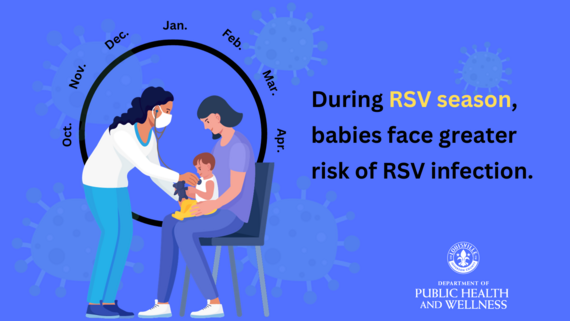 Respiratory syncytial virus (RSV) is a common virus that spreads throughout our community each year. RSV season usually begins in the fall, peaks in the winter, and decreases during early spring. It typically causes mild illness in most people, but it can cause severe breathing problems leading to hospitalization in newborns and infants. However, a new monoclonal antibody shot that can be given to infants aged 0-8 months old entering or born during their first RSV season offers protection from severe illness from RSV.
Unlike a traditional vaccine, which prompts your immune system to produce its own antibodies against a disease, monoclonal antibodies are “pre-made” and provide passive immunity against the virus. These antibodies circulate in the blood and fight the virus when your child is exposed to it, and they disappear from the body over time. The RSV monoclonal antibody shot provides protection against RSV for at least 5 months, which is about how long the RSV season lasts.
We offer a limited number of the monoclonal antibody shots in our clinics. Call 502-574-5380 today to schedule an appointment for your baby.
World AIDS Day serves as a reminder
of the global struggle to end HIV-related stigma

Today is World AIDS Day and is an opportunity for people worldwide to unite in the fight against HIV, show their support for people living with HIV, and remember those who have died from an HIV-related illness. Started in 1988, World AIDS Day was the first-ever global health day.
Over the past 35 years, there has been significant progress in addressing HIV and AIDS thanks to advancements in medical research, increased access to treatment and prevention, and a broader understanding of the virus.
HIV can be prevented by:
- Getting tested regularly to know your status. Free, anonymous HIV testing is offered by the Louisville Metro Department of Public Health and Wellness through its Harm Reduction Outreach Services and Specialty Clinic.
- People can also ask their healthcare provider to test them during their annual physical. It is a good idea to get tested regularly, even if you think your risk is low.
- Never sharing needles, syringes or other drug injection equipment.
- Healthcare providers conduct regular sexual history screenings with their patients.
For more information about free, confidential HIV testing as well as links to medical treatment, please visit our HIV Prevention website. The CDC also has a free, online HIV risk reduction tool anyone can use at https://hivrisk.cdc.gov/.
|
Learn more about who we are and what we do
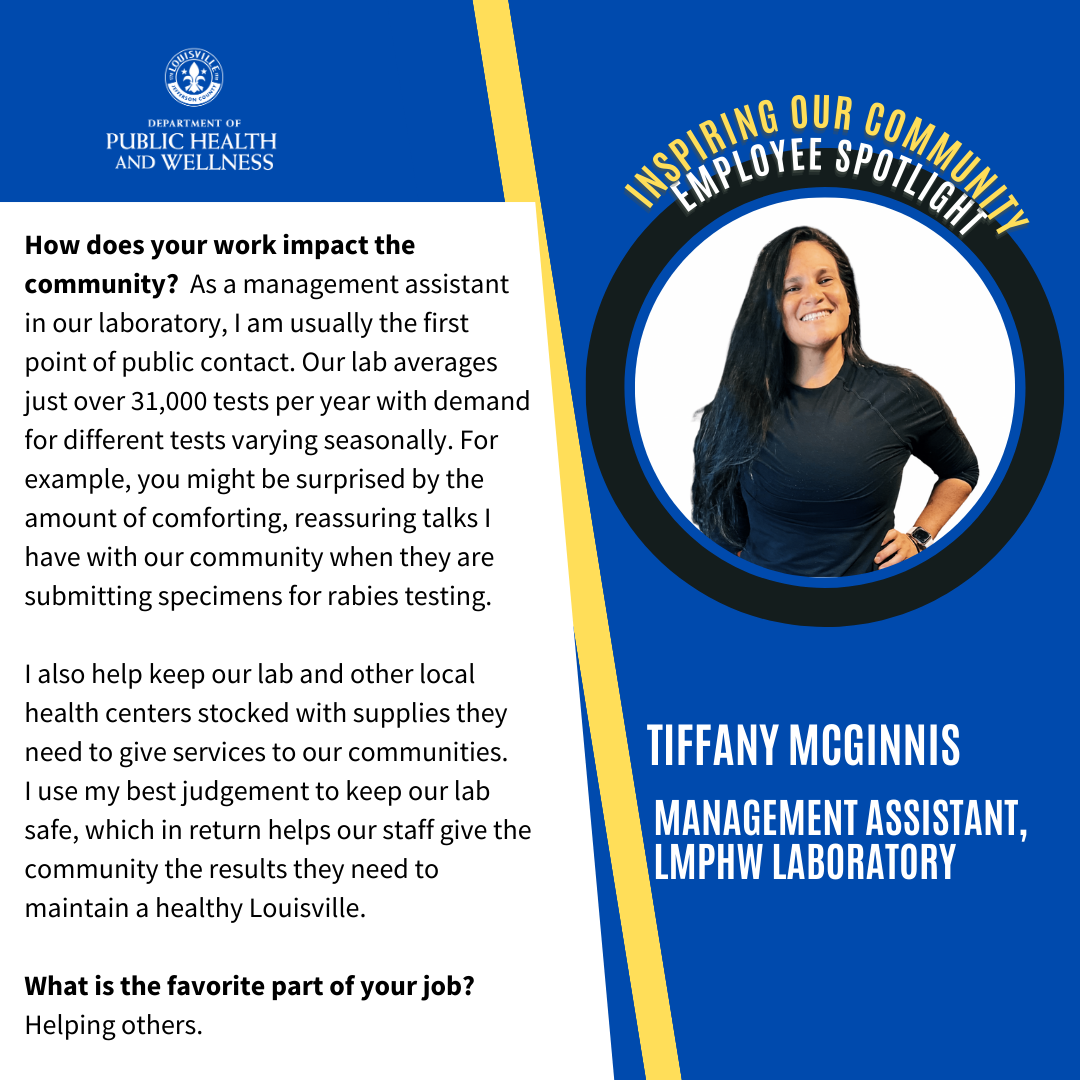
We invite you to join our team
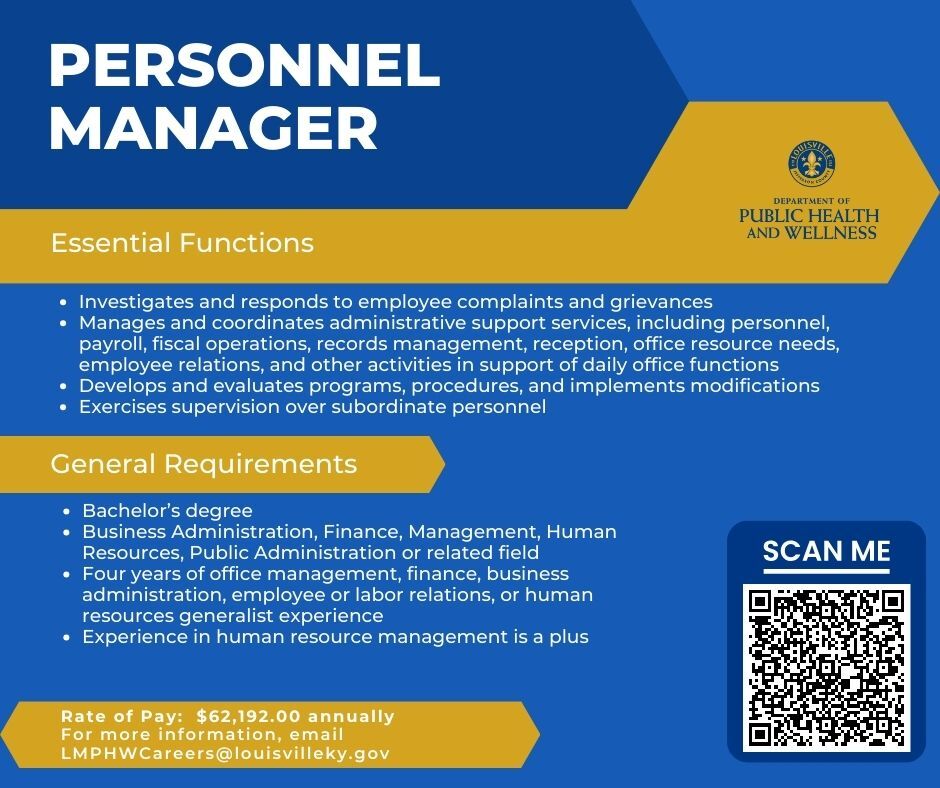 Are you interested in improving the health and wellness of all residents of our city? If the answer is yes, we invite you to be a part of a dedicated team. Please apply today.
For more information, please email LMPHWCareers@louisvilleky.gov.
Take a few minutes to complete our survey

Please take a few minutes to complete our annual Customer Satisfaction Survey (CSS), which is running through Dec. 31. The primary aim of the CSS is to assess the degree of client satisfaction with LMPHW’s services.
If you have recently interacted with us or received a service from us, please complete this survey to help us improve the quality of the information and services we provide. Your participation is greatly appreciated!
|
|