 Friday, October 6, 2023

Our disease investigators leave no stone unturned
 Louisville Metro Department of Public Health and Wellness is made up of many skilled professionals, which includes a disease investigation team of epidemiologists, nurses and administrative staff who leave no stone unturned when examining a case or outbreak.
These meticulous investigators conduct research to identify the cause of an outbreak and implement control measures to prevent additional illness in our community. When investigating infectious diseases such E. coli, Salmonella, chickenpox, COVID-19, influenza and RSV, the team will ask a series of questions including:
- Did you travel during the week prior to illness?
- Did you have contact with anyone else with an illness prior to or following your illness?
- What are your signs/symptoms?
Our team also works with physicians, school administrators, daycare operators, parents and others on the best ways to prevent and reduce infectious disease outbreaks. By gathering additional information, they can track the cause of the illness and properly provide the next steps. For example, the team will find out if someone was exposed to a disease or learn from a diner who has submitted a complaint about a restaurant and became ill.
By pulling information together, the team will determine where and when an incident happened and then connect the individuals to resources, including medical care depending on the illness. The team will also follow up with the individuals until their illness has been resolved.
Did you know health care providers must report infectious diseases to the health department, such as:
- Rabies (24 hours)
- Anthrax
- Botulism
- Cholera (within 1 day)
- Shigellosis
- Varicella
- Whooping Cough
- Gonorrhea, Syphilis, Chlamydia
The information helps the department provide education, additional testing, and resources, such as medication or vaccines. Using information submitted by a health care provider assists with pinpointing a location or event that caused spread, which will help to determine a threat that can be removed and eliminate others from becoming sick.
In addition, we have a data health team that specializes in monitoring specific diseases and trends.
To learn more about the work our team of epidemiologists and nurses conducts, visit our Communicable Diseases page on louisvilleky.gov.
Can you get the flu shot when you’re pregnant?
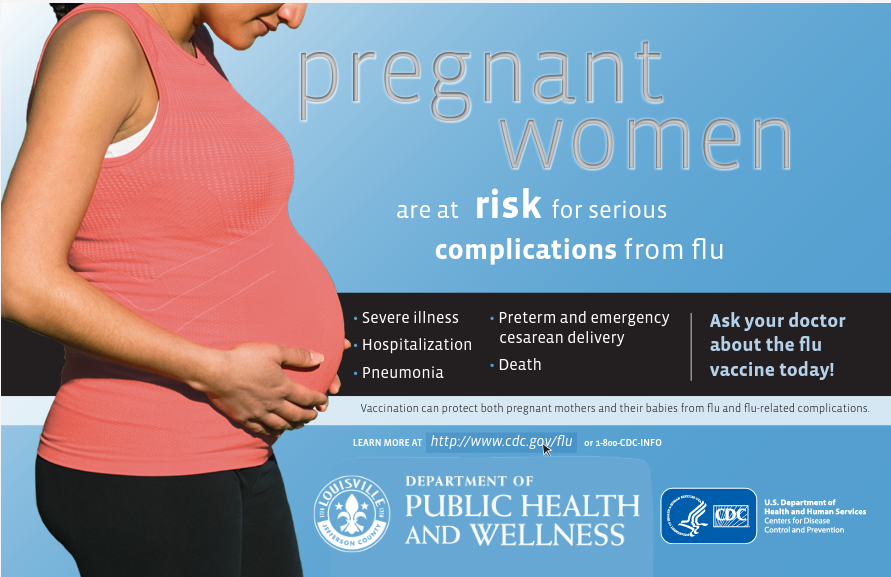 Is it safe to get a flu vaccine while pregnant?
When should someone receive the flu vaccine if they are pregnant?
- Pregnant people should receive the flu vaccine at the beginning of October which is when flu season usually starts.
What is the risk associated with the flu and being pregnant?
- For those who are pregnant or postpartum, flu is likely to cause severe illness, which could lead to hospitalization for treatment.
- Those who are not vaccinated against the flu are at a higher chance of getting seriously ill.
- Complications related to having the flu can include preterm labor/preterm birth, which is having a baby before 37 weeks.
Can flu vaccination result in miscarriage?
- Multiple studies have shown that people who have received flu shots during pregnancy have not had a higher risk of miscarriage. One of these studies was conducted using CDC’s Vaccine Safety Datalink (VSD). The study covered three flu seasons (2012-13, 2013-14, 2014-15) looking for any increased risk for miscarriage among pregnant people who had received a flu vaccine during their pregnancy. The study found no increased risk for miscarriage.
What can someone’s partner do to protect their significant other from the flu?
- Partners should also get a yearly flu shot. By choosing to receive the flu vaccine, it will reduce the risk of illness, hospitalization and death to a pregnant partner.
- Wash your hands with soap and water. If soap and water are unavailable, use an alcohol-based hand rub.
- Avoid touching your eyes, nose or mouth.
- Cover your mouth and nose when you sneeze or cough. Sneeze or cough into your shirt sleeve near your elbow.
- If you become sick with any respiratory virus, wear a mask when around your pregnant partner.
Can getting the flu vaccine while pregnant protect a newborn?
To learn more information about the flu season and for a listing of flu vaccine providers, please visit our website or vaccines.gov. You can also visit our Immunizations site for available vaccines. Vaccines are given by appointment at our Newburg and Dixie clinics, which are open Monday through Thursday with evening appointments available Tuesday and Thursday. If you have questions or need assistance, call 502-574-5380. Language assistance is available.
Learn more about who we are and what we do
Mental Illness Awareness Week: Help people get help
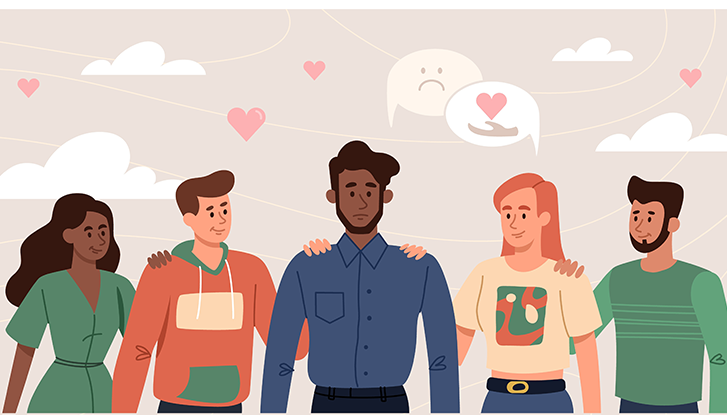 Courtesy of NAMI
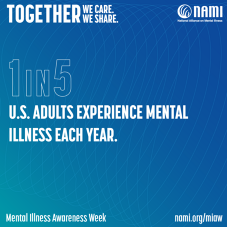
Each year, millions of Americans face the reality of living with a mental health condition — but mental illness affects everyone directly or indirectly through family, friends or coworkers. That is why each year, during the first week of October, health professionals and advocates across the country raise awareness, fight discrimination and provide support.
What is a mental illness?
A mental illness is a condition that affects a person's thinking, feeling, behavior or mood. These conditions deeply impact day-to-day living and may also affect the ability to relate to others. If you have — or think you might have — a mental illness, the first thing you must know is that you are not alone. Mental health conditions are far more common than you think, mainly because people don’t like to, or are scared to, talk about them. However:
-
1 in 5 U.S. adults experience mental illness each year
-
1 in 20 U.S. adults experience serious mental illness each year
-
1 in 6 U.S. youth aged 6-17 experience a mental health disorder each year
-
50% of all lifetime mental illness begins by age 14, and 75% by age 24
A mental health condition isn’t the result of one event. Research suggests multiple, linking causes. Genetics, environment and lifestyle influence whether someone develops a mental health condition. A stressful job or home life makes some people more susceptible, as do traumatic life events. Biochemical processes and circuits and basic brain structure may play a role, too.
None of this means that you’re broken or that you, or your family, did something “wrong.” Mental illness is no one’s fault. And for many people, recovery — including meaningful roles in social life, school and work — is possible, especially when you start treatment early and play a strong role in your own recovery process.
If you or someone you know is struggling or in crisis, help is available. Call or text 988 or chat 988lifeline.org to reach the 988 Suicide & Crisis Lifeline.
Are you looking for a wellness provider? Visit Mental Health Lou for a listing of local professionals.
|
|