 Friday, September 1, 2023

International day honors the lives lost to overdose
 This week, International Overdose Awareness Day was recognized around the world to honor the people whose lives have been lost to overdose.
Last year, 2,135 Kentuckians lost their lives to a drug overdose. And while that was a decline of about 5% from the previous year, the compassionate staff at Louisville Metro Public Health and Wellness’ Harm Reduction Outreach Services knows that every overdose death can be prevented. Even one death is too much. But the decline gives us hope that the harm reduction strategies being used across Louisville and the state are working.
Harm reduction is a set of evidence-based, practical strategies aimed at reducing negative consequences associated with drug use. It includes a spectrum of strategies including safer use, managed use, abstinence, and treating people who use drugs with dignity and compassion and meeting them "where they are" to help them regain a healthy life and reduce the impact of drug use on the community.
Our harm reduction services include screening and linkage to care for HIV and viral hepatitis, providing free Narcan and overdose prevention education, free fentanyl test strips, safe syringe disposal, referrals to treatment providers, and other social, mental health, medical services and recovery resources. Services are anonymous and free and operated in partnership with UK – Target Four, and the Kentucky Harm Reduction Coalition.
Anyone can help reverse an overdose and potentially save someone’s life. If you would like to obtain free Narcan you can visit any of our 10 harm reduction services locations during operating hours or call 502-574-8800.
Our clinic can treat sexually transmitted infections
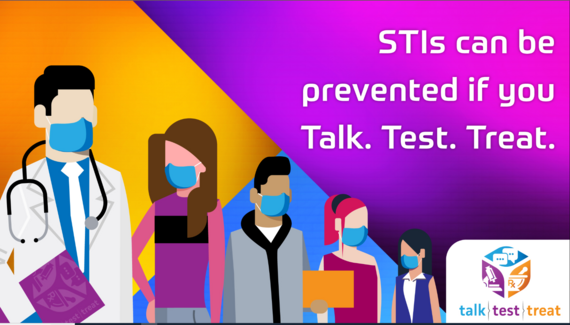 Sexually transmitted infections (STIs) like chlamydia, gonorrhea and syphilis have been increasing in the United States and in Jefferson County. The CDC estimates approximately 1 in 5 people in the U.S. have an STI, and the cases continue to show there are no signs of slowing down.
Sexually transmitted infections (STIs) are infections that can be passed from one person to another during all types of intimate sexual contact (anal, oral, and vaginal). Examples of STIs include chlamydia, trichomoniasis, herpes, gonorrhea, and HIV. Signs of STIs may include pain while urinating, burning, itching, sores, discharge and bumps or blisters in the genital area. However, a person may be infected with an STI and have no symptoms.
Put yourself to the test. Knowing your status is an important step to stopping infections. The best way to know is to be tested. The Louisville Metro Department of Public Health and Wellness (LMPHW) Specialty Clinic, 914 E. Broadway, Suite #102, provides STI testing, treatment and counseling services. The clinic operates Monday through Friday from 8 a.m. to 4 p.m.
For more information about our Specialty Clinic, please view our brochure to learn more about our services.
Join the fun at the Mayor's Hike, Bike & Paddle
 The Labor Day Hike, Bike & Paddle is returning this year and will be presented by Norton Sports Health from 8 a.m. to 12 p.m. on Sept. 4 at the Waterfront Park Great Lawn. The hike, bike and paddle event will kick off at 10 a.m.
HIKE: This year’s hike will consist of a 4-mile walk with multiple marked turnaround points throughout. Travel from the Great Lawn and follow the Ohio River east to RiverPark Place and back. The furthest distance will cross the Big Four Bridge into Indiana and come back.
BIKE: Cyclists will travel from the Great Lawn out to Shawnee Park and back, nearly 12 miles. The roads will be closed for you to safely travel to Iroquois, and there will be individuals riding along to help with any roadside assistance.
PADDLE: Paddlers will have the option of launching at the Harbor Lawn or the U of L Boat Docks and paddling downstream to meet other paddlers. The paddle will go from the Harbor Lawn downriver to the McAlpine Locks, through the locks and to the Shawnee Park Boat Ramp.
Beginning at 8 a.m., there will be plenty of free fitness activities and T-shirts for the first 2,000 people. The T-shirt tent will open at 8 a.m.
Prepare yourself and your family for flu season
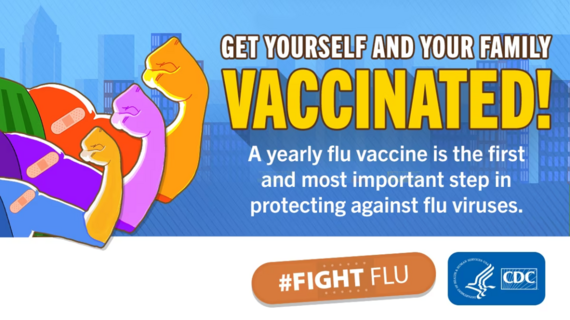 The 2023-2024 flu season is almost upon us, and it’s time to proactively keep its effects to a minimum.
When is flu season?
- Flu season in the United States typically starts in the fall and winter months.
What is the flu?
-
Influenza, commonly known as the flu, is a respiratory illness that infects the nose, throat, and lungs. Spread occurs when droplets are passed from a sick person to a non-sick person through coughing, sneezing, or talking.
What are the main flu symptoms?
- Fever
- Cough
- Sore Throat
- Runny/Stuffy Nose
- Muscle/Body Aches
- Headaches
- Tiredness
- Vomiting and Diarrhea (more common in children)
What steps do I need to protect myself against the flu?
The flu is already spreading in communities, so here are some proactive steps you can take to prevent catching the flu:
-
Schedule your vaccine appointment. Flu vaccines help to reduce the burden of flu illnesses, hospitalizations and deaths on the health care system each year. For a listing of locations, please visit our flu website or Find Flu Vaccines.
-
Stock up on supplies. If you do become sick, be sure to have supplies such as over-the-counter medication, tissues, hand sanitizer, cough drops and fever reducers at home.
-
Have a working thermometer on hand. Using a thermometer is the simplest way to tell whether or not a person has a fever.
-
Stay home if you feel sick. This will help prevent spreading your illness to others.
-
Cover your mouth and nose. Cover your mouth and nose with a tissue when coughing or sneezing.
-
Wash your hands. Washing your hands often will help protect you from germs. If soap and water are not available, use an alcohol-based hand rub.
-
Avoid touching your eyes, nose, or mouth. Germs can be spread when a person touches something that is contaminated with germs and then touches his or her eyes, nose, or mouth.
|