In 2020, Kentucky ranked second for drug overdose deaths in the nation. According to the 2021 Kentucky Overdose Fatality Report, 2,250 people died from overdose. Fentanyl, a powerful synthetic opioid that is like morphine but 50 to 100 times more potent, was detected in more than 70% of those deaths. Fentanyl can be found in a variety of drugs including counterfeit pharmaceutical pills. In fact, the U.S. Drug Enforcement Administration (DEA) has reported that 6 out of 10 fake prescription pills contain fentanyl.
Because it can’t be visually detected, most people who consume fentanyl are doing so because they are unaware of its presence in their drug supply. And while fentanyl is currently one of the most common synthetic drugs, new synthetics are always emerging that pose a similar or greater risk for overdose and death.
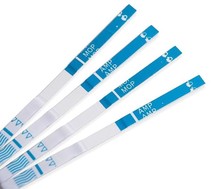
Fentanyl test strips are inexpensive and can help save lives by enabling people to test a small sample of their drugs for fentanyl (or other synthetic drugs). Knowing that fentanyl is present allows people to make informed decisions about their use, lowering the potential for harm and overdose.
Currently in Kentucky, fentanyl test strips are considered “drug paraphernalia” and illegal for residents to possess. However, a bipartisan bill before the legislature, House Bill 353, would decriminalize them. Last week the bill passed unanimously in the House Judiciary committee and is before the Kentucky Senate.
Recently, a team at our Center for Health Equity delved into the research to learn the potential health and equity impacts of decriminalizing fentanyl test strips as well as how other states have addressed the issue. They found that empowering individuals with the resources and ability to test drugs for the presence of fentanyl is one low-cost and effective harm reduction method that many states across the country have recently utilized to protect their residents. Decriminalizing fentanyl drug testing strips has great potential to reduce overdose deaths and increase access to lifesaving harm reduction strategies. You can read the report here.
The Department for Public Health and Wellness provides a variety of evidence-based harm reduction strategies and supportive services to people who use drugs to reduce overdoses, prevent overdose deaths, and reduce the spread of HIV and bloodborne diseases. Our program provides these benefits and more by offering linkage to substance use treatment programs, screening, and linkage to care for HIV and hepatitis C, naloxone distribution and education about overdose prevention, wound care treatment, and referrals to social services, mental health providers, and other medical services. Read more about our services here.
|