 The Department of Public
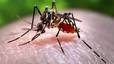
Health and Wellness said in a release that surveillance traps in three local
zip codes turned up infected mosquitoes including 40212, 40213, and 40214. People infected with West Nile virus may show
no or very mild symptoms. Less than one percent of those infected develop
serious illness of the nervous system like encephalitis or meningitis.
Those
who are 60 years of age or older are at the greatest risk along with those who
have medical conditions like cancer, diabetes, hypertension, kidney disease,
and or who have received organ transplants.
The health department
operates a mosquito control program and checks traps set in the community to
test for diseases like West Nile, Zika and St. Louis Encephalitis.
The
Department of Public Health and Wellness advises people to take precautions to
avoid mosquito bites:
Use
insect repellents containing DEET, picaridin, IR3535, and some oil of lemon
eucalyptus and para-menthane-diol products provide longer-lasting protection.
Information about insect repellents can be found by visiting http://www.cdc.gov/westnile/faq/repellent.html.
When
weather permits, wear long sleeves, long pants and socks when outdoors. Do not
spray repellent on the skin under your clothing.
Take
extra care during peak mosquito biting hours from dusk to dawn.
|