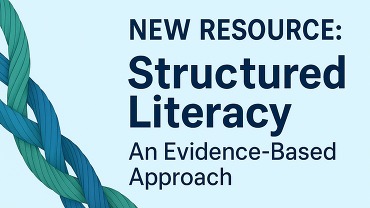
NEW RESOURCE: Structured Literacy: An Approach Grounded in the Science of Reading
Structured Literacy: An Approach Grounded in the Science of Reading was created to assist educators in understanding structured literacy within Kentucky classrooms. The graphic names what literacy components are included in the structured literacy approach, directing educators to their HQIR to determine what (scope) and when (sequence) the components will be taught and guidance on how to explicitly deliver the instruction. Examples of explicit instruction are provided in the how section for additional clarification. To illustrate the importance of all students having access to systematic and explicit grade-level content, the top and bottom sections address who and why: who implements structured literacy at each tier of instruction and evidence for why structured literacy aligns with how the brain learns to read. For more information on structured literacy, visit the Structured Literacy webpage.
TODAY: DEL Virtual Office Hours
DEL Virtual Office Hours are TODAY, Tuesday, February 10, from 9:30 A.M. ET/8:30 A.M. CT - 11 A.M. ET/10 A.M. CT. This session will feature a discussion of KDE’s Curriculum Implementation Monitoring Toolkit facilitated by Office of Teaching and Learning Professional Learning Coordinators Misty Higgins and Fox DeMoisey followed by opportunities for networking and problem-solving alongside fellow educators from across the state. Flexible breakout rooms will be available for targeted discussions based on participant needs.
To join, register for DEL Office Hours here.
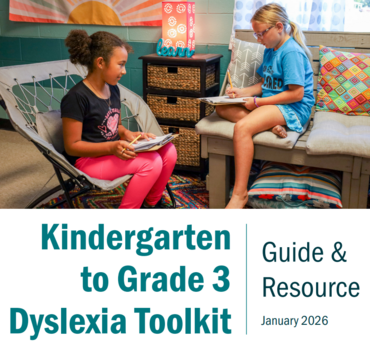
NEWLY UPDATED: Kindergarten to Grade 3 Dyslexia Toolkit
The Kentucky Department of Education (KDE) has updated the Kindergarten to Grade 3 Dyslexia Toolkit that was developed in response to the Ready to Read Act (House Bill 187, 2018). This resource is designed to empower educators and families by providing a practical guide to:
- Increase knowledge of dyslexia characteristics.
- Implement evidence-based teaching strategies.
- Build capacity for shared conversations among all stakeholders to better serve students with dyslexia.
It is important to note this document serves as guidance and a tool for awareness, not an all-inclusive policy or document.
|