| |
|
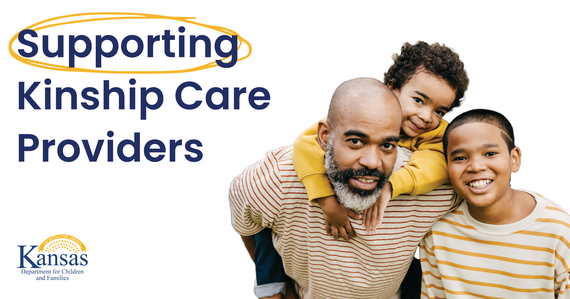
Kinship Care Month
When a child needs to leave their home due to safety concerns, our staff prioritize keeping them with a caregiver who they know and trust through kinship care.
“Kin” caregivers can be a family member like an aunt, uncle, adult cousin, grandparent, a teacher, coach or another trusted adult.
Keeping youth with caring relatives or non-related kin helps reduce disruptions to their daily lives and routines while the safety concern is addressed.
Kinship care is a part of our adopted Kansas Practice Model, an organized approach focused on walking alongside families and helping them pursue their safety goals and engagement with support systems.
Do you know someone who has opened their home to care for a young relative or close family friend? Maybe a grandparent who has stepped in? An aunt keeping siblings together? These are examples of kinship care in action in communities. These individuals work hard to help children stay connected to their culture, community, and traditions.
Let these caregivers know that they are valued and appreciated! Share the Kinship Care Resources with them to connect them with support.
|
|
|
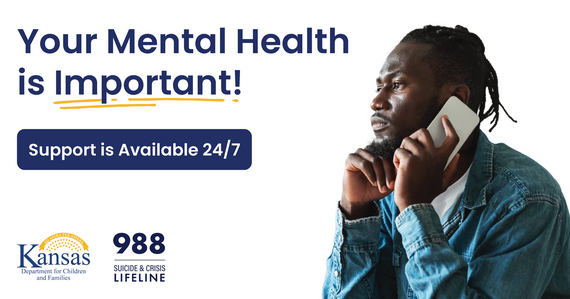
Suicide Prevention Month - You don’t have to face mental health struggles alone.
Contact the Family Mobile Crisis Helpline at 1-833-441-2240 now for help with a mental health crisis for any Kansan 20 years of age and younger. A licensed clinician is available by phone no matter the time, day or night. Local support from statewide mobile crisis providers is ready to respond in person. Learn more at fmch.dcf.ks.gov.
The 988 Suicide and Crisis Lifeline is also available via call, text or chat for anyone needing support. Contact the lifeline at 988lifeline.org.
Do you need to make report about suspected abuse or neglect? Visit our Hotline Numbers page on the DFC website to locate the KPRC number and other vital hotline numbers.
|
|
|
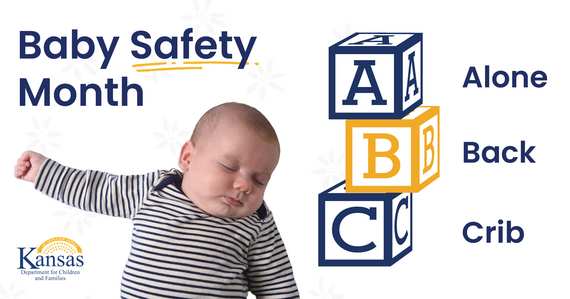
The ABCs of Safe Sleep
Following the ABC method is great way to help keep your little one safe while they are asleep. Babies should be A (alone), B (on their back) and C (in a crib or separate sleeping space). Sleeping areas should also be free of loose bedding or toys and in a smoke-free environment.
Check out Community Baby Shower events hosted by the Kansas Infant Death and SIDS Network. DCF partners with KIDS to co-host some of these events to help support local families and caregivers.
|
|
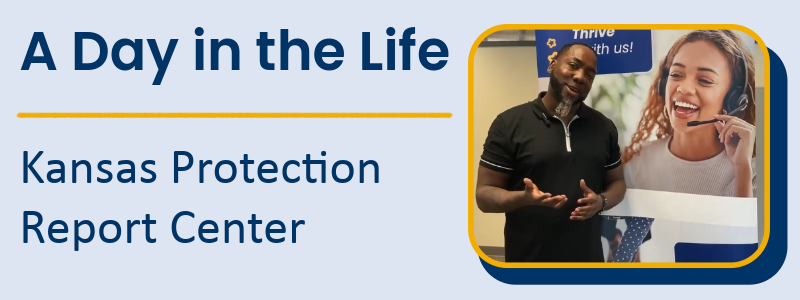
Have you ever wondered how the Kansas Protection Report Center (KPRC) operates or what the staff in the KPRC do?
Watch as DCF employee Michael Hill shares about his role in the KPRC and how our agency is keeping Kansans safe one family at a time! (We really think you’ll enjoy this short video. Grab a snack while you watch!)
You, too, could make a difference in our communities by working with DCF! Learn more about what it is like to work, believe and thrive with DCF at careers.dcf.gov.
|
|
Leadership and Learning at this year’s Governor’s Conferences
|
|
Rooted in Respect, Growing an Age-Friendly Kansas
The Kansas Governor’s Conference on Aging, will take place Oct. 17 and is dedicated to advancing conversations on aging.
This in-person event brings together health professionals, policymakers, educators and community leaders to elevate and align aging-related work across the state to support older adults, care partners and all Kansans as they age.
|
|
RECHARGE – Strengthening Families Through Prevention!
Our partners at Kansas Children’s Service League are hosting the Governor’s Conference for the Prevention of Child Abuse and Neglect. This conference focuses on education, networking, recognition and addressing key issues regarding child abuse and neglect.
Prevention is a key aspect of our work. DCF employees will present on the topics of SOUL Family Legal Permanency, High Risk Missing Youth, Citizen Review Panel, Crossover Youth Practice Model, and Human Need for Belonging.
Anyone can attend this year’s conference in Wichita, Oct. 28-30.
|
|
|
Did you know? - We Kan Drive Partnership Program
DCF and DCCCA are partnered to provide educational and financial support to help teens and young adults through the We Kan Drive program.
We Kan Drive helps to remove the barriers youth in foster care face when working towards obtaining their drivers license.
Getting a drivers license is a critical piece to help youth transition into adulthood. For youth in foster care this can be more challenging. Watch this video to see We Kan Drive in action.
Youth between the ages 14 up to 21 who are in foster care, as well as young adults that were previously in foster care that are receiving Independent Living Services through DCF are eligible for the We Kan Drive program.
|
|
Upcoming Together Kansas Events
- Oct. 16 – Topeka
-
Oct. 18 – Kansas City
Important Update: DCF Website Upgrade
Earlier this month, DCF's website was upgraded. For the best experience when visiting the DCF website, we advise that you clear your web browser history and cache and remove old DCF website links you may have saved. This will ensure your links work properly, and you are able to find the information you are looking for.
|
|
|
DCF's mission is to protect children, strengthen families and promote adult self-sufficiency.
|
|
|
|
|