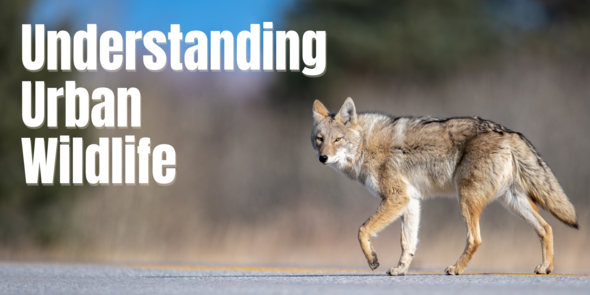
  With World Wildlife Day this week, we wanted to take a moment to celebrate the wildlife in our own backyard. As cities expand and natural habitats shrink, encounters with wildlife have become an increasingly common part of urban life. From raccoons rummaging through trash cans to coyotes trotting down suburban streets, animals are adapting swiftly to areas we typically think of as “ours”. While some view these sightings as nuisances or even scary, others see them as an opportunity to reconnect with nature from a safe distance. Living alongside urban wildlife does require knowing some practical strategies for fostering a peaceful coexistence. We have many local resources to help residents learn about preventing and solving common concerns with wildlife. I encourage you to review some of the resources below and take pause when you see our wild neighbors to enjoy them from a safe distance.
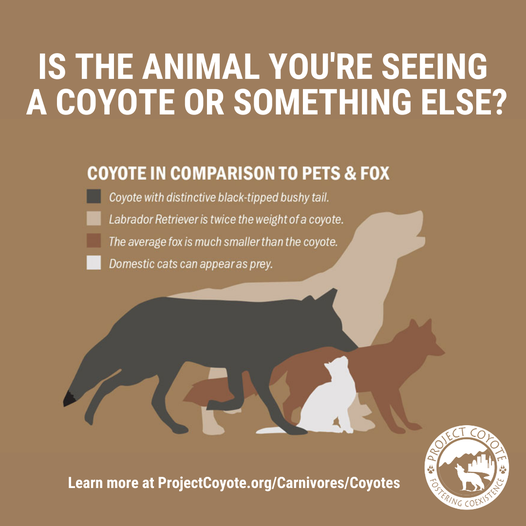
Coyotes
As urban development continues to expand, sightings of coyotes have become more common in our neighborhoods. You might see more of these beautiful creatures out and about as they’ve entered their late-winter mating season. While these intelligent and adaptable animals play an important role in controlling rodent and small animal populations, it’s essential to know how to coexist safely. Here are some tips to keep you, your family, and your pets safe:
1. Secure Food Sources
-
Garbage: Keep trash in tightly sealed containers and bring them out only on collection days.
-
Don’t Feed Wildlife: It’s not recommended to feed wildlife, as it alters their natural behaviors and can encourage additional species to gather on your property.
-
Bird Feeders: Fallen seeds can attract small animals, which in turn attract coyotes. Maintain a clean area around feeders.
2. Protect Pets
-
Leashing: Always walk dogs on a leash, especially during dusk and dawn when coyotes are most active.
-
Supervision: Keep a close eye on small pets in your yard and avoid leaving them outside unattended.
3. Haze Bold Coyotes If a coyote approaches, make yourself look bigger and louder:
-
Wave your arms, yell, or use noisemakers like whistles
-
Never run away — instead, back away slowly while maintaining eye contact.
|
Overview
H5N1 bird flu is widespread in wild birds worldwide and is causing outbreaks in poultry and U.S. dairy cows with several recent human cases in U.S. dairy and poultry workers.
Because influenza viruses have the ability to mutate, it is important to monitor potential cases and take necessary precautions in higher-risk situations.
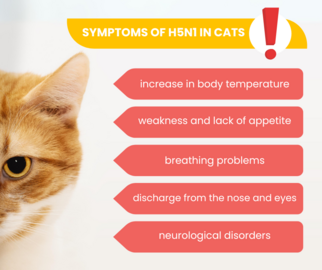
In Cats
We are unsure currently how cats are being infected. One theory is they may be ingesting the virus or contracting it from being near infected wild birds. Ingestion of contaminated bird meat from commercially-sold raw diets or eating prey animals has been linked as well as ingestion of raw milk/colostrum from infected cows.
Cats who show symptoms typically die within a few days. If an outdoor cat displays symptoms, please contact your local animal control. For pets, wear a mask and use gloves when handling and contact your veterinarian immediately.
|
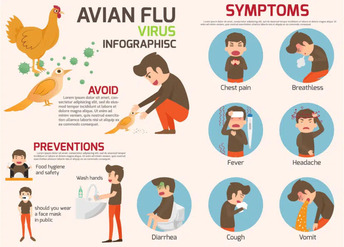
In Humans
There are no reports of human H5N1 cases in DuPage County and according to the Centers for Disease Control and Prevention (CDC) the overall risk of H5N1 to residents remains low.
There is no known person-to-person spread of H5N1 in the United States at this time.
Individuals with confirmed cases are mostly getting sick from direct exposure to sick dairy cows or sick poultry in massive operations.
|
Avoiding raw food/milk and keeping your cat indoors are the best ways to keep your cat safe from Avian Flu. If you have concerns about the health and safety of your pets, please contact your veterinarian for further guidance. 5 or more deceased wild birds found together should be reported to the Department of Natural Resources and your local Animal Control agency.
By keeping safe boundaries between ourselves and wildlife, we can continue to enjoy a healthy and balanced ecosystem.
 Laura Flamion,
Interim Administrator
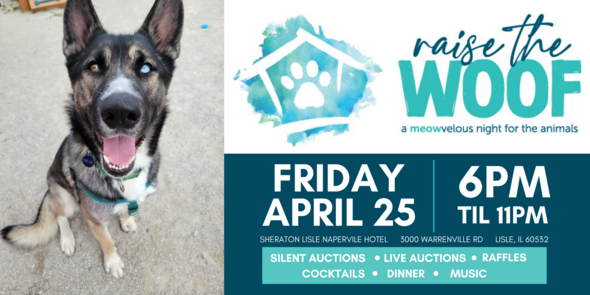 Get your tickets now!
The DuPage Animal Friends annual gala Raise the Woof is coming up! Join us on April 25 at 6pm at the Sheraton Lisle Naperville.
Enjoy appetizers, open bar, four-course dinner, entertainment, auctions, paddle raise & more!
Learn more and purchase tickets at https://dupageanimalfriends.ejoinme.org/dafgala2025
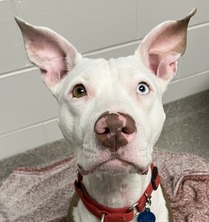
All Mango hopes to hear is the sound of a new family come to bring her home! This sweet ball of energy is looking for a place to land after being found outside this January. Let's turn her winter blues into spring sunshine with new friends to play with! Human friends that is, Mango doesn't want any other dogs to outshine her.
Are you ready to meet the fetch and cuddle queen of DCAS? Mango is waiting for you, and she's all ears! Click her picture to see her video profile and apply to adopt her today!
|
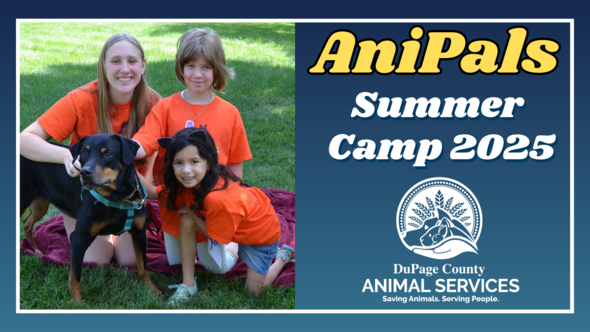 DCAS is pleased to announce the return of our popular AniPals Summer Camp for Ages 6-9.
Understand what it means to be a true friend to our pets. Uncover what we do at the Animal Shelter and learn how to safely interact with different kinds of pets through crafts, activities, games, and stories.
Save the Date!
3 sessions available
Meets: Mon–Thurs, 9:00am – 12:00pm
Cost: $225 / session
- June 23-26
- July 14-17
- August 4-7
Stay tuned for more details and registration information!

DCAS continues to partner with libraries throughout DuPage County to reach more members of our community. See the current list of programs offered and contact your local library to register.
Children/Teens
Adults
We hope to see you at a program soon!
|
|