  As we enter “spooky season,” you may hear some common superstitions and myths about animals. Black cats are unlucky, owls hooting at night predict death, coyotes are tricksters, etc. While seemingly harmless, superstitions and myths can negatively affect animals. Before we bust common pet myths, I’d like to present some disturbing truths. Based on data provided by the ASPCA:
- Approximately 6.3 million companion animals enter the US animal shelters nationwide every year
- Each year, approximately 920,000 shelter animals are euthanized (390,000 dogs and 530,000 cats)
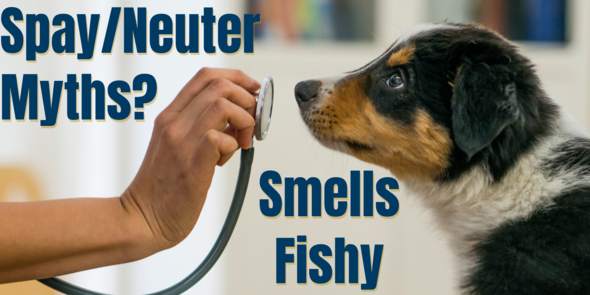
One way you can help prevent animals from becoming homeless and becoming a statistic is to spay/neuter (S/N) your pet. Spay/Neuter surgically renders your pet unable to have offspring. The reasons people don’t S/N their pet is often based on false information. Today, we would like to bust some myths.
Spay/Neuter will cause my pet to get fat.
As someone who spays/neuters animals almost daily, I can tell you that relinquished pets are already very overweight BEFORE surgery. Excess weight/fat usually is a result of eating too many treats, especially human food, and a lack of activity.
Spay/Neuter will change my dog’s or cat’s behavior.
This statement actually might be true, but not in the way it’s intended. S/N often is used to help improve negative behavior, such as urine marking, roaming, and mounting everything in sight. Your veterinarian might recommend S/N, sooner than later, before the negative behavior becomes a learned habit.
Spay/Neuter has many other possible health benefits, such as decreasing cancer and prostate problems in older dogs. Your veterinarian is an excellent resource to help guide you.
So enjoy your PSL’s, fall color, tricks, and/or treats. But remember the only thing spooky about a black cat is how adorable they are and the only frightening thing about a spay/neuter surgery is how many pets still need it.
 Dr. Barbara Hanek,
Veterinarian Administrator
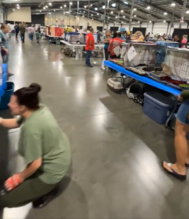
For Over 250 Adoptions!
On Saturday, September 28th, DCAS joined 16 other rescues and animal shelters from all over Chicagoland for the first Super Adoption Saturday. With 357 animals available for adoption: cats, dogs, guinea pigs, parakeets, and rabbits; the Chicagoland Humane Coalition hoped to pair as many pets with loving homes as possible. Shelters across the country are struggling with high populations and slow adoptions. The Coalition aimed to ease the burden by giving adopters easy access to information, support, and of course: animals seeking new homes!
Super Adoption Saturday took place at the Lake County Fairgrounds in the massive exhibition hall. The day was filled with the sounds of excited people and pets. DCAS dominated the small animal room off the lobby with 14 rabbits and 13 guinea pigs, adopting out 6 rabbits to new homes. 22 cats and kittens also left with new families, but sadly, our guinea pig population remains extremely high.
|
What is the Chicagoland Humane Coalition?
DCAS works with 18 other animal welfare organizations to ensure the best possible outcomes for pets and people by building upon common ground, focusing on pressing local issues, and supporting our communities. The Coalition shares strategies and resources with member organizations to uplift the animal welfare community with best practices. We partner on initiatives like Super Adoption Saturday, the Chicago Dog campaign, and first responder training to help solve real problems for real Chicagoland residents. The Chicagoland Humane Coalition is working to create a fully supported community for people and pets.
Learn more on their website.
|
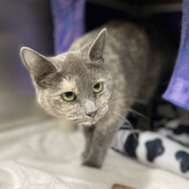
Scrabble has had a tough few weeks. Her owner became overwhelmed when a few cats became too many cats. Surrendered to a local animal control, Scrabble then came to DCAS. This sweetheart proves you can't tell a cat's personality by their coat colors! Tortoiseshell cats are plagued with the nasty myth that they're aggressive, stubborn, and sassy.
Can you spell U-N-F-A-I-R?
Scrabble is a model resident in our adoptable cat room. She enjoys gentle pets and quality quiet time. Are you ready to give her the peaceful life she deserves?
Fill out an adoption application to meet her today!
|
Dog Safety This Halloween
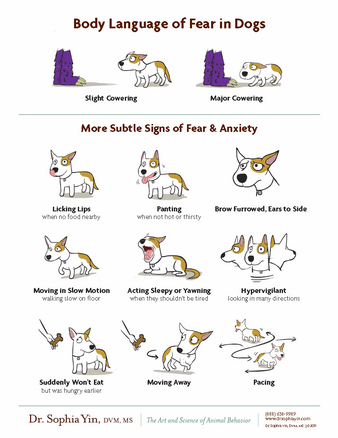
Beyond keeping tasty human treats out of doggie reach this year, let's look at ways to keep our canine friends safe this Halloween. Be mindful of your dog's stress level and their tolerance for the chaos.
Dog stress signals can be very subtle, it's up to us to pay attention and make sure our pup's Halloween is fun, not scary.
Trick or Treaters
Does your pup patrol the doorbell? Give your dog a quiet place to enjoy a long-lasting treat away from the front door. Then place a sign asking trick or treaters not to ring the bell or whatever will work for your house. If your pup is nearby, monitor the front door to make sure they don't make a run for it.
Remember: you may know your dog is friendly, but not everyone welcomes a fuzzy snoot in the face!
|
Costumes
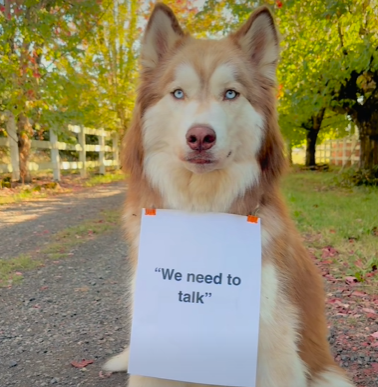
Not every dog will enjoy dress-up. Monitor your pet's body language when introducing anything new to make sure they are comfortable. Pair positive reinforcement (treats, toys, and safe cuddles) with costume pieces and go slowly. Don't be afraid to get creative. Click the photo of the scariest costume EVER (but not for the dog) to see the full video and think of your own unique costume.
If all else fails, let your dog go as the best costume ever - themselves!
|
|